That mysterious jelly on your lawn might be a resilient, nitrogen-fixing space traveler.
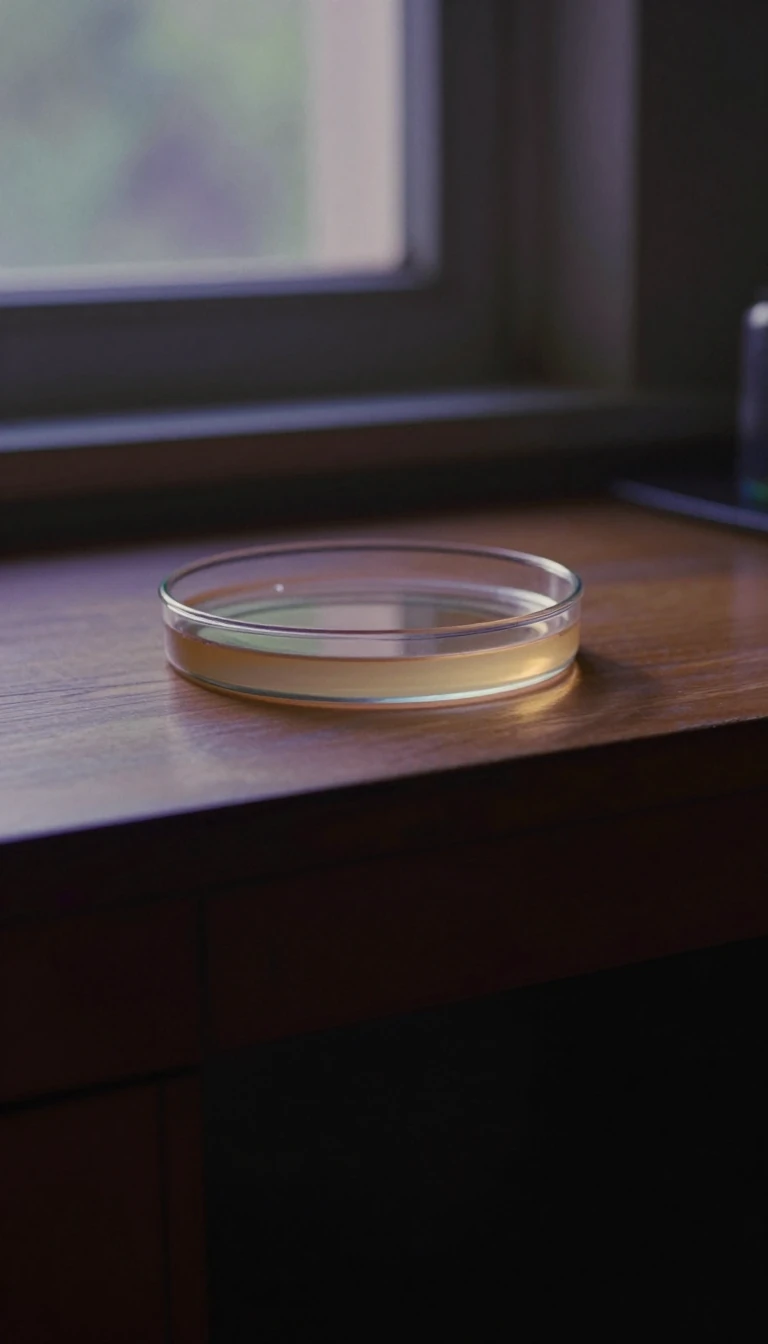
In short: Often mistaken for fallen stars or witch's butter, Nostoc is a genus of hardy cyanobacteria that swells into gelatinous masses after rain. Beyond its strange appearance, this organism is a nutritional powerhouse, a potential biofertilizer, and a candidate for future extraterrestrial agriculture due to its extreme environmental resilience.
Nostoc is a genus of Gram-negative cyanobacteria found globally in environments ranging from polar regions to deserts. Its name, coined by Paracelsus, draws a linguistic link to the German word for nostril, reflecting the resemblance of its colonies to nasal mucus. While often invisible when dry, these organisms absorb moisture after rainfall, expanding into conspicuous, jelly-like masses. This rapid transformation historically fueled myths that the substance had fallen from the sky, leading to folklore names like star jelly and troll's butter.
The secret to Nostoc's survival lies in its structure. Colonies are composed of filaments protected by an outer layer and inner matrix of polysaccharides. This gelatinous shield guards against UV radiation, desiccation, and extreme temperatures. Some species can even enter a quiescent stage, pausing their metabolism until conditions improve. This durability makes them pioneers in harsh landscapes; they colonize bare mineral surfaces, fixing nitrogen and creating stable environments that allow higher vegetation to take root. Researchers have even proposed using them to help establish plant life on newly exposed surfaces near retreating glaciers.
Beyond its ecological utility, Nostoc is a versatile resource. It has been consumed as food and medicine in Asia since the Eastern Jin Dynasty, valued for its protein, vitamin C, and essential amino acids. Modern science is investigating its potential for pharmaceutical applications, including antiviral and antitumor compounds, as well as its use in biofuel production. Because it thrives in diverse conditions and offers significant nutritional benefits, it is considered a strong candidate for sustaining agriculture in extraterrestrial environments.
While beneficial in nature, Nostoc can become a nuisance in human-managed spaces like plant nurseries, where it spreads through contaminated tools and foot traffic. Controlling it requires physical removal or methods like solarization. Despite its reputation as a garden pest, its ability to thrive in extreme conditions and support nitrogen cycling makes it a vital player in both natural ecosystems and potential future human frontiers.
Opens the Intellect+ feed with this card first. Swipe up for the next one.
Sources
- Summary by Intellect · source: Nostoc
- Also: iNaturalist — Star Jelly (Nostoc commune) · CC BY-SA 4.0 (Wikipedia summary)
To cite this card, link to https://intellectplus.co.uk/app/nature-nostoc.
How we source, check and correct cards: Editorial standards.
General information, not professional advice. Spotted an error? Flag the card or see corrections and complaints.
Intellect Plus is a visual educational discovery platform for exploring fascinating facts and ideas. Brain Food, Not Brain Rot. What is Intellect Plus?
Related
More in Organisms · More in Nature · Latest · A–Z · All topics
