How nomadic herding societies transformed arid landscapes into the foundation of great empires.
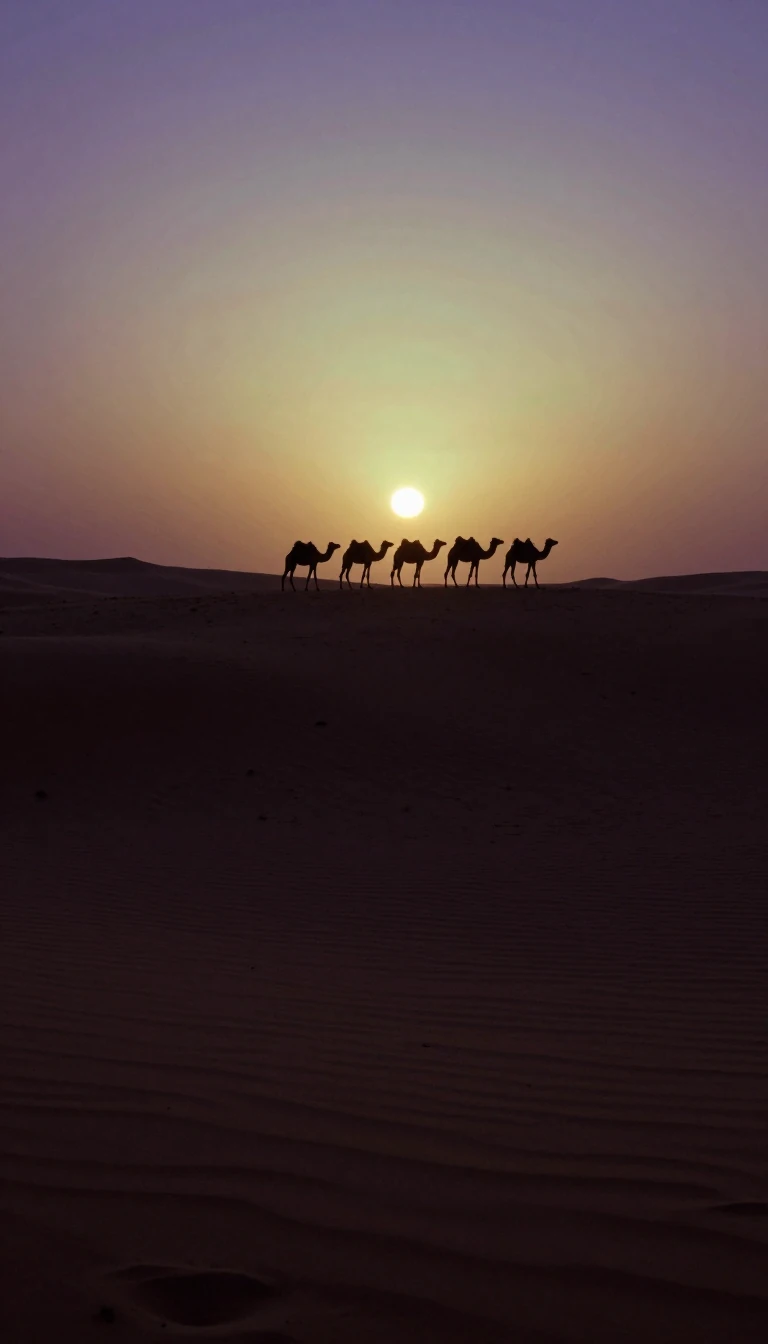
In short: Pastoralism is far more than simple animal husbandry. By mastering the art of mobility across marginal lands, pastoralists have historically leveraged their herds to build powerful chiefdoms and influence global trade. From the Central Asian steppes to African grasslands, this way of life remains a vital, complex human strategy.
Pastoralism is a specialized survival strategy centered on herding domesticated livestock, including cattle, camels, goats, sheep, yaks, and reindeer. Unlike sedentary agriculturalists, pastoralists typically occupy arid grasslands or marginal environments where crop cultivation is difficult or impossible. This lifestyle requires varying degrees of mobility, ranging from daily local movements to transhumance—the seasonal migration between different pastures—and full-scale nomadism. By following defined routes, these communities effectively manage resources and reduce the risk of overgrazing.
The origins of pastoralism remain a subject of academic debate. One theory suggests it evolved from mixed farming, where the rise of intensive irrigation agriculture pushed animal breeding into bordering, less fertile lands, eventually leading to specialization. An alternative perspective posits that pastoralism emerged from hunting and gathering, as mobile groups who already followed wild herds began to tame and domesticate them for better control. Regardless of its origin, pastoralism has historically provided significant military advantages; the mobility of mounted archers, for instance, underpinned the economic and political power of the great Central Asian empires.
Today, pastoralism is practiced by hundreds of millions of people across diverse regions, including the Andes, the Tibetan Plateau, and the Eurasian Steppes. While often associated with subsistence, pastoralists frequently participate in international trade, exchanging animal products like wool, milk, and meat for goods they cannot produce themselves. However, the lifestyle faces modern pressures. The hardening of political borders, the enclosure of common lands, and the expansion of crop farming have increasingly forced nomadic groups toward sedentary pastoralism. Furthermore, these communities are uniquely vulnerable to the impacts of global warming, which threatens the fragile ecosystems they have managed for centuries.
Opens the Intellect+ feed with this card first. Swipe up for the next one.
Sources
- Summary by Intellect · source: Pastoralism | society | Britannica
- Also: Pastoralism
To cite this card, link to https://intellectplus.co.uk/app/nature-pastoralism.
How we source, check and correct cards: Editorial standards.
General information, not professional advice. Spotted an error? Flag the card or see corrections and complaints.
Intellect Plus is a visual educational discovery platform for exploring fascinating facts and ideas. Brain Food, Not Brain Rot. What is Intellect Plus?
Related
More in Physical geography · More in Nature · Latest · A–Z · All topics
