Peridot is one of only two gemstones formed in the Earth's molten mantle
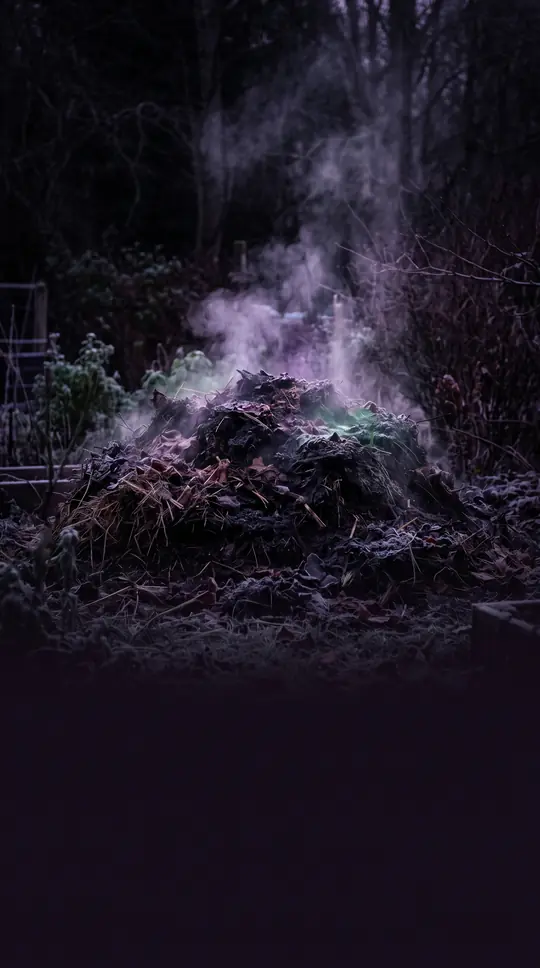
In short: Most gemstones originate within the Earth's crust, but peridot is a rare exception. Born in the intense heat of the upper mantle, this olive-green gem is often carried to the surface by volcanic activity. Its journey is so volatile that gem-quality specimens remain remarkably rare and chemically unstable.
Peridot is a magnesium-rich variety of the mineral olivine, specifically known as forsterite. Unlike most gems that crystallize in the crust, peridot forms deep within the mantle. It reaches the surface through volcanic basalt or as inclusions in peridotite xenoliths. Because it is susceptible to weathering and alteration during its ascent and exposure to the surface, finding large, high-quality crystals is uncommon, making the stone precious.
The gem is defined by its distinct olive-green hue, which is the only color it naturally occurs in. This color intensity is dictated by the concentration of iron within its orthorhombic crystal structure; higher iron levels lead to darker, more brownish-green tones, while lower concentrations result in lighter shades. Interestingly, peridot can also be found in pallasitic meteorites, though these extraterrestrial versions differ from earthbound stones by their lack of nickel.
Historically, peridot has been mined since at least 300 BCE on St. John's Island in the Red Sea. Today, the San Carlos Apache Indian Reservation in Arizona serves as a primary source. Because of its appearance, it has frequently been confused with emeralds and beryl throughout history, notably in European church treasures. Beyond its geological rarity, the stone has long been associated with superstitions, including the belief that it offers protective powers and enhances inner radiance.
The internal characteristics of peridot often reveal its origin. Volcanic peridots may contain primary negative crystals or gas bubbles, while those from specific regions like San Carlos often display 'lily pad' cleavages—circular discs surrounding negative crystals. These inclusions, alongside mineral deposits like chromite or biotite, provide a fingerprint of the geological conditions under which the crystal crystallized.
Opens the Intellect+ feed with this card first. Swipe up for the next one.
Sources
- Summary by Intellect · source: Peridot
To cite this card, link to https://intellectplus.co.uk/app/nature-peridot.
How we source, check and correct cards: Editorial standards.
General information, not professional advice. Spotted an error? Flag the card or see corrections and complaints.
Intellect Plus is a visual educational discovery platform for exploring fascinating facts and ideas. Brain Food, Not Brain Rot. What is Intellect Plus?
Related
More in Geology · More in Nature · Latest · A–Z · All topics
