The Punic people were a cultural powerhouse with almost no Levantine genetic ancestry
In short: Ancient DNA reveals a surprising truth about the Punic people, often called Carthaginians. Despite building Levantine-style cities and speaking a Levantine-derived language, they possessed almost no Levantine genetic markers. Instead, these master seafarers were a diverse mix of Mediterranean populations, proving that identity is far more than just bloodline.
The Punic people, who dominated the western Mediterranean from the sixth to the second century BC, are traditionally linked to the Phoenicians of the Levant. However, recent genetic analysis of 210 individuals from 14 Punic settlements across North Africa, Iberia, Sicily, Sardinia, and Ibiza tells a different story. These populations, despite maintaining Levantine customs, architecture, and language, show almost no trace of Levantine ancestry. Their genetic profiles align most closely with the prehistoric inhabitants of Sicily and the Aegean.
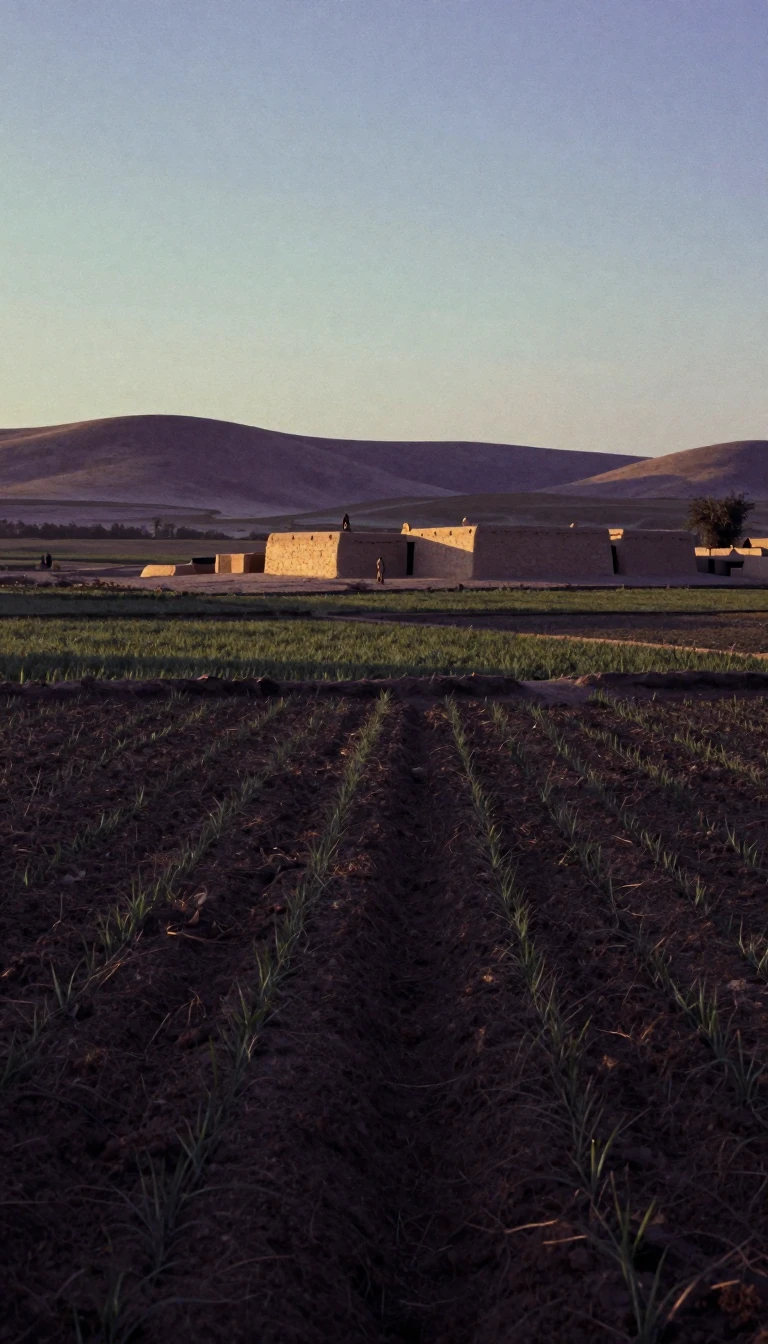
This disconnect between culture and genetics suggests a complex process of assimilation. Archaeologist Peter van Dommelen notes that Punic settlements were more tightly connected to one another via maritime routes than to their immediate neighbors in the hinterlands. As these colonies expanded, they likely integrated local populations who adopted Punic traditions—such as building rectangular adobe houses and using specific pottery styles—without sharing the original colonizers' DNA. By 400 BC, some Punic individuals even displayed increased North African genetic contributions, reflecting the growing regional influence of Carthage.
The mystery of when this genetic shift occurred remains, largely because funerary practices changed in the sixth century BC. Before this, cremation was standard, leaving behind no DNA for modern study. The transition to burial allows researchers to examine the remains, but the exact moment the Levantine genetic fingerprint vanished is still debated. Whether the original settlers married into local populations or were never purely Levantine to begin with, the Punic case serves as a powerful reminder that human history is defined by the constant movement, mixing, and reinvention of identities.
Opens the Intellect+ feed with this card first. Swipe up for the next one.
Sources
- Summary by Intellect · source: Punic people were genetically diverse with almost no Levantine ancestors - Nature
- Also: Ancient Mediterranean DNA confirms old truths: People contain multitudes
- Also: Punic people
To cite this card, link to https://intellectplus.co.uk/app/nature-punic-people.
How we source, check and correct cards: Editorial standards.
General information, not professional advice. Spotted an error? Flag the card or see corrections and complaints.
Intellect Plus is a visual educational discovery platform for exploring fascinating facts and ideas. Brain Food, Not Brain Rot. What is Intellect Plus?
Related
More in Organisms · More in Nature · Latest · A–Z · All topics
