The red-tailed hawk is a master of adaptation, thriving from Alaskan forests to urban centers.
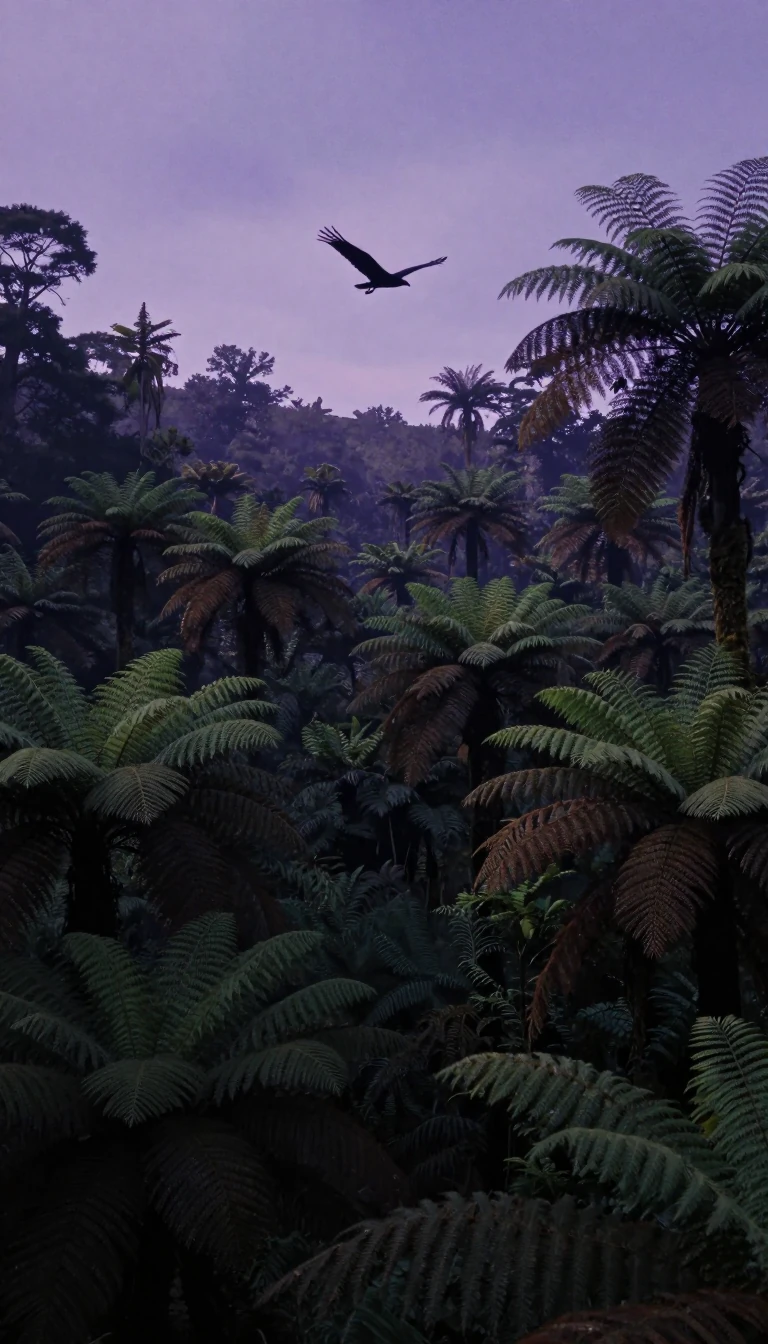
In short: Widely distributed across North America, the red-tailed hawk is a resilient raptor that has successfully integrated into human-altered landscapes. While often mislabeled as a chicken-thief, this bird is a specialized hunter that plays a vital role in controlling rodent populations, even nesting in the heart of crowded cities.
The red-tailed hawk, scientifically known as Buteo jamaicensis, is a robust bird of prey that occupies a staggering variety of environments. From the deserts of the American Southwest to the dense forests of Canada and the urban canyons of New York City, this species is second only to the peregrine falcon in its habitat diversity. Its success is partly due to its ability to exploit human-modified landscapes; the clearing of forests for agriculture and the addition of utility poles along highways have provided the hawk with ample hunting perches and nesting sites.
Physically, the species is marked by significant sexual dimorphism, with females being up to 25% heavier than males. While historical reports often overestimated their mass, modern studies suggest average weights of approximately 837 grams for males and 1,040 grams for females. Their hunting strategy is equally versatile, relying on either patient observation from high perches or active aerial pursuit. Though they primarily consume rodents—which can make up 85% of their diet—they are opportunistic predators capable of taking down prey as large as jackrabbits or rattlesnakes.
The life cycle of the red-tailed hawk is defined by long-term monogamy, with pairs often remaining together until one dies. They are fierce defenders of their territory, frequently engaging in dramatic courtship flights that involve steep dives and talon-grasping. Despite their dominance, they face competition from the great horned owl, which occupies a similar ecological niche and will occasionally usurp their nests. Furthermore, urban hawks face unique risks, such as secondary poisoning from rodenticides used to control city pests. Despite these challenges, the species remains one of the most common and recognizable raptors in the Americas.
Opens the Intellect+ feed with this card first. Swipe up for the next one.
Sources
- Summary by Intellect · source: Red-tailed hawk
- Also: iNaturalist — Red-tailed Hawk (Buteo jamaicensis) · CC BY-SA 4.0 (Wikipedia summary)
To cite this card, link to https://intellectplus.co.uk/app/nature-red-tailed-hawk.
How we source, check and correct cards: Editorial standards.
General information, not professional advice. Spotted an error? Flag the card or see corrections and complaints.
Intellect Plus is a visual educational discovery platform for exploring fascinating facts and ideas. Brain Food, Not Brain Rot. What is Intellect Plus?
Related
More in Organisms · More in Nature · Latest · A–Z · All topics
