Why the earliest human settlements were established long before the invention of agriculture
In short: We often assume farming forced humans to settle down, but archaeology tells a different story. Long before the first crops were sown, hunter-gatherers were building permanent villages. These early sedentary societies thrived by mastering local ecosystems, proving that staying in one place was a choice, not just a necessity.
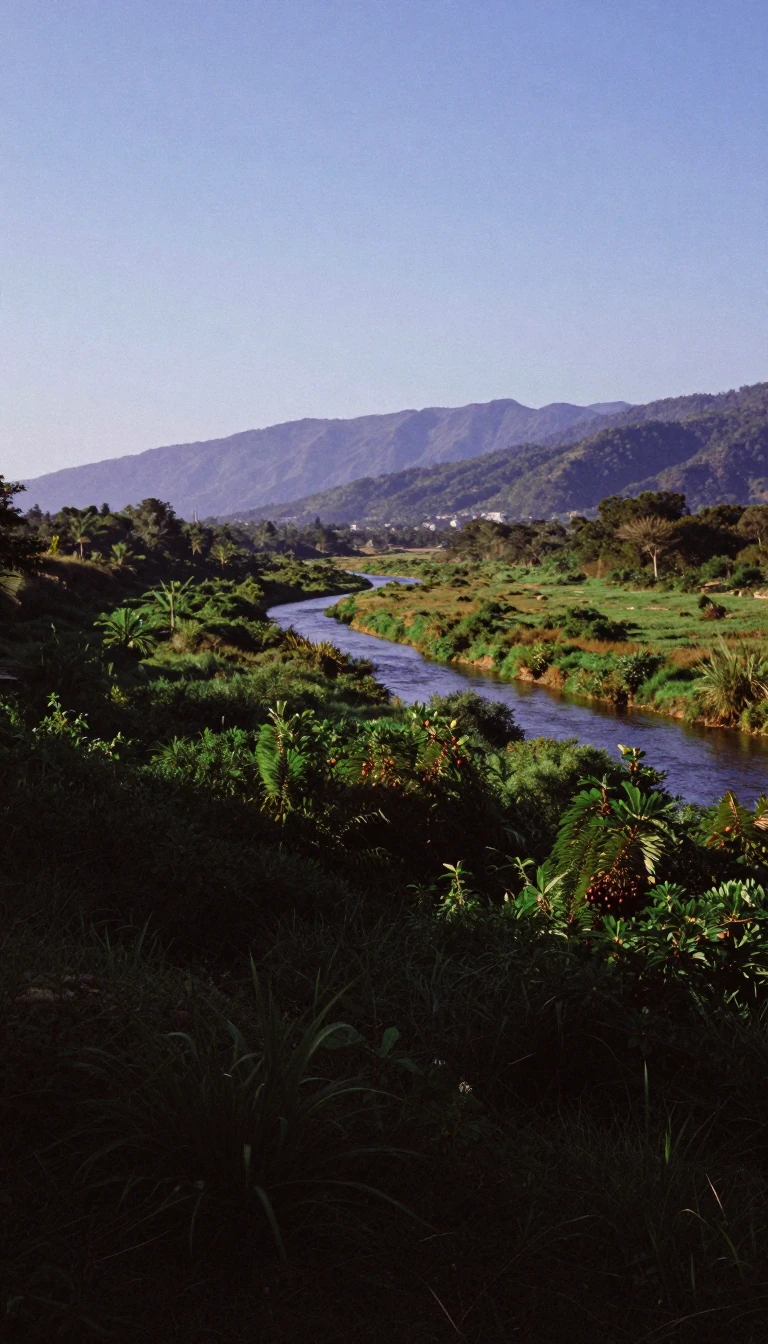
The transition to sedentism—the practice of living in one place permanently—is a defining shift in human history. While agriculture eventually incentivized permanent settlement, it was not the original catalyst. Archaeological evidence shows that the earliest sedentary sites emerged during the Upper Paleolithic in Moravia and the East European Plain between 25000 and 17000 BC. These groups thrived by settling at the intersection of major ecosystems, such as river confluences or coastal lagoons, where diverse resources were available year-round.
To survive without farming, these early societies developed sophisticated food preservation technologies, including smoking, drying, and fermentation, alongside specialized storage containers. Archaeologists identify these sites by analyzing animal remains; for instance, the cementum layers in mammal teeth reveal the season of death. If animals were hunted year-round, it indicates a permanent human presence. The Natufian culture in the Levant, sedentary from around 12000 BC, maintained this lifestyle for over two millennia before adopting plant cultivation around 10000 BC.
The shift to sedentism was gradual and often coexisted with nomadic traditions for thousands of years. In northern Sweden, for example, less than 10 percent of sites were sedentary around 4000 BC. This lifestyle eventually facilitated population growth and complex trade networks, but it also introduced a lasting mental bias. As Deleuze and Guattari noted, history is frequently written from a sedentary perspective, often overlooking the nomadic experiences that shaped human development for most of our existence.
In modern times, the nature of sedentism has shifted from a voluntary choice to a state-imposed mandate. Forced sedentarization has been used by governments throughout the 20th century to restrict the movement of nomadic groups, from the Bedouin in the Middle East to Indigenous peoples in Siberia. These policies have often resulted in severe social and psychological disruption, highlighting the profound tension between state-controlled stability and the traditional mobility of nomadic cultures.
Opens the Intellect+ feed with this card first. Swipe up for the next one.
Sources
- Summary by Intellect · source: Sedentism
To cite this card, link to https://intellectplus.co.uk/app/nature-sedentism.
How we source, check and correct cards: Editorial standards.
General information, not professional advice. Spotted an error? Flag the card or see corrections and complaints.
Intellect Plus is a visual educational discovery platform for exploring fascinating facts and ideas. Brain Food, Not Brain Rot. What is Intellect Plus?
Related
More in UK & Ireland: nature · More in Nature · Latest · A–Z · All topics
