Why the world's second-longest nonpolar glacier is a site of intense geopolitical conflict
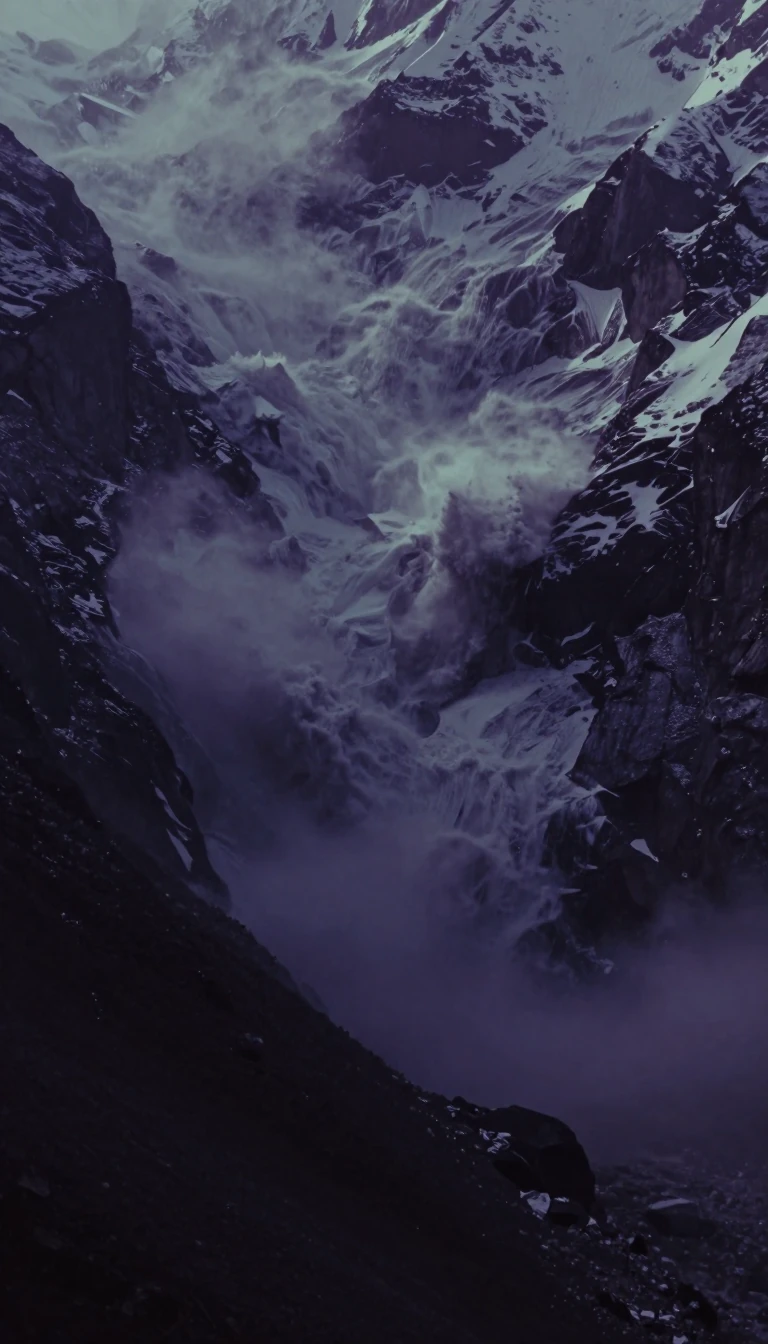
In short: The Siachen Glacier, a 75-kilometer-long ice giant in the Karakoram range, is more than a natural wonder. It is the center of a long-standing territorial dispute between India and Pakistan, where soldiers face extreme conditions that have claimed more lives than combat in this remote, high-altitude landscape.
Located in the Karakoram-Himalayan region, the Siachen Glacier originates at the base of the Indira Col. Stretching 75 kilometers, it ranks as the second-longest nonpolar glacier globally. The glacier is situated in a complex mountain system where the borders of Tajikistan, China, Pakistan, Afghanistan, and India converge, imbuing the area with significant geopolitical weight. The name Siachen is derived from the Balti language, where 'Sia' refers to a local rose plant and 'chen' denotes abundance, collectively describing a land of abundant roses.
The region is defined by extreme climatic conditions, including rarefied air, intense solar radiation, and temperatures that can plummet to -50 °C. At elevations above 16,000 feet, precipitation falls exclusively as snow, and the landscape is marked by 'snow penitents'—ablated hummocks that can reach heights of one meter. Despite these harsh conditions, the glacier is not merely a static feature; it is part of a dynamic system where tributary glaciers feed into the main body, and moraines—dark lines of debris—trace the glacier's southward movement.
While most glaciers worldwide are retreating, the Karakoram region exhibits the 'Karakoram anomaly,' a phenomenon where glacier volumes have slightly expanded in recent decades. Scientists are still working to fully explain this trend. Meanwhile, the region remains a site of military presence. Since 1984, India has maintained control over the glacier and its tributaries. The human cost of this strategic occupation has been high, with hundreds of personnel lost to the environment—avalanches and extreme weather—rather than direct conflict. The area remains largely uninhabited, save for these military outposts, serving as a stark reminder of how geography can dictate the terms of human history.
Opens the Intellect+ feed with this card first. Swipe up for the next one.
Sources
- Summary by Intellect · source: Siachen Glacier | Size, Map, Location, Temperature, War, & Elevation | Britannica
- Also: Siachen Glacier - NASA Science
- Also: Siachen Glacier
To cite this card, link to https://intellectplus.co.uk/app/nature-siachen-glacier.
How we source, check and correct cards: Editorial standards.
General information, not professional advice. Spotted an error? Flag the card or see corrections and complaints.
Intellect Plus is a visual educational discovery platform for exploring fascinating facts and ideas. Brain Food, Not Brain Rot. What is Intellect Plus?
Related
More in Physical geography · More in Nature · Latest · A–Z · All topics
