The Earth is currently in the middle of a massive, slow-motion puzzle rearrangement
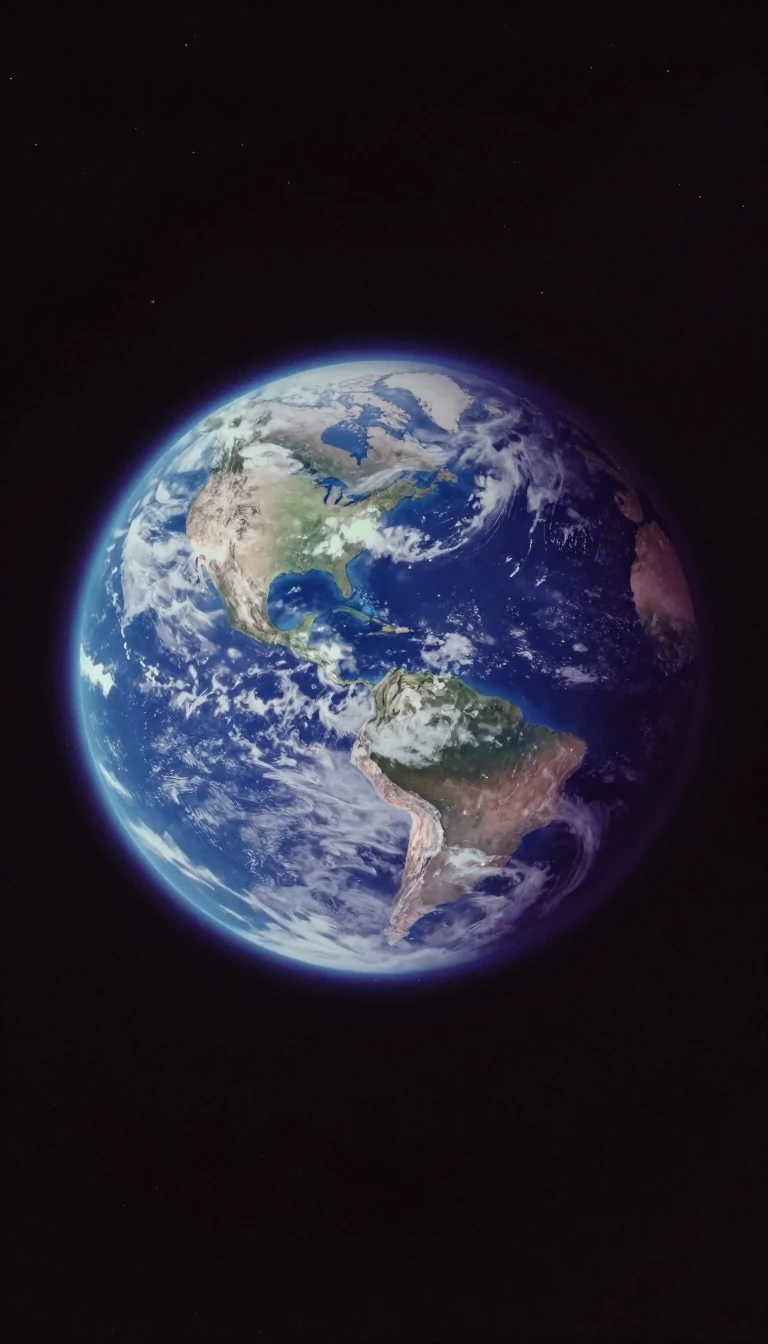
In short: We often think of continents as permanent fixtures, but they are actually part of a restless cycle. From the ancient assembly of Pangaea to the predicted formation of future landmasses, Earth’s surface is constantly breaking apart and colliding to create massive, singular supercontinents.
The concept of a supercontinent is defined by scale and stability. While definitions vary, some geologists argue a landmass must encompass roughly 75 percent of Earth's continental crust to qualify. Today, no true supercontinent exists; our largest grouping, the Afro-Eurasian landmass, covers only about 57 percent of the world's land. Instead, we are living through a period of dispersal following the breakup of Pangaea, which began roughly 215 million years ago.
This process is part of a recurring 'supercontinent cycle.' The history of these massive assemblies stretches back billions of years. Some researchers point to Vaalbara, which may have formed about 3.5 billion years ago, or Kenorland, which emerged around 2.7 billion years ago. Later, the supercontinent Rodinia existed between 1.2 billion and 750 million years ago. These cycles are driven by plate tectonics, though some models suggest that much earlier, 'lid tectonics'—similar to what occurs on Mars—might have governed the planet's crust.
The future of Earth's geography is just as dramatic as its past. Geologists have proposed several scenarios for the next great assembly. In the 1980s, Christopher Scotese envisioned 'Pangaea Proxima,' a landmass formed by the closing of the Atlantic and Indian oceans. Other models, like 'Amasia,' suggest the Arctic Ocean could close, pulling continents toward the North Pole. Whether it is the equatorial 'Aurica' or the Pacific-driven 'Novapangea,' the geological record suggests that the continents we know today will eventually merge once again.
Opens the Intellect+ feed with this card first. Swipe up for the next one.
Sources
- Summary by Intellect · source: Supercontinent | Definition, Cycle, & Facts | Britannica
- Also: Supercontinent
To cite this card, link to https://intellectplus.co.uk/app/nature-supercontinent.
How we source, check and correct cards: Editorial standards.
General information, not professional advice. Spotted an error? Flag the card or see corrections and complaints.
Intellect Plus is a visual educational discovery platform for exploring fascinating facts and ideas. Brain Food, Not Brain Rot. What is Intellect Plus?
Related
More in Physical geography · More in Nature · Latest · A–Z · All topics
