The University of Melbourne: A Historic Institution Navigating Modern Tensions and Structural Change
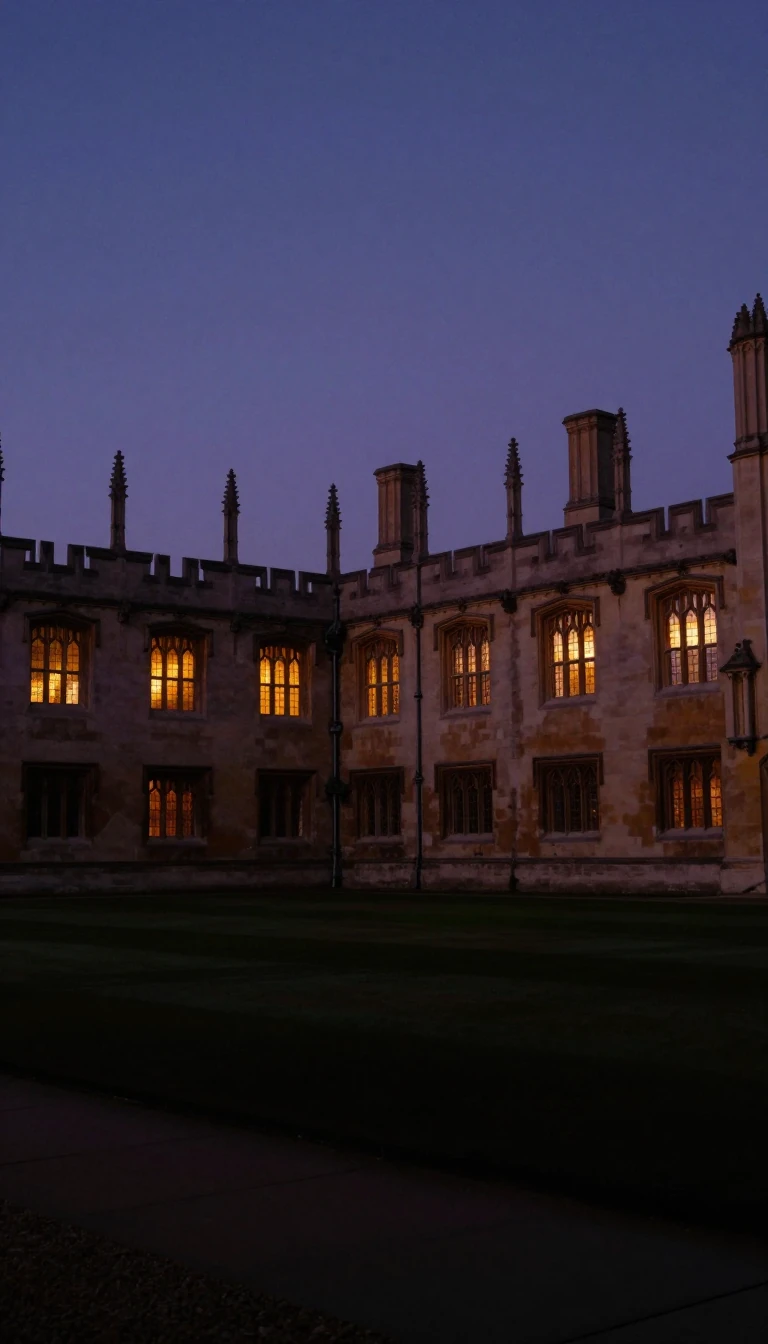
In short: Founded in 1853, the University of Melbourne has evolved from a small colonial college into a global research powerhouse. Yet, its journey is marked by intense internal debates over curriculum, financial management, and the rights of its increasingly casualized workforce, reflecting the complex pressures facing modern higher education institutions today.
Established by the Parliament of Victoria in 1853, the University of Melbourne was designed as a civilizing influence during the state's gold rush era. It began with just three professors and sixteen students. Over the following century, it grew into a member of the prestigious Group of Eight, producing ten Nobel laureates and numerous national leaders. Its main campus in Parkville serves as the heart of a sprawling network of sites across Victoria, ranging from specialized agricultural facilities in Dookie to the performing arts hub in Southbank.
The university's modern identity was significantly reshaped in 2008 by the introduction of the Melbourne Model. This controversial restructuring replaced traditional specialist degrees with a two-tier system of generalist undergraduate degrees followed by professional or research-focused graduate studies. While intended to align with North American academic structures, the move faced criticism from students and staff who feared a decline in academic rigor and job security. This period of change coincided with a broader trend of administrative consolidation and aggressive capital investment, including a $2 billion infrastructure program initiated in the decade leading up to 2018.
Recent years have seen the institution grapple with significant workforce and social challenges. The university has faced scrutiny over wage theft and the systemic underpayment of casual staff, leading to a $9.5 million repayment scheme and widespread industrial action. By 2023, reports indicated that a substantial portion of the university's 11,000-strong workforce—between 47 and 72 percent—were employed on casual contracts. Simultaneously, the campus has become a focal point for political activism, with recent student-led protests over investment ties sparking debates about privacy, freedom of speech, and the university's role in global humanitarian crises.
Despite these tensions, the university continues to expand its physical and academic footprint. Planning is underway for a new engineering-focused campus at Fishermans Bend, slated for 2026. As the institution prepares for a leadership transition under its first female Vice-Chancellor, Emma Johnston, it remains a site of architectural heritage and intense intellectual debate, balancing its historical legacy with the demands of a rapidly changing, globalized educational landscape.
Opens the Intellect+ feed with this card first. Swipe up for the next one.
Sources
- Summary by Intellect · source: University of Melbourne
To cite this card, link to https://intellectplus.co.uk/app/nature-university-of-melbourne.
How we source, check and correct cards: Editorial standards.
General information, not professional advice. Spotted an error? Flag the card or see corrections and complaints.
Intellect Plus is a visual educational discovery platform for exploring fascinating facts and ideas. Brain Food, Not Brain Rot. What is Intellect Plus?
Related
More in Physical geography · More in Nature · Latest · A–Z · All topics
