Is whale meat a cultural delicacy, a survival necessity, or a toxic health risk?
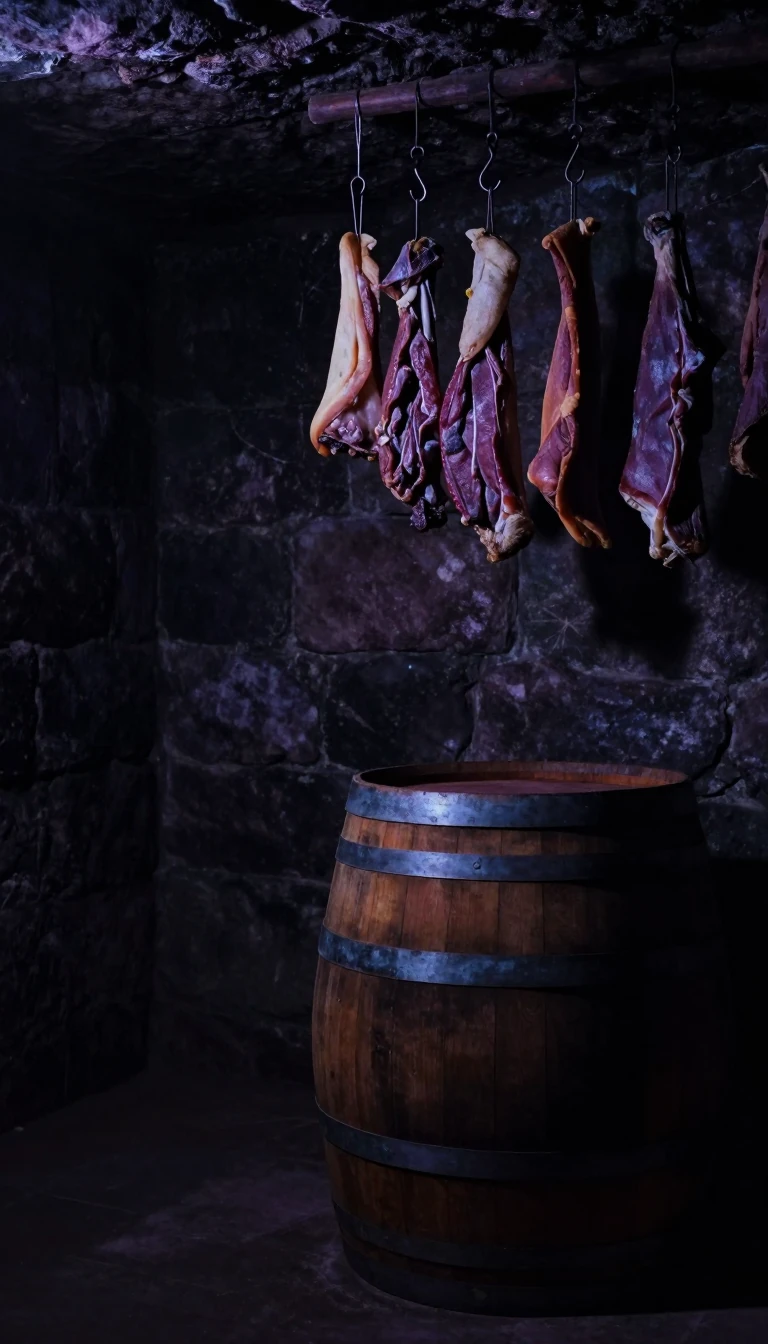
In short: Once a staple across Europe and colonial America, whale meat has shifted from a common protein to a polarizing, niche product. While some indigenous communities view it as essential for cultural survival, modern science warns of severe toxicity, and global demand remains low, leaving the industry in a complex, opaque state.
Historically, whale meat was far more than a regional curiosity. In the Middle Ages, European Catholic practice classified whales as fish, allowing the meat to be consumed during Lenten fasts. As local whale stocks collapsed from overexploitation, European whalers expanded their reach to the New World. By the 20th century, however, consumption had plummeted in the West. During World War II, the British government attempted to promote 'whacon'—a corned whale meat—as an unrationed alternative to beef, but it failed to gain popularity due to its bland taste and unpleasant cooking odor.
Today, the trade is largely concentrated in Japan, Norway, and Iceland, alongside subsistence hunting by indigenous groups like the Inuit and the Makah. In Japan, the market is highly stratified; while belly meat is common, the prized tail meat, or onomi, is considered a delicacy. Yet, the industry faces significant scrutiny. Research has consistently identified high levels of mercury and other toxins in whale products. A study by Hokkaido University researchers found that liver samples sold in Japan contained mercury levels 900 times the government's limit, noting that a single ingestion could potentially cause acute intoxication.
Public health concerns have also emerged in the Faroe Islands, where pilot whale meat is a traditional food. In 2008, local health officials recommended against consuming pilot whale meat due to its high concentration of mercury and PCBs, which have been linked to neurological issues in children and a high rate of Parkinson's disease among islanders. Despite these warnings and a 2005 poll indicating that 95% of Japanese people rarely or never eat whale meat, the practice persists. The trade remains shrouded in controversy, with activists alleging that illegal meat—including endangered species—is frequently smuggled into the market, while commercial interests continue to navigate shifting regulations and declining public interest.
Opens the Intellect+ feed with this card first. Swipe up for the next one.
Sources
- Summary by Intellect · source: Whale meat
To cite this card, link to https://intellectplus.co.uk/app/nature-whale-meat.
How we source, check and correct cards: Editorial standards.
General information, not professional advice. Spotted an error? Flag the card or see corrections and complaints.
Intellect Plus is a visual educational discovery platform for exploring fascinating facts and ideas. Brain Food, Not Brain Rot. What is Intellect Plus?
Related
More in Physical geography · More in Nature · Latest · A–Z · All topics
