Octopus blood is blue because it carries copper, not iron
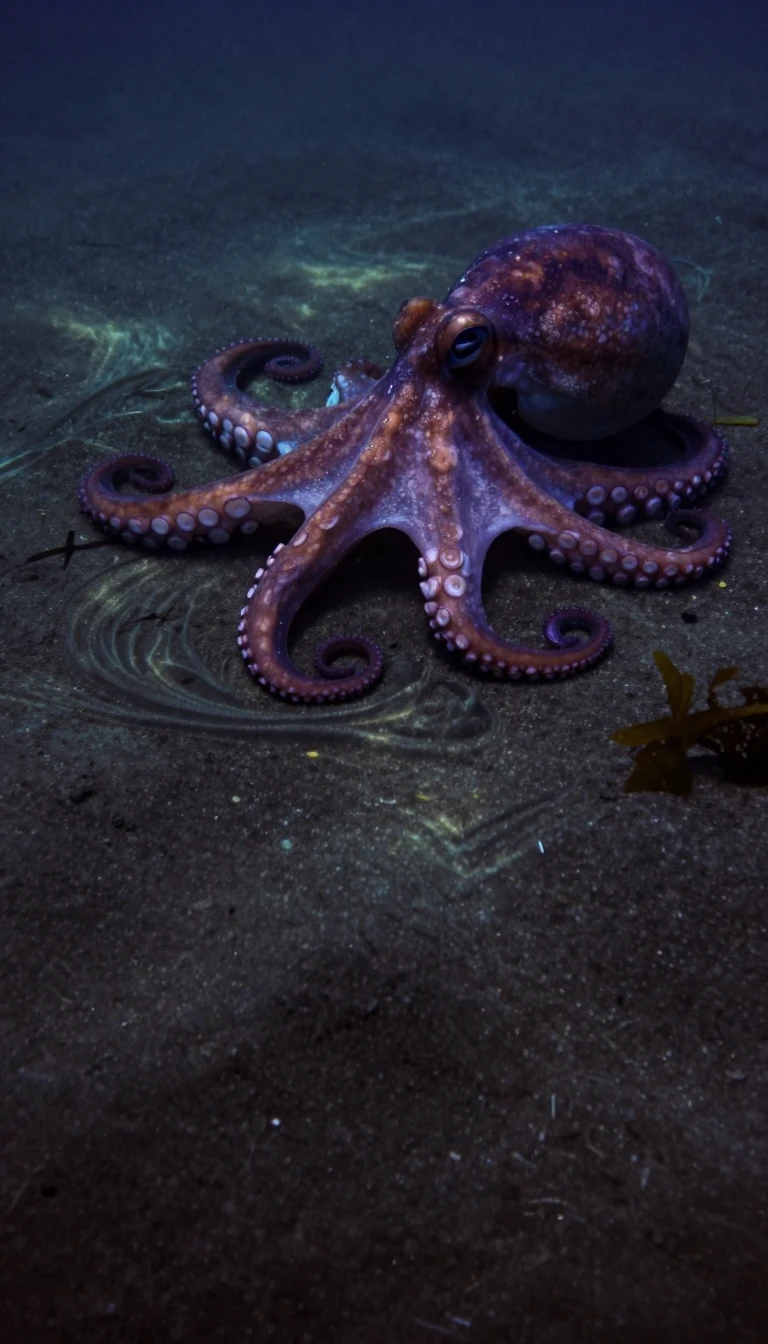
In short: Most animals with red blood rely on iron, but many octopuses use copper instead. The result is a blue tint that the sources do not describe in detail, so this card cannot answer the question fully. Instead, it covers the blue-ringed octopus and the venom its species carry.
The sources in this pack are about blue-ringed octopuses and their venom, not about how octopus blood gets its colour. The sources do not state that octopus blood is blue or explain why. Any answer about copper-based blood would come from outside this pack and cannot be confirmed here.
What the sources do describe is tetrodotoxin, a powerful neurotoxin found in the blue-lined octopus Hapalochlaena fasciata. Its saliva contains the toxin, and the toxin is produced in posterior salivary glands with the help of symbiotic bacteria. The blue-lined octopus uses the venom to paralyse crabs and small fishes, pierce their shells and eat the softer parts. Researchers found the toxin in several body parts, with the salivary glands showing the highest concentration.
The sources also explain that males use venom during mating. A study reports that males bite the female's aorta to inject the toxin at the start of copulation, which immobilises the female and allows mating. Males have salivary glands about three times heavier than females, and females are roughly twice the size of males. The sources report that male venom use is a survival strategy in this setting.
The sources stress caution around these animals. Several fatalities have been linked to blue-ringed octopuses, and a non-fatal bite was recorded on the Korean coast in 2015. Researchers also documented two green sea turtles that died after swallowing blue-lined octopuses in Moreton Bay, Australia. Handling these animals is advised against.
Opens the Intellect+ feed with this card first. Swipe up for the next one.
Sources
- Summary by Intellect · source: Greater Blue-ringed Octopus | Online Learning Center | Aquarium of the Pacific
- Also: Blue Lined Octopus Mating Explained: Why Males Inject Venom During Sex | OctoNation
- Also: Tetrodotoxin and the Geographic Distribution of the Blue-Lined Octopus Hapalochlaena fasciata on the Korean Coast
- Also: Death in the octopus’ garden: fatal blue-lined octopus envenomations of adult green sea turtles
- Also: Death in the octopus’ garden: fatal blue-lined octopus envenomations of adult green sea turtles | Marine Biology | Springer Nature Link
- Also: Blue-lined octopus Hapalochlaena fasciata males envenomate females to facilitate copulation
To cite this card, link to https://intellectplus.co.uk/app/nature-why-is-octopus-blood-blue.
How we source, check and correct cards: Editorial standards.
General information, not professional advice. Spotted an error? Flag the card or see corrections and complaints.
Intellect Plus is a visual educational discovery platform for exploring fascinating facts and ideas. Brain Food, Not Brain Rot. What is Intellect Plus?
Related
More in Nature · Latest · A–Z · All topics
