The 1960 Valdivia earthquake remains the most powerful seismic event ever recorded on Earth.
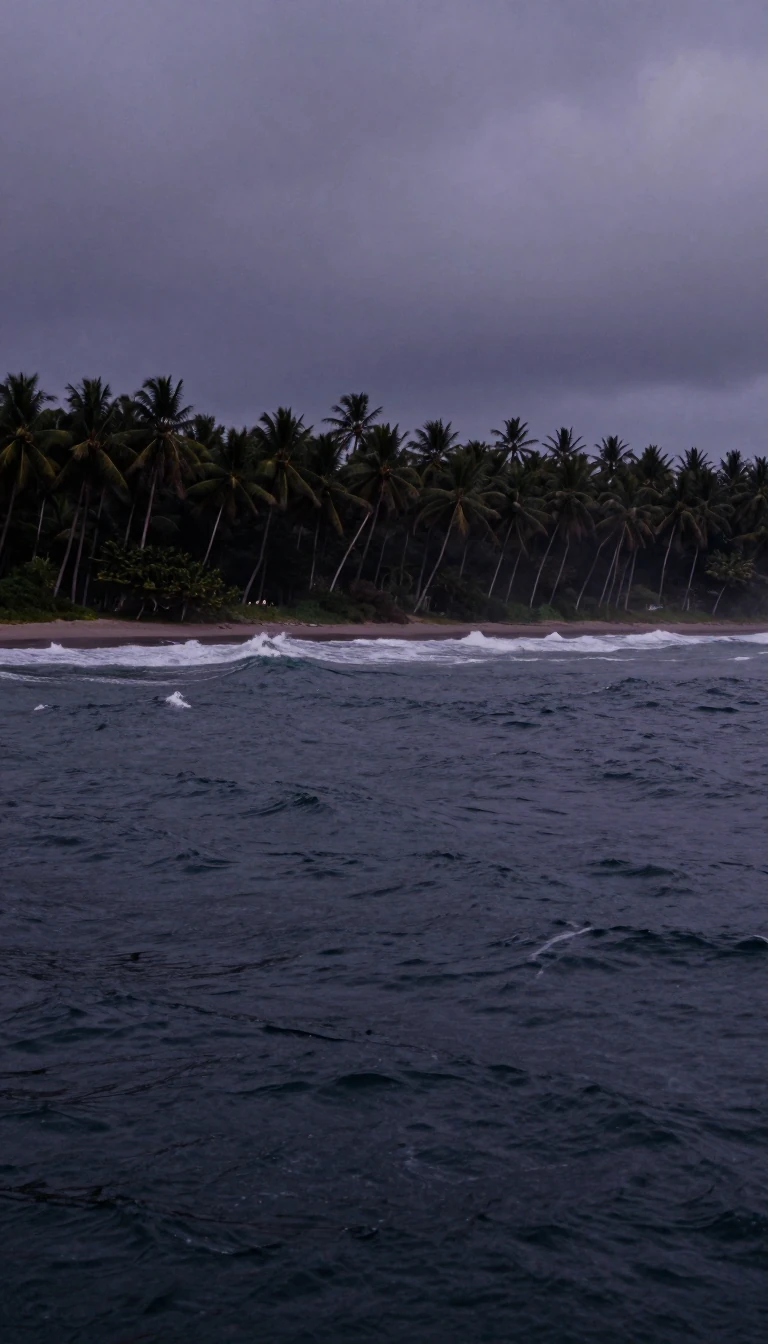
In short: On May 22, 1960, a massive megathrust earthquake struck Chile, lasting ten minutes and triggering tsunamis that spanned the Pacific. With a magnitude estimated between 9.4 and 9.6, it stands as the strongest tremor in history, fundamentally reshaping the landscape and challenging our understanding of tectonic energy budgets.
The Valdivia earthquake occurred at 15:11 local time on May 22, 1960, as a result of mechanical stress release between the Nazca and South American plates. Originating at a relatively shallow depth of 33 km, the rupture zone stretched approximately 800 km from Arauco to the Chiloé Archipelago. While the event is widely accepted as a megathrust earthquake, some researchers suggest it may have involved a complex combination of a main thrust sub-event and a strike-slip sub-event, potentially explaining how the tectonic boundary seemingly exceeded its expected slip capacity.
The disaster was compounded by a sequence of foreshocks and a devastating tsunami. Coastal areas in Chile saw waves reaching up to 25 metres, while the tsunami traveled across the Pacific to strike Hilo, Hawaii, with 10.7-metre waves. The event caused widespread soil subsidence, which destroyed infrastructure and created new wetlands, while landslides blocked the outflow of Riñihue Lake. This created a secondary threat: a massive earthen dam that required an emergency engineering effort to prevent a catastrophic flood of the San Pedro River.
Human impacts were severe but mitigated by low population density and specific building practices. Estimates of the death toll range from 1,000 to 6,000, with monetary losses reaching up to US$800 million at the time. In Valdivia, roughly 40 percent of houses were destroyed, and the city's water and electricity systems were completely incapacitated. Two days after the main shock, the Cordón Caulle volcano erupted, though the event received little attention due to the ongoing crisis. As of today, the 1960 earthquake remains a primary case study for geophysicists studying subduction zones and the limits of tectonic stress.
Opens the Intellect+ feed with this card first. Swipe up for the next one.
Sources
- Summary by Intellect · source: 1960 Valdivia earthquake
- Also: 1960 Valdivia earthquake
- Also: www.britannica.com — Chile earthquake of 1960 | Causes, Effects, & Facts | Britannica
To cite this card, link to https://intellectplus.co.uk/app/places-1960-valdivia-earthquake.
How we source, check and correct cards: Editorial standards.
General information, not professional advice. Spotted an error? Flag the card or see corrections and complaints.
Intellect Plus is a visual educational discovery platform for exploring fascinating facts and ideas. Brain Food, Not Brain Rot. What is Intellect Plus?
Related
More in Cities · More in Countries & Cities · Latest · A–Z · All topics
