The 102-mile path of a tornado that defied human engineering
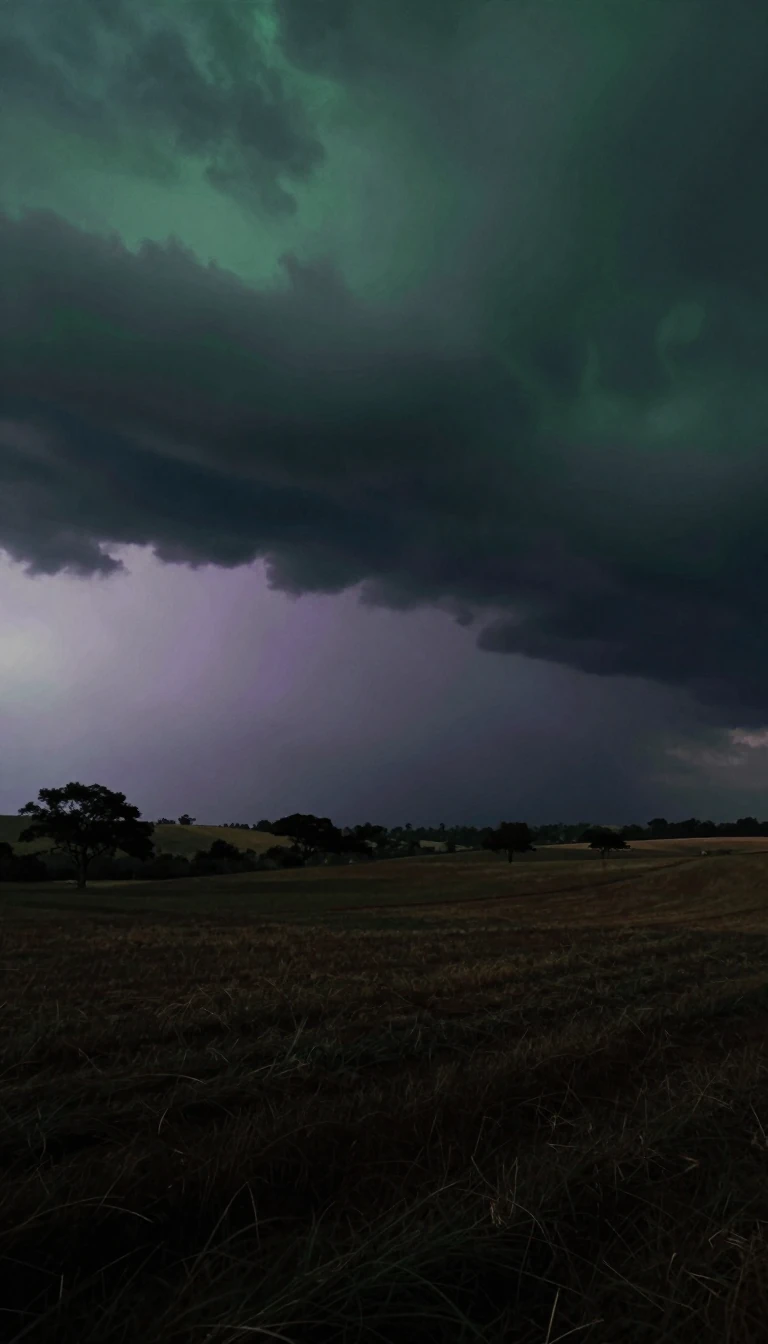
In short: In 2011, a tornado in Alabama became a masterclass in destructive physics. It didn't just flatten buildings; it sheared off concrete stem walls, tossed cars 200 yards, and stripped bark from trees. To understand its power, we have to look at the extreme atmospheric mechanics that fueled its 210 mph peak winds.
The Hackleburg–Phil Campbell tornado was a primary actor in the 2011 Super Outbreak, the largest tornado outbreak in U.S. history. On April 27, 2011, a unique atmospheric 'perfect storm' occurred: a 995 mbar surface low over Kentucky intersected with a deep, negatively tilted trough over Arkansas and Louisiana. This created an ageostrophic flow where a strong southwesterly surface jet hit the system at a 60° angle. The result was extreme wind shear and storm-relative helicity values exceeding 500 m2s−2, providing the raw energy for supercells to rotate violently. The tornado's path was a study in escalating intensity. It touched down at 3:05 p.m. CDT in Marion County, initially as an EF1, before rapidly intensifying to EF5 as it struck Hackleburg. The sheer force was enough to destroy 75% of the town, tossing cars 200 yards and even dropping jeans from a Wrangler Jeans plant 40 miles away in Courtland.
In Phil Campbell, the storm was so powerful it scoured a 25-foot section of pavement from a road and reduced three churches to bare slabs. What makes this event a benchmark for meteorologists is the 'high-end' destruction that persisted over 102 miles. It maintained EF5 intensity for much of its journey, sweeping away well-built homes bolted to their foundations and destroying structures in Oak Grove and Mount Hope. The storm was so massive it reached a maximum width of 1.25 miles and stayed on the ground for nearly two hours. It eventually forced the shutdown of the Browns Ferry Nuclear Power Plant by toppling high-voltage power lines, demonstrating how localized weather can impact regional infrastructure.
The tornado killed 71 people across five counties, making it the deadliest single tornado to strike Alabama in recorded history. While the Joplin EF5 tornado a month later killed more people (158), the Hackleburg–Phil Campbell event remains a primary example of how extreme wind-rowing and the destruction of anchored structures define the upper limits of the Enhanced Fujita scale.
Opens the Intellect+ feed with this card first. Swipe up for the next one.
Sources
- Summary by Intellect · source: 2011 Hackleburg–Phil Campbell tornado
To cite this card, link to https://intellectplus.co.uk/app/places-2011-hackleburg-phil-campbell-tornado.
How we source, check and correct cards: Editorial standards.
General information, not professional advice. Spotted an error? Flag the card or see corrections and complaints.
Intellect Plus is a visual educational discovery platform for exploring fascinating facts and ideas. Brain Food, Not Brain Rot. What is Intellect Plus?
Related
More in Americas · More in Countries & Cities · Latest · A–Z · All topics
