A massive glacier collapse triggered a catastrophic, high-velocity debris flow in the Himalayas
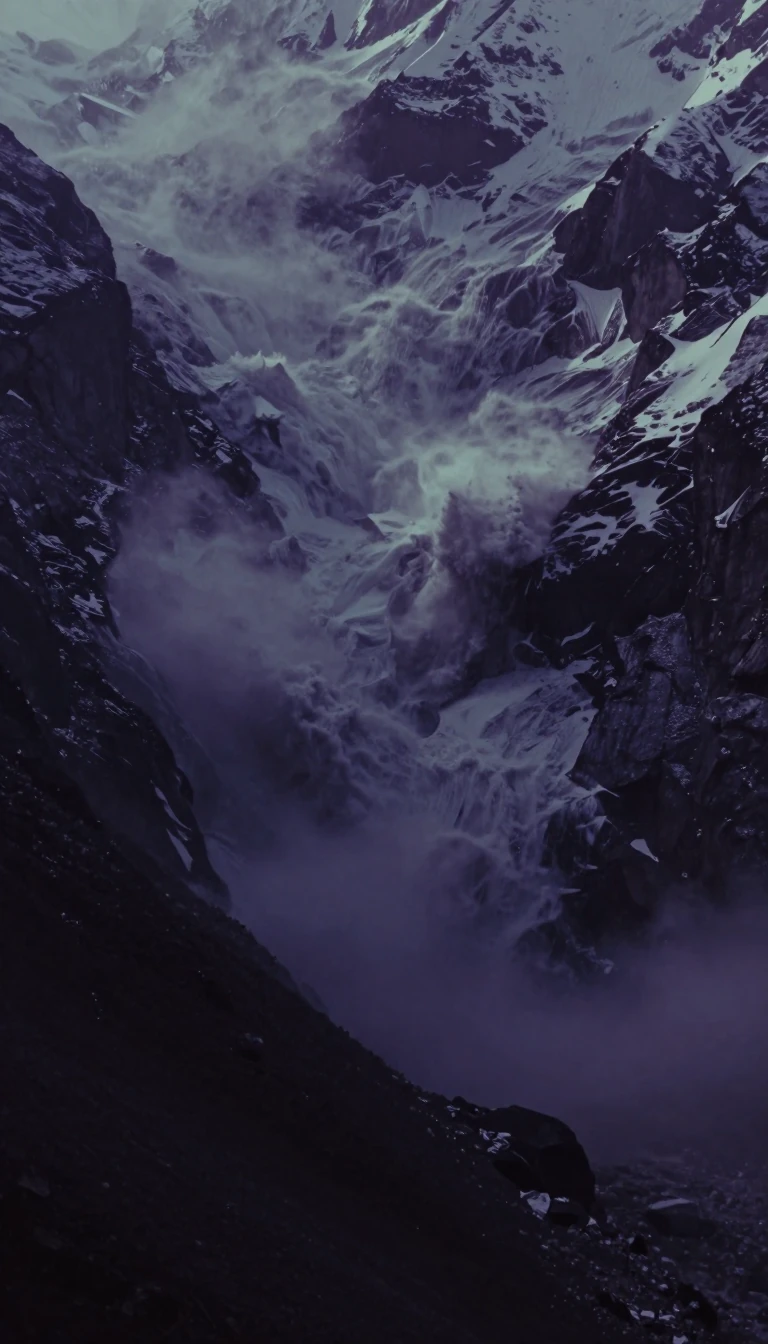
In short: On 26 August 2026, a sudden glacier collapse near Langtang Lirung unleashed a devastating debris flow that surged through the Trishuli River valley. Traveling at speeds up to 190 km/h, the disaster obliterated infrastructure, trapped hundreds in hydropower tunnels, and claimed thousands of lives across the China–Nepal border.
The disaster originated from a 0.2 km2 mass of ice and rock that broke off at an altitude of approximately 5.2 km. This glacier collapse, which experts believe was exacerbated by tectonic uplift and climate warming, fell vertically about 1.2 km. The impact generated a seismic event measuring Ms 5.2, which researchers initially mistook for an earthquake until analysis confirmed the tremors were a byproduct of the massive landslide. The resulting debris flow, estimated at up to 492 million cubic metres, surged downstream, destroying the strategic Gyirong Port and impacting settlements along a 72 km stretch of the Trishuli River.
The event caught authorities off guard, as existing early warning systems were configured for monsoon-related flooding rather than sudden glacial events. Monitoring stations were destroyed before alerts could be transmitted, and the region was described by experts as a geological monitoring blind spot. Despite previous efforts by Chinese authorities to fortify the Gyirong area against glacial lake outburst floods—including new dikes and emergency evacuation training—the sheer force of this debris flow overwhelmed these defenses within minutes.
The human and economic toll was immense. By September, over 1,450 deaths were reported in Nepal, with thousands more missing, including hundreds of foreign nationals and workers trapped in hydropower project tunnels. The damage to infrastructure was extensive, with thousands of houses destroyed and energy projects losing hundreds of megawatts of capacity. The total cost of reconstruction is estimated at over US$4.7 billion. As the region recovers, the disaster has sparked urgent calls for a more robust global response to the risks posed by melting permafrost and unstable glacial environments in the Himalayas.
Opens the Intellect+ feed with this card first. Swipe up for the next one.
Sources
- Summary by Intellect · source: 2026 Nepal–Tibet floods
- Also: Wikidata — 2026 Nepal–Tibet floods · CC0
To cite this card, link to https://intellectplus.co.uk/app/places-2026-nepal-tibet-floods.
How we source, check and correct cards: Editorial standards.
General information, not professional advice. Spotted an error? Flag the card or see corrections and complaints.
Intellect Plus is a visual educational discovery platform for exploring fascinating facts and ideas. Brain Food, Not Brain Rot. What is Intellect Plus?
Related
More in Countries and other regions · More in Countries & Cities · Latest · A–Z · All topics
