The Viennese art school that shaped history and rejected a future dictator
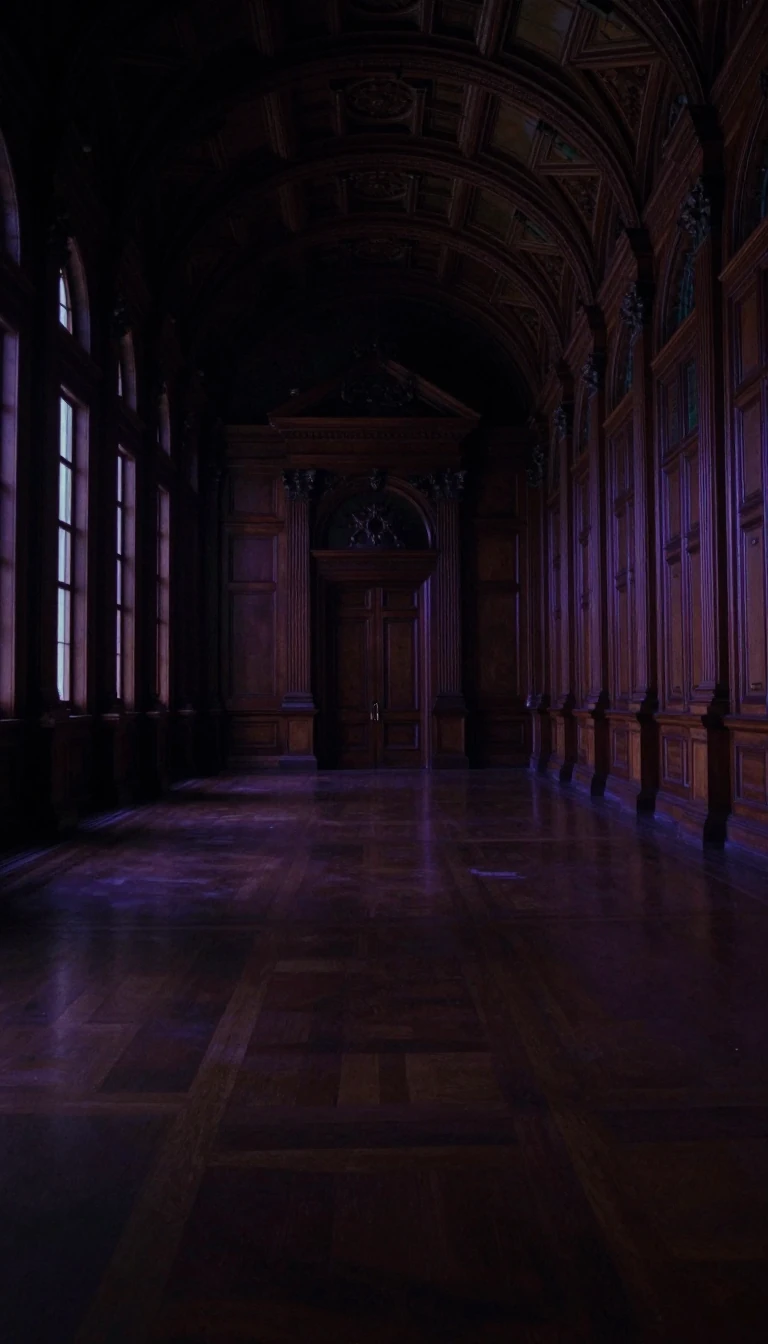
In short: Founded in 1688, the Academy of Fine Arts Vienna has evolved from a private court institution into a premier public university. While it remains a prestigious hub for contemporary artists and theorists, its storied halls are also remembered for a fateful rejection that altered the course of the twentieth century.
Established by court painter Peter Strudel, the academy initially drew inspiration from the Accademia di San Luca and Parisian models. After a period of closure following Strudel's death in 1714, Emperor Charles VI revitalized the institution in 1725. Throughout the eighteenth century, the academy underwent several structural reforms under Empress Maria Theresa, eventually integrating various art schools into a unified body that would become a central pillar of Austrian cultural life.
The institution's physical presence on the Ringstraße, inaugurated in 1877, stands as a testament to its elevated status as the supreme authority for the arts under Emperor Franz Joseph I. However, the academy's history is marked by profound shadows. During the Nazi occupation of Austria from 1938 to 1945, the institution was forced to purge its community of Jewish members and others targeted by discriminatory laws. This era remains a critical point of reflection for the school's modern identity.
Perhaps most infamously, the academy served as the site of a pivotal rejection in 1907 and 1908, when a young applicant named Adolf Hitler was twice denied entry by professor Christian Griepenkerl. This failure to gain admission forced him into a period of poverty in Vienna, a formative experience that preceded his departure for Munich in 1913. Today, the academy operates as a public university, distinguished by its unique nomenclature as the only Austrian institution of its kind that does not include the word 'university' in its official title.
Currently, the academy supports approximately 900 students across diverse institutes ranging from fine arts and conservation to natural sciences. Its extensive library and renowned etching cabinet, which holds roughly 150,000 works, underscore its role as a major research center. By balancing its historical legacy with contemporary academic rigor, the academy continues to influence the trajectory of European art and theory.
Opens the Intellect+ feed with this card first. Swipe up for the next one.
Sources
- Summary by Intellect · source: Academy of Fine Arts Vienna
- Also: Wikidata — Academy of Fine Arts Vienna · CC0
To cite this card, link to https://intellectplus.co.uk/app/places-academy-of-fine-arts-vienna.
How we source, check and correct cards: Editorial standards.
General information, not professional advice. Spotted an error? Flag the card or see corrections and complaints.
Intellect Plus is a visual educational discovery platform for exploring fascinating facts and ideas. Brain Food, Not Brain Rot. What is Intellect Plus?
Related
More in Countries and other regions · More in Countries & Cities · Latest · A–Z · All topics
