Addis Ababa means new flower—and Africa’s political capital
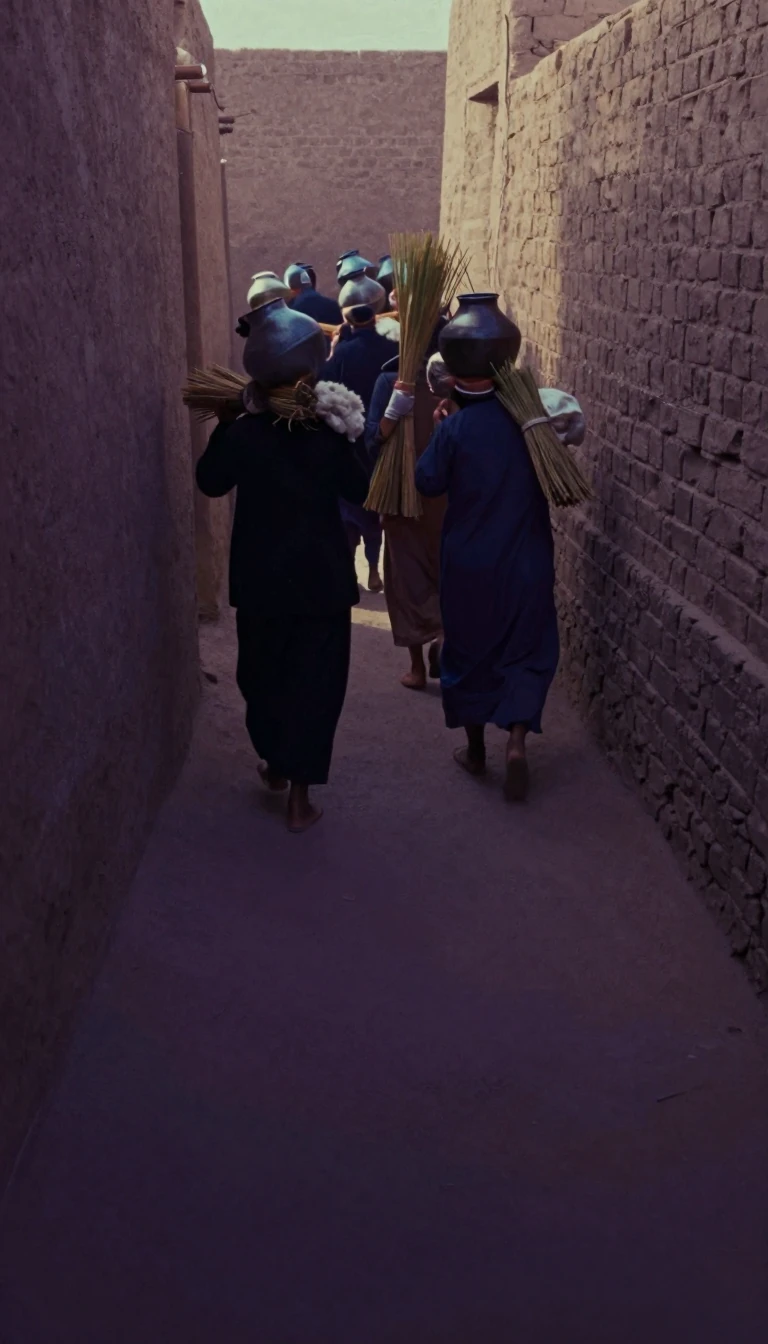
In short: Ethiopia’s capital, Amharic for “new flower” and Oromo Finfinnee for hot springs, was founded by Menelik II in 1886 after Mount Entoto proved unpleasant. Federally chartered, it hosts the African Union and is often dubbed the continent’s political capital.
With about 6.3 million inhabitants in 2025, the city ranks tenth in Africa by size, and at 2,355 meters it is the continent's highest capital and fourth-highest in the world. It sits just west of the East African Rift, where the Nubian and Somali plates pull apart. A DNA study of almost a thousand people suggested that early humans left Africa through a spot near the city roughly 100,000 years ago, with genetic diversity falling the farther ancestors traveled from it.
Before the city, the Gafat, speakers of a Semitic language distinct from Amharic and Oromo, lived here; Oromo groups pushing north from the late 16th century drove many across the Abbay into Gojjam. Mount Entoto to the north is one candidate for Barara, a 15th-century imperial capital drawn on Fra Mauro's map around 1450 and plundered by Ahmad ibn Ibrahim in 1529. It was Empress Taytu Betul who chose the valley site, building a house beside the Filwuha springs and coaxing Menelik down from cold, windy Entoto. The palace followed in 1887 and capital status in 1889.
Early homes were round huts of mud and straw with thatched roofs, and noble households claimed separate hilltop quarters. A railway to Djibouti opened in 1916, and Ras Tafari, the future Haile Selassie, dominated the city from 1917. A coffee windfall in the late 1920s paid for stone houses and imported cars, whose number jumped from 76 in 1926 to 578 by 1930. After his 1930 coronation the emperor brought in power lines and telephones.
Italian troops marched in on 5 May 1936, and the city served as the Duke of Aosta's seat for Italian East Africa until 1941. French and British consultants drafted later master plans. Today it houses Addis Ababa University as well as the UN Economic Commission for Africa.
Opens the Intellect+ feed with this card first. Swipe up for the next one.
Sources
- Summary by Intellect · source: Addis Ababa
- Also: Wikidata — Addis Ababa · CC0
- Also: Wikidata — Addis Ababa University · CC0
To cite this card, link to https://intellectplus.co.uk/app/places-addis-ababa.
How we source, check and correct cards: Editorial standards.
General information, not professional advice. Spotted an error? Flag the card or see corrections and complaints.
Intellect Plus is a visual educational discovery platform for exploring fascinating facts and ideas. Brain Food, Not Brain Rot. What is Intellect Plus?
Related
More in Cities · More in Countries & Cities · Latest · A–Z · All topics
