How a Moroccan city rebuilt itself after a devastating earthquake erased its past
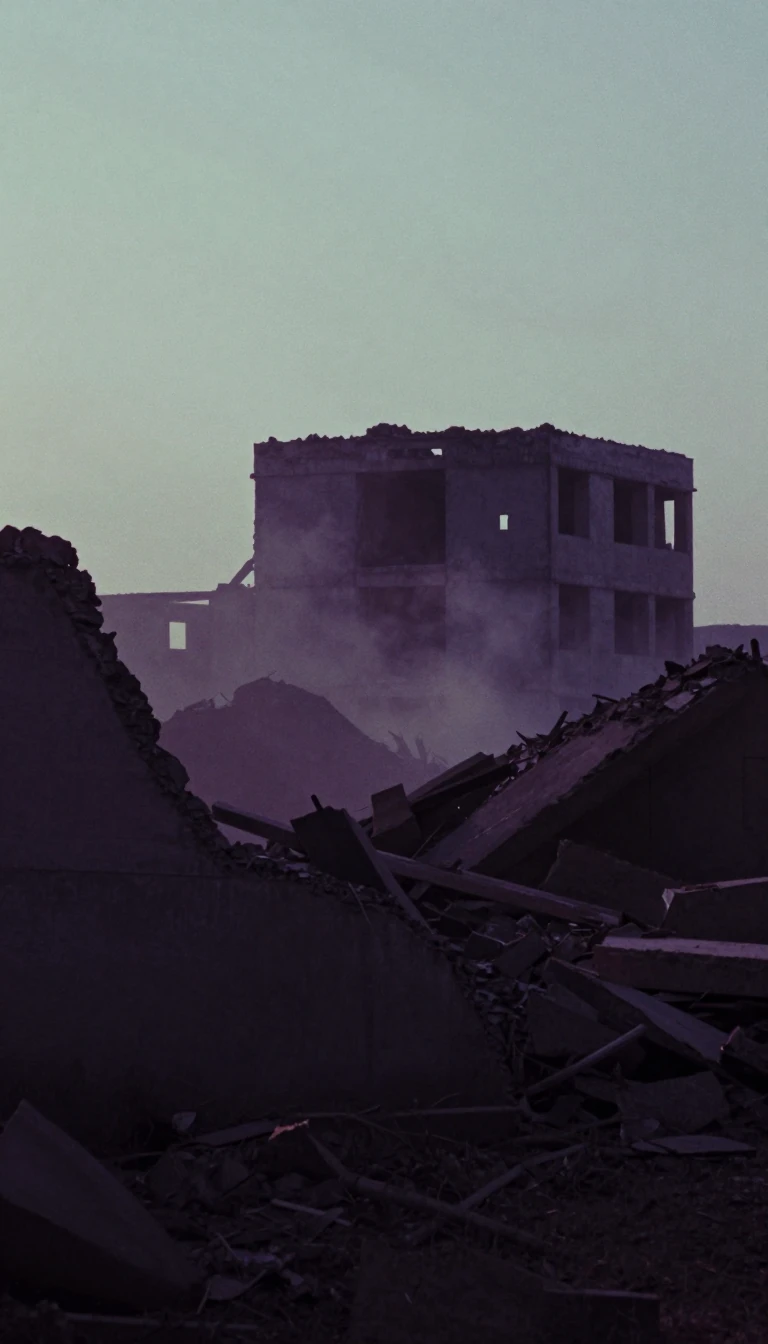
In short: Agadir is a major Moroccan urban center defined by its resilience. Once a Portuguese colony and later a ghost town, it was completely leveled by a 1960 earthquake. Today, it stands as a modern, reconstructed seaside resort, serving as a hub for Berber culture and the country's most important fishing port.
The name Agadir, derived from Berber, Phoenician, or Tuareg roots, signifies a wall or fortress. Its history is marked by shifting colonial interests and local resistance. In 1505, Portuguese nobleman João Lopes de Sequeira established a colony named Santa Cruz do Cabo do Gué. By 1541, the Sa'di sultan Muhammad al-Shaykh successfully besieged the fortress, ending Portuguese control and forcing them to abandon most Moroccan territories. The city later became a site of international tension during the 1911 Agadir Crisis, where the arrival of the German gunboat SMS Panther nearly triggered a conflict between France and Germany.
The city's modern identity was forged in tragedy. At 15 minutes to midnight on 29 February 1960, a 5.7 magnitude earthquake struck, lasting only 15 seconds. The disaster claimed an estimated 15,000 lives and destroyed the old Kasbah. In the aftermath, the city was entirely rebuilt 1.6 kilometers further south. This reconstruction, guided by architects associated with GAMMA and influenced by Le Corbusier, implemented mandatory seismic standards to ensure the city's future safety.
Today, Agadir is a sprawling conurbation of over 1.2 million people, serving as the capital of the Souss-Massa region. It is a center for Berber culture, where festivals like Yennayer and Bujlood celebrate local traditions. Beyond its cultural significance, the city thrives as a premier tourist destination, boasting 340 days of sunshine annually. Its economy is bolstered by a massive port, citrus exports, and a robust fishing industry, solidifying its status as a vital economic engine for Morocco.
Opens the Intellect+ feed with this card first. Swipe up for the next one.
Sources
- Summary by Intellect · source: Agadir
- Also: Wikidata — Agadir · CC0
To cite this card, link to https://intellectplus.co.uk/app/places-agadir.
How we source, check and correct cards: Editorial standards.
General information, not professional advice. Spotted an error? Flag the card or see corrections and complaints.
Intellect Plus is a visual educational discovery platform for exploring fascinating facts and ideas. Brain Food, Not Brain Rot. What is Intellect Plus?
Related
More in Cities · More in Countries & Cities · Latest · A–Z · All topics
