How a single plant species defined the cultural identity and landscape of modern Mexico
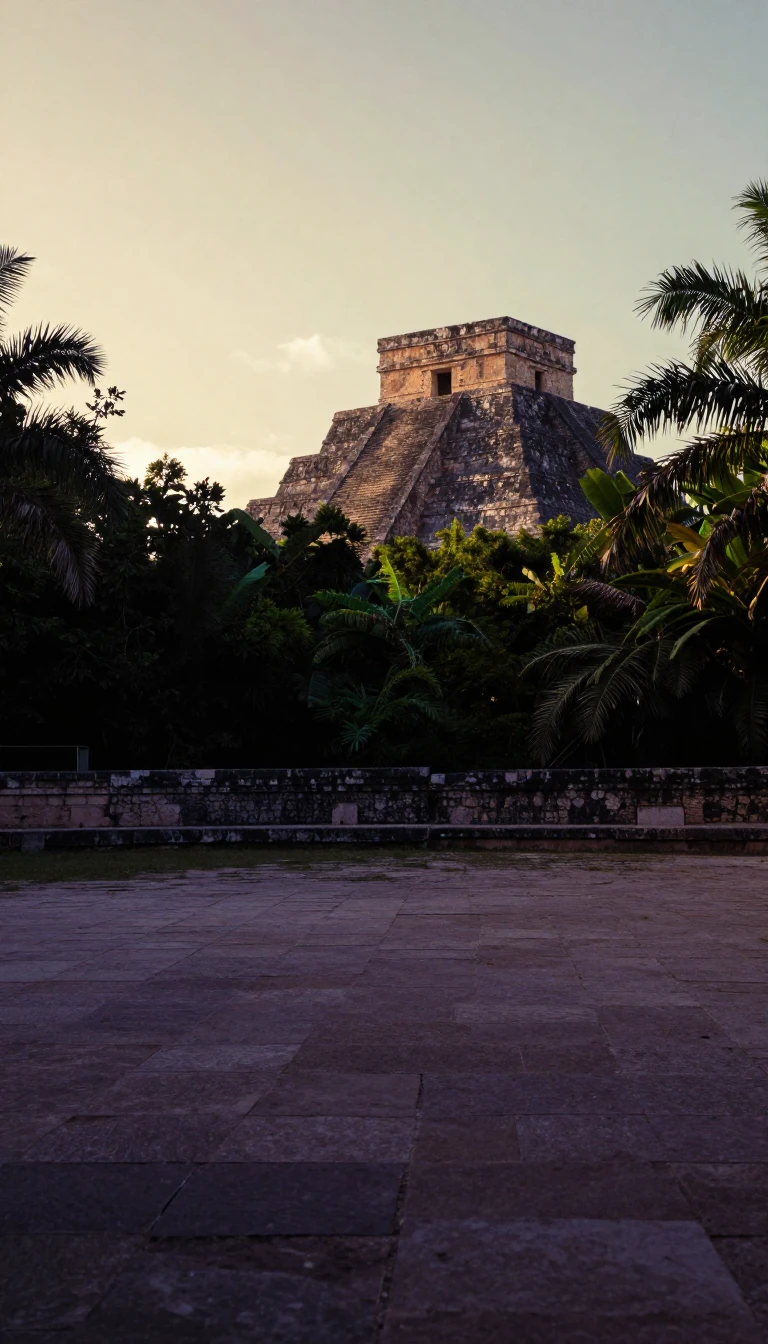
In short: Spanning over 35,000 hectares, the Agave Landscape of Tequila is more than just a source for a famous spirit. It is a living testament to two millennia of human ingenuity, where ancient agricultural traditions and industrial evolution have converged to shape the very fabric of Mexican heritage and national identity.
Designated as a UNESCO World Heritage Site, this expansive region encompasses both the vibrant blue agave fields and the historic urban settlements of Tequila, Magdalena, El Arenal, and Amatitan. While the area is globally recognized for its role in producing tequila since the 16th century, the history of the blue agave plant runs much deeper. For at least two thousand years, local populations have utilized the plant for diverse purposes, ranging from the production of cloth to the creation of fermented beverages like pulque.
The landscape serves as a physical record of the Teuchitlan tradition, which flourished between AD 200 and 900. This ancient culture fundamentally altered the terrain by constructing sophisticated agricultural terraces, residential zones, ceremonial mounds, and ball courts. These early architectural interventions laid the groundwork for the region's development, demonstrating a long-standing human connection to the land that predates the industrial era by centuries.
In more recent history, the landscape has been defined by the rise of industrial tequila production. The presence of active, working distilleries throughout the site reflects the dramatic surge in global tequila consumption during the 19th and 20th centuries. This industrial expansion did not replace the traditional landscape but rather integrated with it, creating a unique synthesis of agricultural heritage and modern manufacturing. Today, this interplay between the agave fields and the distilleries is central to Mexican national identity.
Beyond its economic and historical significance, the region has become a profound source of inspiration for the arts. The visual and cultural impact of the agave landscape is evident in various forms of creative expression, including film, music, dance, and painting. By preserving these sites, Mexico maintains a tangible link to its past while celebrating the enduring legacy of a plant that has influenced everything from ancient ritual to contemporary global culture.
Opens the Intellect+ feed with this card first. Swipe up for the next one.
Sources
- Summary by Intellect · source: Agave Landscape and Ancient Industrial Facilities of Tequila
To cite this card, link to https://intellectplus.co.uk/app/places-agave-landscape-and-ancient-industrial-facilities-of-tequila.
How we source, check and correct cards: Editorial standards.
General information, not professional advice. Spotted an error? Flag the card or see corrections and complaints.
Intellect Plus is a visual educational discovery platform for exploring fascinating facts and ideas. Brain Food, Not Brain Rot. What is Intellect Plus?
Related
More in World Heritage Sites · More in Countries & Cities · Latest · A–Z · All topics
