Al-Aqsa is not just a single mosque, but a vast, ancient religious compound.
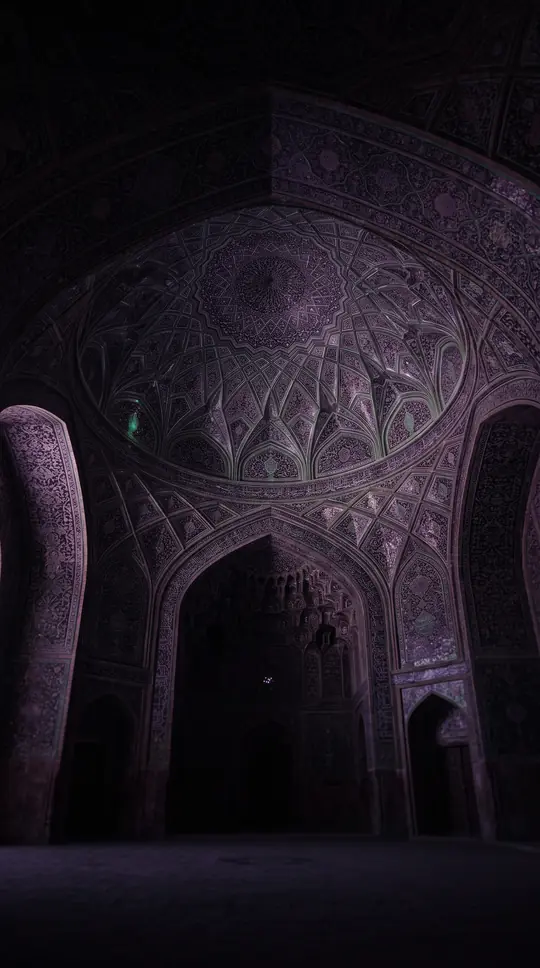
In short: Often confused with the silver-domed prayer hall, Al-Aqsa is actually a sprawling plateau in Jerusalem. This site, home to the Dome of the Rock and centuries of architectural history, has been shaped by earthquakes, crusaders, and competing empires, serving as a central pillar of Islamic heritage for over a millennium.
Al-Aqsa, or the Haram al-Sharif, is a complex religious site in Jerusalem's Old City. While the name is frequently used to describe the silver-domed Qibli Mosque, it historically refers to the entire esplanade. This distinction is vital: early scholars like the 10th-century geographer al-Muqaddasi used the term to encompass the whole plateau, including the Dome of the Rock, fountains, and minarets, as these structures did not exist when the Quran was written.
The site's architecture is a palimpsest of shifting power. The original mosque was likely built in the late 7th or early 8th century by Umayyad caliphs. However, the structure has been repeatedly devastated by seismic activity, notably in 746, 1033, and 1927. Each reconstruction—from the Abbasids in 780 to the Fatimids in the 11th century—left distinct marks, such as the Fatimid-era mosaics that were rediscovered during 20th-century renovations. During the Crusader occupation beginning in 1099, the mosque was repurposed as a palace and a stable, before Saladin restored its function as a house of worship in 1187.
Today, the site remains a focal point of geopolitical and religious significance. Its administration is currently held by the Jerusalem Waqf. The compound’s history is marked by the interplay of architectural preservation and political symbolism, with various dynasties—from the Mamluks to the Ottomans—investing in its expansion to assert their legitimacy. The site’s endurance through centuries of conflict and natural disaster reflects its status as the third holiest location in Islam, bridging ancient tradition with the complexities of the modern era.
Opens the Intellect+ feed with this card first. Swipe up for the next one.
Sources
- Summary by Intellect · source: Al-Aqsa
- Also: Wikidata — Al-Aqsa Mosque · CC0
To cite this card, link to https://intellectplus.co.uk/app/places-al-aqsa.
How we source, check and correct cards: Editorial standards.
General information, not professional advice. Spotted an error? Flag the card or see corrections and complaints.
Intellect Plus is a visual educational discovery platform for exploring fascinating facts and ideas. Brain Food, Not Brain Rot. What is Intellect Plus?
Related
More in World Heritage Sites · More in Countries & Cities · Latest · A–Z · All topics
