The world's largest river delta is so unusual that some experts dispute its name.
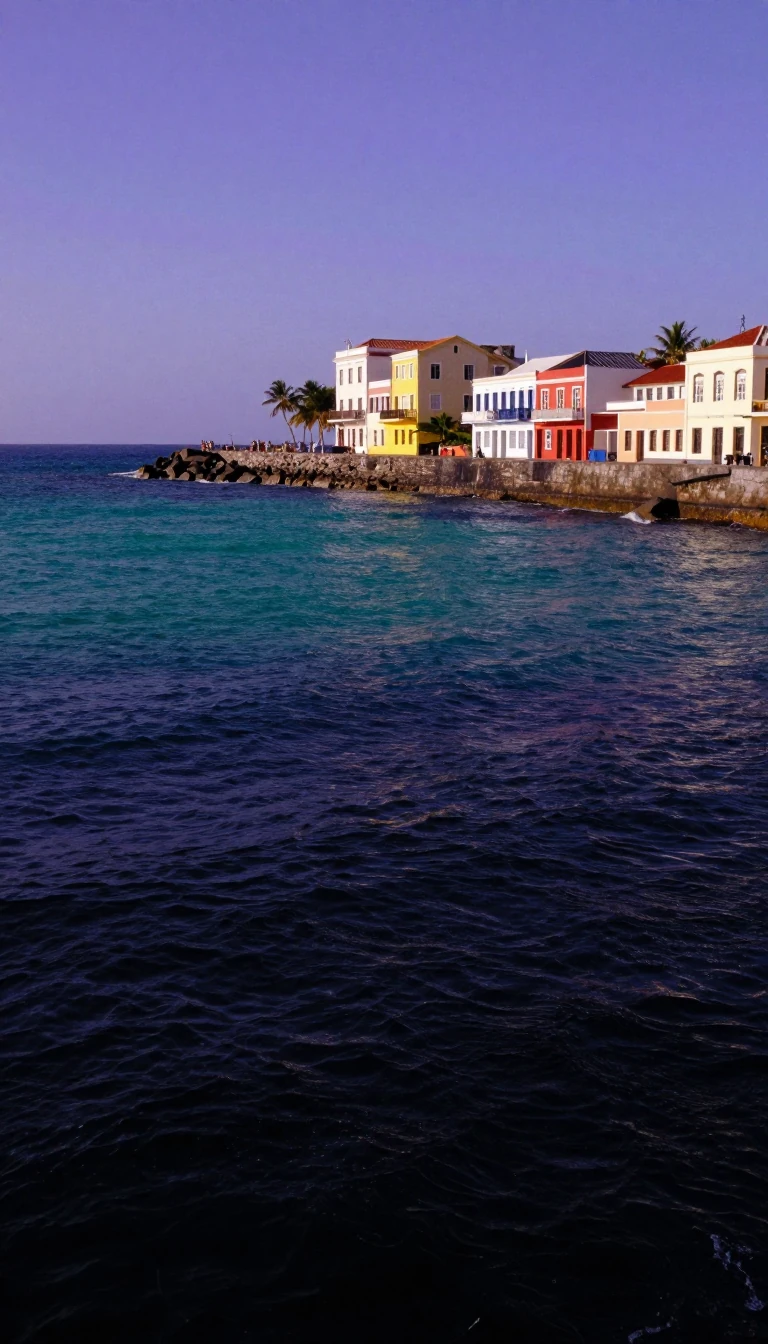
In short: Spanning 160,000 square kilometers, the Amazon Delta is a colossal hydrological wonder. It discharges one-fifth of the world's freshwater into the Atlantic, yet its unique sedimentary structure defies the classic delta shape. This vast, complex ecosystem supports millions of people and rare wildlife, but faces mounting environmental and industrial pressures.
The Amazon Delta is formed by the Amazon and Tocantins rivers in northern Brazil, encompassing the expansive Marajó Archipelago. While it is officially recognized as the largest river delta globally, its morphology is atypical. Because the region features limited subaerial expression due to massive sediment and freshwater discharge, some geographers argue it does not fit the traditional definition of a delta at all. This region is a biodiversity hotspot, housing 75% of Brazil's mangroves and providing a habitat for species ranging from pink river dolphins to water buffalo.
Life in the delta is dictated by a tropical climate with distinct wet and dry seasons. From January to June, heavy precipitation causes frequent flooding, a phenomenon that has become increasingly extreme in recent years, with notable events in 2009, 2012, 2021, and 2022. These cycles shape the local landscape, which includes wetlands, lagoons, and the Marajó Várzea ecoregion. Tidal activity from the Atlantic further influences the environment, causing twice-daily flooding that allows fish to feed on the abundant açaí palms found throughout the archipelago.
Over 1.5 million people reside in the region, often in small towns with limited infrastructure. Many rely on industries like fishing, agriculture, and mining, though approximately 50,000 people depend directly on natural resource exploitation. The area faces significant challenges, including waterborne and vector-borne diseases, as well as the consequences of rapid settlement, such as erosion and land movement. Recent industrial activity, specifically Petrobras's 2025 oil drilling project located 500km from the river's mouth, has sparked intense debate. Following a synthetic fluid leak in early 2026, regulators paused operations, highlighting the ongoing tension between economic development and the protection of this fragile, vital ecosystem.
Opens the Intellect+ feed with this card first. Swipe up for the next one.
Sources
- Summary by Intellect · source: Amazon Delta
- Also: Wikidata — Amazon Delta · CC0
To cite this card, link to https://intellectplus.co.uk/app/places-amazon-delta.
How we source, check and correct cards: Editorial standards.
General information, not professional advice. Spotted an error? Flag the card or see corrections and complaints.
Intellect Plus is a visual educational discovery platform for exploring fascinating facts and ideas. Brain Food, Not Brain Rot. What is Intellect Plus?
Related
More in Other hydrological features · More in Countries & Cities · Latest · A–Z · All topics
