The world's largest tropical wetland is a giant, seasonal river delta in South America.
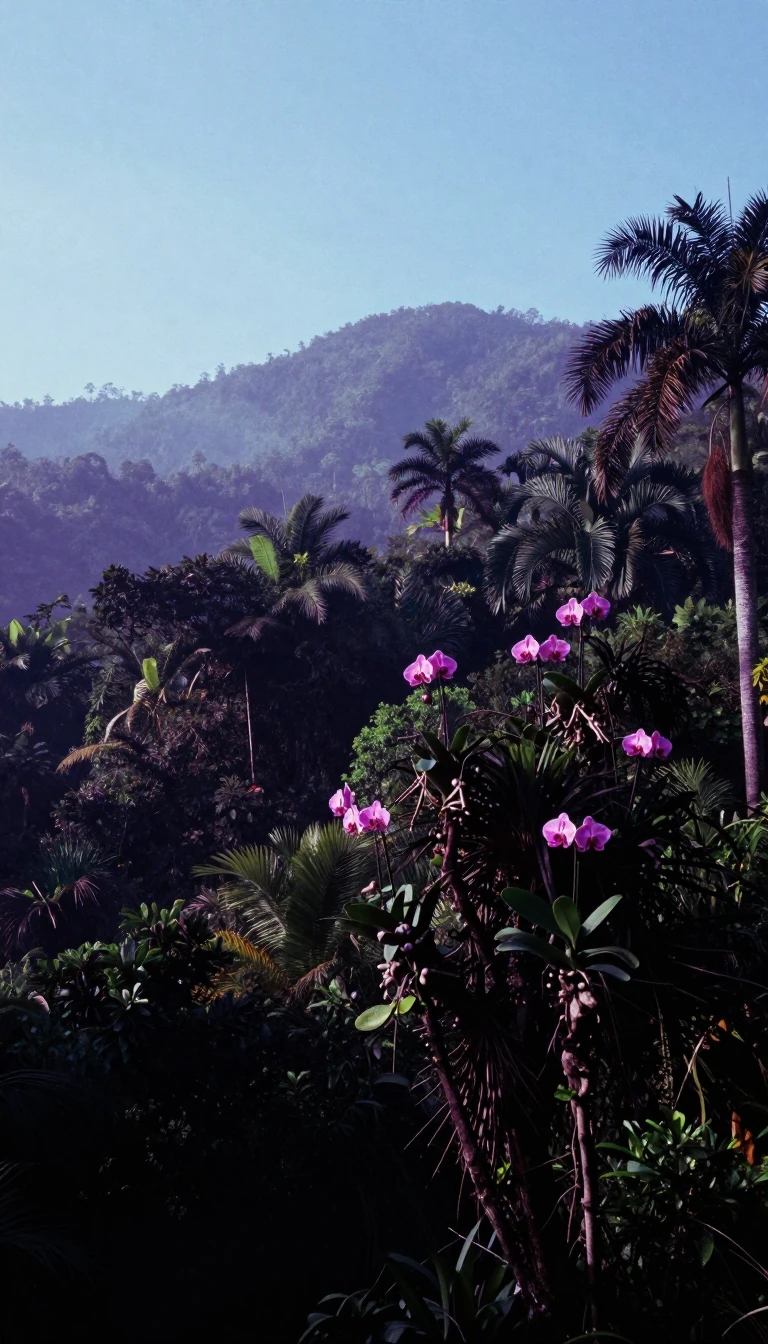
In short: Sprawling across Brazil, Bolivia, and Paraguay, the Pantanal is a vast, concave basin that transforms annually. During rainy seasons, 80% of its landscape submerges, creating a unique, oxygen-depleted environment. This complex ecosystem relies on a surprising keystone species to recycle nutrients and sustain its dense, diverse wildlife populations.
The Pantanal is an immense internal river delta, formed by a pre-Andean depression in the Earth's crust. Spanning an estimated 140,000 to 195,000 square kilometres, it acts as a massive catchment for runoff from the surrounding Planalto highlands. This water slowly drains through the Paraguay River, creating a landscape that shifts between phases of standing water and dry soil. Because the terrain is gently sloped and densely vegetated, floodwaters move at a sluggish pace of just 2 to 10 centimetres per second.
This seasonal inundation creates a challenging environment. When rising waters hit dry soil, the resulting decomposition can deplete oxygen, leading to anoxic conditions. The apple snail, a keystone species, thrives here by using both gills and lungs to survive these low-oxygen waters. By consuming dead plant matter and converting it into fertilizer, these snails provide a vital service that supports the region's rich biodiversity, including over 9,000 invertebrate species and hundreds of bird, fish, and mammal species.
Despite its ecological importance, the Pantanal faces significant threats. Approximately 99% of the land is privately owned, primarily for ranching, with about eight million cattle grazing across 2,500 fazendas. Human activity, including infrastructure development, pollution from gold mining, and the use of pesticides in soy-bean farming, puts pressure on the basin. Climate change has also introduced new dangers; in 2020, an unprecedented fire destroyed a quarter of the wetland, killing millions of vertebrates and setting a record for wildfire activity.
Conservation efforts are underway, with areas like the Pantanal Matogrossense National Park, established in 1981, and the SESC Pantanal Private Natural Heritage Reserve, founded in 1998, designated as Ramsar Sites of International Importance. While deforestation rates remain relatively low at under 17%, the future of this complex biome depends on managing the delicate balance between human economic interests and the preservation of its unique hydrological and environmental conditions.
Opens the Intellect+ feed with this card first. Swipe up for the next one.
Sources
- Summary by Intellect · source: Pantanal
- Also: Wikidata — Pantanal · CC0
- Also: Wikidata — Pantanal · CC0
To cite this card, link to https://intellectplus.co.uk/app/places-pantanal.
How we source, check and correct cards: Editorial standards.
General information, not professional advice. Spotted an error? Flag the card or see corrections and complaints.
Intellect Plus is a visual educational discovery platform for exploring fascinating facts and ideas. Brain Food, Not Brain Rot. What is Intellect Plus?
Related
More in World Heritage Sites · More in Countries & Cities · Latest · A–Z · All topics
