How a mountainous Colombian department became a global hub for innovation and trade
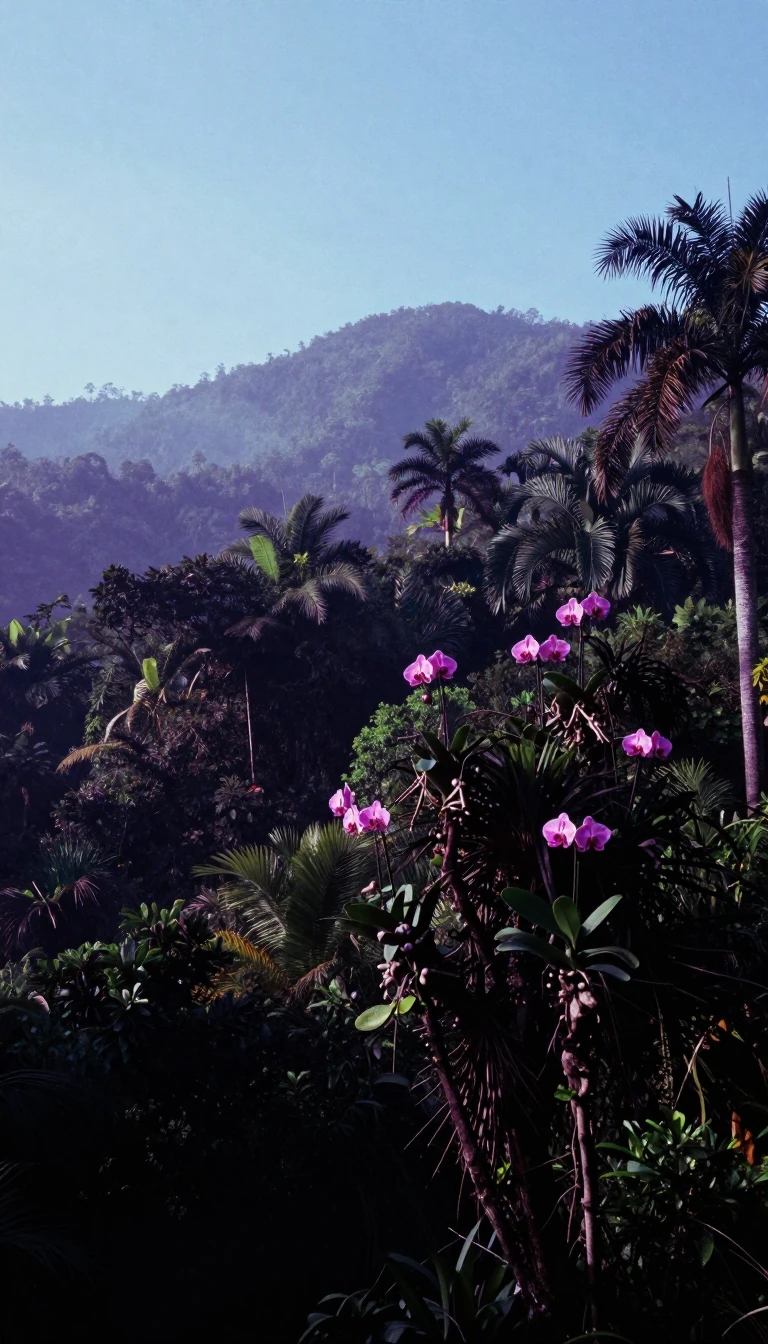
In short: Antioquia, a rugged, mountainous department in northwestern Colombia, has evolved from a gold-trading outpost into a modern urban powerhouse. Home to the innovative capital of Medellín, this region balances a complex history of indigenous displacement, colonial influence, and industrial ambition, all while maintaining a distinct cultural identity known as Paisa.
Antioquia covers over 63,000 square kilometers, with 80% of its terrain defined by the Andes mountain range. This challenging topography historically isolated the region, forcing its inhabitants to pivot from agriculture toward trade and mining. By the late 18th century, reforms introduced by Spanish inspector Juan Antonio Mon y Velarde transformed the area into a hub for commerce, particularly in gold. This legacy of entrepreneurship persists; in 2013, Medellín was named the world's most innovative city in a competition organized by The Wall Street Journal and the Urban Land Institute, outperforming finalists like New York City and Tel Aviv.
The region's cultural character is often attributed to its unique demographic history. While indigenous groups like the Catía, Nutabe, and Tahamí originally populated the central valleys, the Spanish conquest led to widespread population decline due to disease and conflict. Subsequent waves of migration—including Basques, Jews, and various European and Middle Eastern groups—shaped the local dialect and social structure. A 1957 study by historian Everett Hagen famously noted that while only 15% of Medellín's surnames were Basque, 25% of its employers were, suggesting a disproportionate influence on the region's industrial development.
Despite its progress, Antioquia has faced significant instability. The department was deeply impacted by the Colombian conflict, with 30,000 people reported missing between 1997 and 2005. Today, the department is divided into nine administrative subregions containing 125 municipalities. While indigenous populations now represent only about 0.5% of the total 6.9 million residents, genetic studies indicate that the average resident carries a 26% indigenous genetic component, reflecting the complex intermarriage between early Spanish settlers and native groups.
Opens the Intellect+ feed with this card first. Swipe up for the next one.
Sources
- Summary by Intellect · source: Antioquia Department
- Also: Wikidata — Antioquia · CC0
- Also: Wikidata — government of Antioquia department · CC0
To cite this card, link to https://intellectplus.co.uk/app/places-antioquia-department.
How we source, check and correct cards: Editorial standards.
General information, not professional advice. Spotted an error? Flag the card or see corrections and complaints.
Intellect Plus is a visual educational discovery platform for exploring fascinating facts and ideas. Brain Food, Not Brain Rot. What is Intellect Plus?
Related
More in Cities · More in Countries & Cities · Latest · A–Z · All topics
