Why did a colonial capital move three times before settling in the Panchoy Valley?
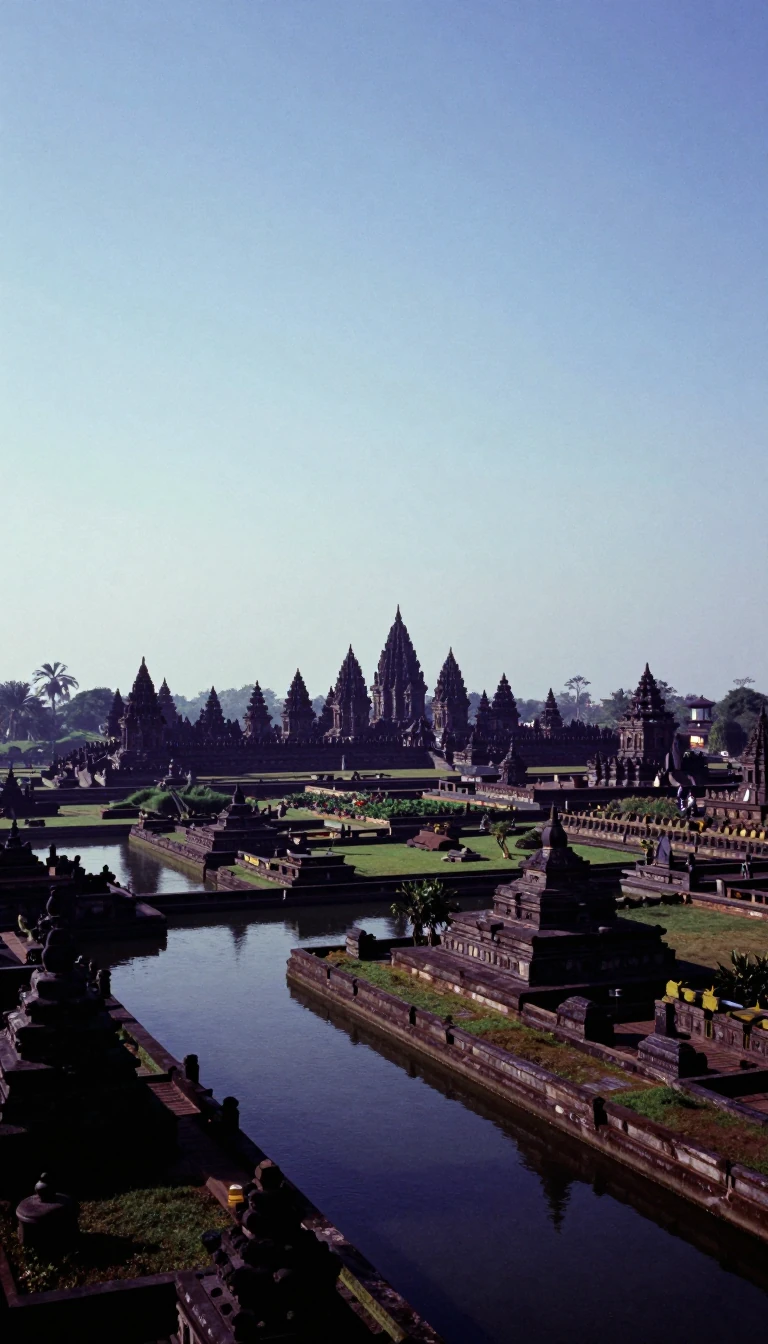
In short: Antigua Guatemala was not the first choice for a colonial seat. After founding a city near Lake Atitlán in 1524, Spanish authorities relocated twice due to indigenous uprisings and a catastrophic volcanic lahar. By 1543, they established this Baroque gem, only to face centuries of seismic destruction and eventual abandonment.
The city now known as Antigua Guatemala was originally named Santiago de los Caballeros. Its history is defined by a desperate search for stability in a volatile landscape. The first capital, founded in 1524 at Iximche, was abandoned following Kaqchikel uprisings. A second attempt in the Valley of Almolonga ended in 1541 when a massive mudflow from the Volcán de Agua obliterated the settlement. The third and final colonial site, established in 1543 in the Panchoy Valley, was meticulously planned with a grid layout to centralize civic and religious authority.
For 230 years, this city served as the administrative heart of the Kingdom of Guatemala, governing a vast territory that spanned from modern-day Chiapas to Costa Rica. It became a center of intellectual and religious life, hosting the University of San Carlos Borromeo and numerous monastic orders. Figures like Pedro de San José Betancourt, who arrived in 1650, transformed the city’s social fabric by establishing the first religious order founded in the Americas and pioneering literacy and medical care for the impoverished.
The city’s architectural grandeur was constantly challenged by the earth itself. Major seismic events, such as the San Miguel earthquakes of 1717 and the San Casimiro earthquake of 1751, caused recurring damage that required constant reconstruction. The final blow came with the Santa Marta earthquakes of 1773, which left the city in ruins. In 1776, the Spanish Crown ordered the capital relocated to the Valley of the Shrine, creating the modern Guatemala City. The abandoned Santiago de los Caballeros was left to decay, eventually earning the name Antigua—Old Guatemala—and a UNESCO World Heritage designation in 1979.
Opens the Intellect+ feed with this card first. Swipe up for the next one.
Sources
- Summary by Intellect · source: Antigua Guatemala
- Also: Wikidata — Antigua Guatemala · CC0
- Also: Wikidata — Antigua Guatemala · CC0
To cite this card, link to https://intellectplus.co.uk/app/places-antigua-guatemala.
How we source, check and correct cards: Editorial standards.
General information, not professional advice. Spotted an error? Flag the card or see corrections and complaints.
Intellect Plus is a visual educational discovery platform for exploring fascinating facts and ideas. Brain Food, Not Brain Rot. What is Intellect Plus?
Related
More in Cities · More in Countries & Cities · Latest · A–Z · All topics
