The industrial scale of the largest mass murder in a single location
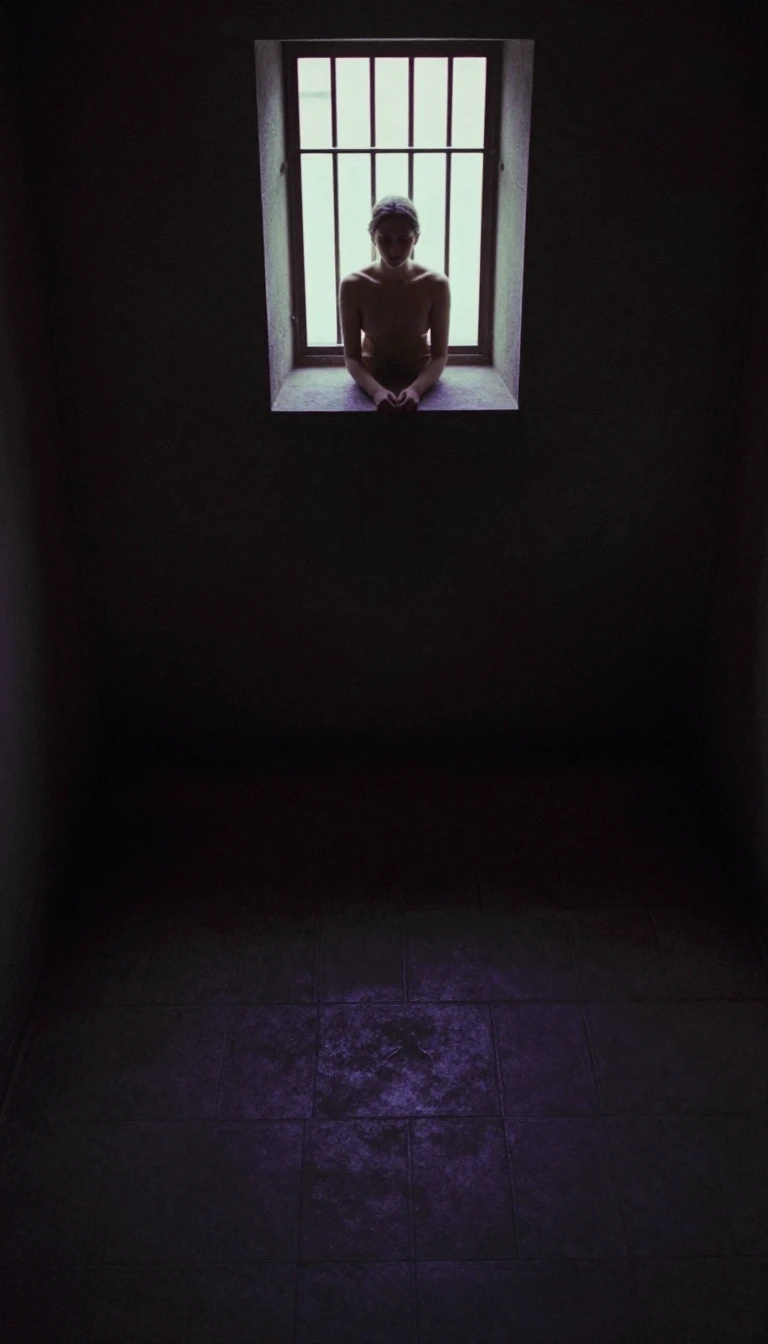
In short: Auschwitz was not merely a prison, but a vast, evolving complex of over 40 camps. From its origins as a Polish quarantine station to its role in the Final Solution, the site represents a chilling peak of Nazi systematic extermination and industrialised death.
The Auschwitz complex, located in occupied Poland, functioned through a network of specialized sites. Auschwitz I served as the administrative headquarters (Stammlager), while Auschwitz II-Birkenau became the primary center for extermination. The network also included Auschwitz III-Monowitz, a labour camp built for the chemical giant IG Farben, alongside dozens of smaller subcamps.
The camp's purpose shifted through several phases. Initially established in April 1940 as a quarantine facility for Polish political prisoners, it was later transformed into a site of mass murder. The first experimental gassings, using Zyklon B crystals on Soviet prisoners of war, occurred around August 1941 in the basement of block 11. By 1942, the Wannsee Conference had formalised the 'Final Solution,' leading to the arrival of freight trains carrying Jews from across German-occupied Europe.
The scale of the tragedy is immense. Of the 1.3 million people sent to the complex, approximately 1.1 million were murdered. This total includes 960,000 Jews—865,000 of whom were killed in gas chambers upon arrival—as well as 74,000 non-Jewish Poles, 21,000 Romani, and 15,000 Soviet prisoners of war. While some died from starvation, disease, or medical experiments, the gas chambers at Birkenau became the primary engine of death.
The camp's infrastructure was designed for expansion and efficiency. Architect Karl Bischoff’s plans for the barracks eventually allowed for a capacity of 125,000 prisoners, though inmates were often crowded into spaces as small as 1 square metre. Though the SS attempted to hide the evidence by destroying gas chambers and crematoria in 1944, the site remains a permanent, harrowing monument to the Holocaust.
Opens the Intellect+ feed with this card first. Swipe up for the next one.
Sources
- Summary by Intellect · source: Auschwitz concentration camp
- Also: Wikidata — Auschwitz · CC0
- Also: Wikidata — Auschwitz concentration camp inmate · CC0
To cite this card, link to https://intellectplus.co.uk/app/places-auschwitz-concentration-camp.
How we source, check and correct cards: Editorial standards.
General information, not professional advice. Spotted an error? Flag the card or see corrections and complaints.
Intellect Plus is a visual educational discovery platform for exploring fascinating facts and ideas. Brain Food, Not Brain Rot. What is Intellect Plus?
Related
More in World Heritage Sites · More in Countries & Cities · Latest · A–Z · All topics
