Why the Lakota call this rugged South Dakota landscape the bad lands
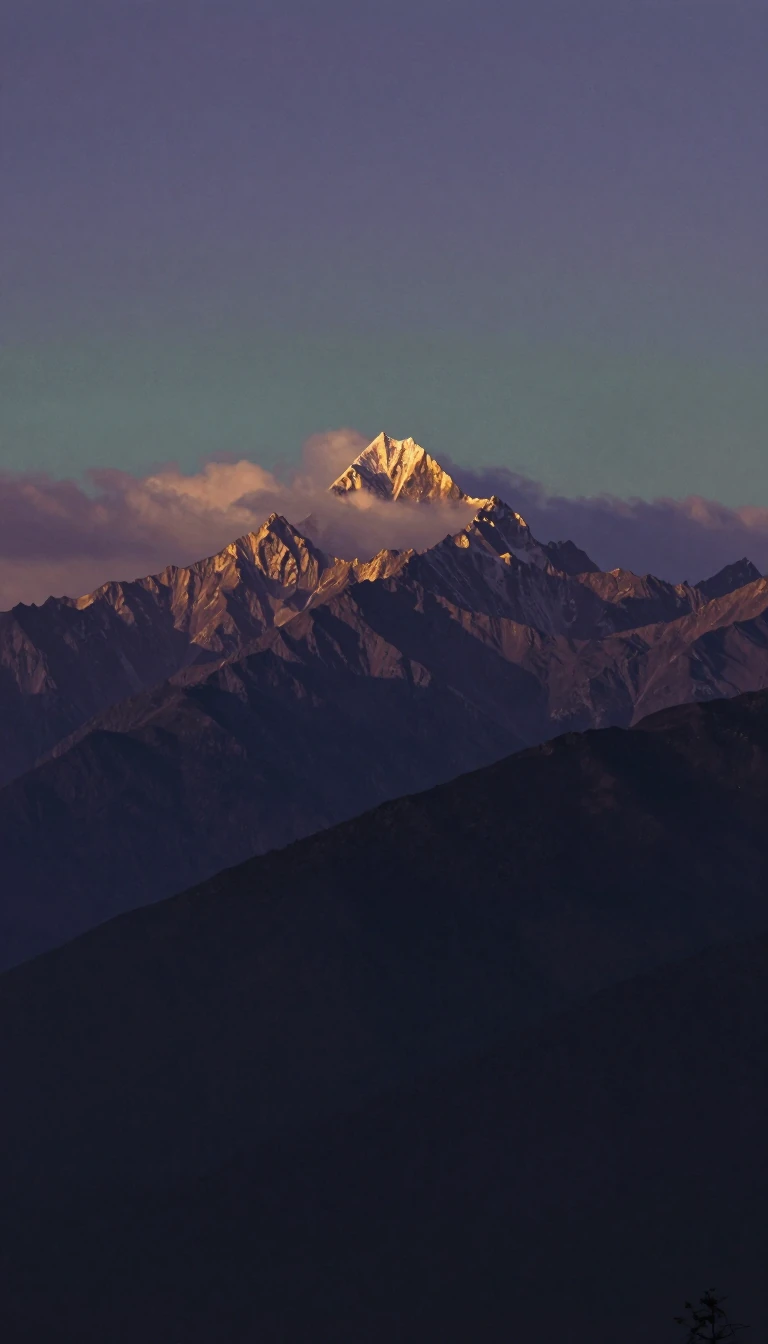
In short: Spanning over 240,000 acres, this national park is defined by sharp pinnacles and vast, untouched grasslands. While its name reflects the harsh terrain that challenged early travelers, the area holds a deep, layered history of ancient seas, fossilized giants, and a long, contested struggle for indigenous sovereignty and land rights.
The park’s dramatic topography is a geological record of the past 75 million years. It began as the Western Interior Seaway, an ancient ocean that once stretched from the Arctic to the Gulf of Mexico. As the Rocky Mountains rose, they shed sediment that drained the sea, eventually creating the river floodplains that now erode into the iconic buttes and walls seen today. This rapid erosion, stripping away soft rock during summer storms, makes the landscape geologically young and perpetually changing.
Beyond its geology, the park is a treasure trove of Oligocene fossils. Since the 1840s, researchers have identified numerous extinct species here, including early camels and ancient mammals. This paleontological wealth was the primary driver for the area's initial protection as a national monument in 1939. Today, however, the park faces modern threats, including fossil poaching, the encroachment of oil and gas infrastructure, and the long-term environmental shifts projected by 2050.
The park’s human history is equally profound. For 11,000 years, the region served as hunting grounds for paleo-Indians and later the Lakota, who named it makȟóšiča. The South Unit, or Stronghold District, remains a site of immense cultural significance, having hosted the 1890s Ghost Dances. This area was also the site of a U.S. Air Force bombing range during World War II, which forcibly displaced local families. Today, the park is co-managed with the Oglala Lakota, though the legacy of broken treaties and the struggle for land ownership continues to shape the park's complex identity.
Opens the Intellect+ feed with this card first. Swipe up for the next one.
Sources
- Summary by Intellect · source: Badlands National Park
- Also: Wikidata — Badlands National Park · CC0
To cite this card, link to https://intellectplus.co.uk/app/places-badlands-national-park.
How we source, check and correct cards: Editorial standards.
General information, not professional advice. Spotted an error? Flag the card or see corrections and complaints.
Intellect Plus is a visual educational discovery platform for exploring fascinating facts and ideas. Brain Food, Not Brain Rot. What is Intellect Plus?
Related
More in Parks, preserves, and World Heritage Sites · More in Countries & Cities · Latest · A–Z · All topics
