The Cévennes mountains served as a rugged sanctuary for centuries of religious refugees.
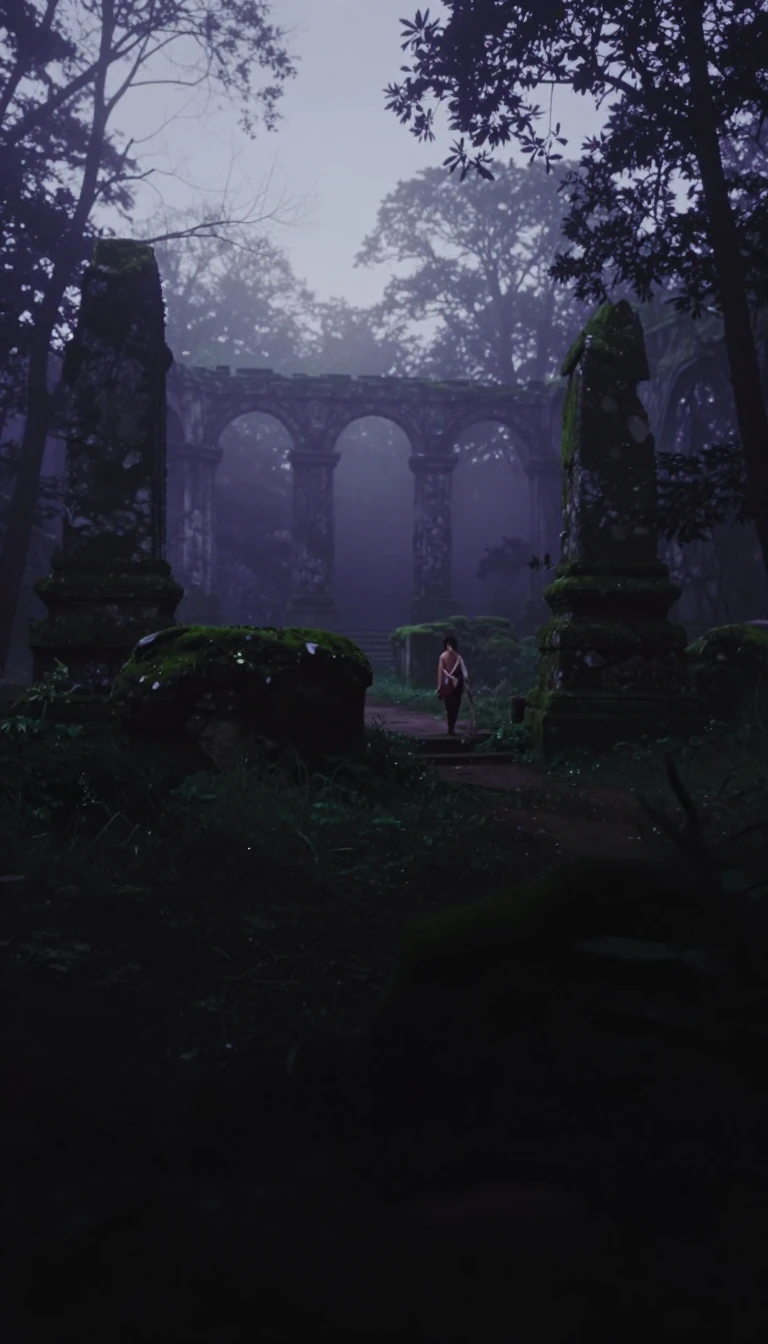
In short: Rising from the south-central French landscape, the Cévennes range is more than a geological marvel. Its deep valleys and hidden caves provided a natural fortress for Huguenots fleeing persecution, and later, a clandestine refuge for those escaping the horrors of the Second World War. It is a landscape defined by resistance.
The Cévennes, a mountain range forming the southeastern edge of the Massif Central, has been shaped by complex geological forces. Uplifted during the Variscan orogeny and later influenced by Alpine mountain building, the region is defined by granite and schist basements covered by limestone. These rocks have been carved by rivers into dramatic gorges, such as the Tarn and the Jonte. The mountains also act as a critical watershed, separating rivers flowing toward the Atlantic from those heading to the Mediterranean.
Human history in the region stretches back 400,000 years, with evidence of Magdalenian peoples in caves and significant megalithic structures like the stone rows of Bondons dating to 3,000–2,500 BCE. By the 16th century, the Cévennes became a stronghold for French Protestants, or Huguenots. When the Edict of Fontainebleau revoked the Edict of Nantes in 1685, forbidding Protestant worship, the local population—known as Camisards—waged an armed struggle for religious freedom against royal troops. The rugged terrain allowed the community to persist, and their descendants remain there today.
The mountains have also served as a site of humanitarian courage. During the Second World War, a network of local families, organized by Protestant pastors, used the region’s geography to shelter hundreds of Jews from Nazi capture. This legacy of protection is woven into the identity of the Cévenols. Today, the area is recognized for its cultural and natural significance, including the Cévennes National Park and a UNESCO World Heritage site that celebrates the region's unique agro-pastoral landscape and history of transhumance.
Opens the Intellect+ feed with this card first. Swipe up for the next one.
Sources
- Summary by Intellect · source: Cévennes
- Also: Wikidata — Cévennes · CC0
- Also: Wikidata — 86043 Cévennes · CC0
To cite this card, link to https://intellectplus.co.uk/app/places-c-vennes.
How we source, check and correct cards: Editorial standards.
General information, not professional advice. Spotted an error? Flag the card or see corrections and complaints.
Intellect Plus is a visual educational discovery platform for exploring fascinating facts and ideas. Brain Food, Not Brain Rot. What is Intellect Plus?
Related
More in Parks, preserves, and World Heritage Sites · More in Countries & Cities · Latest · A–Z · All topics
