The Indonesian province once ruled by a powerful spice-trading sultanate
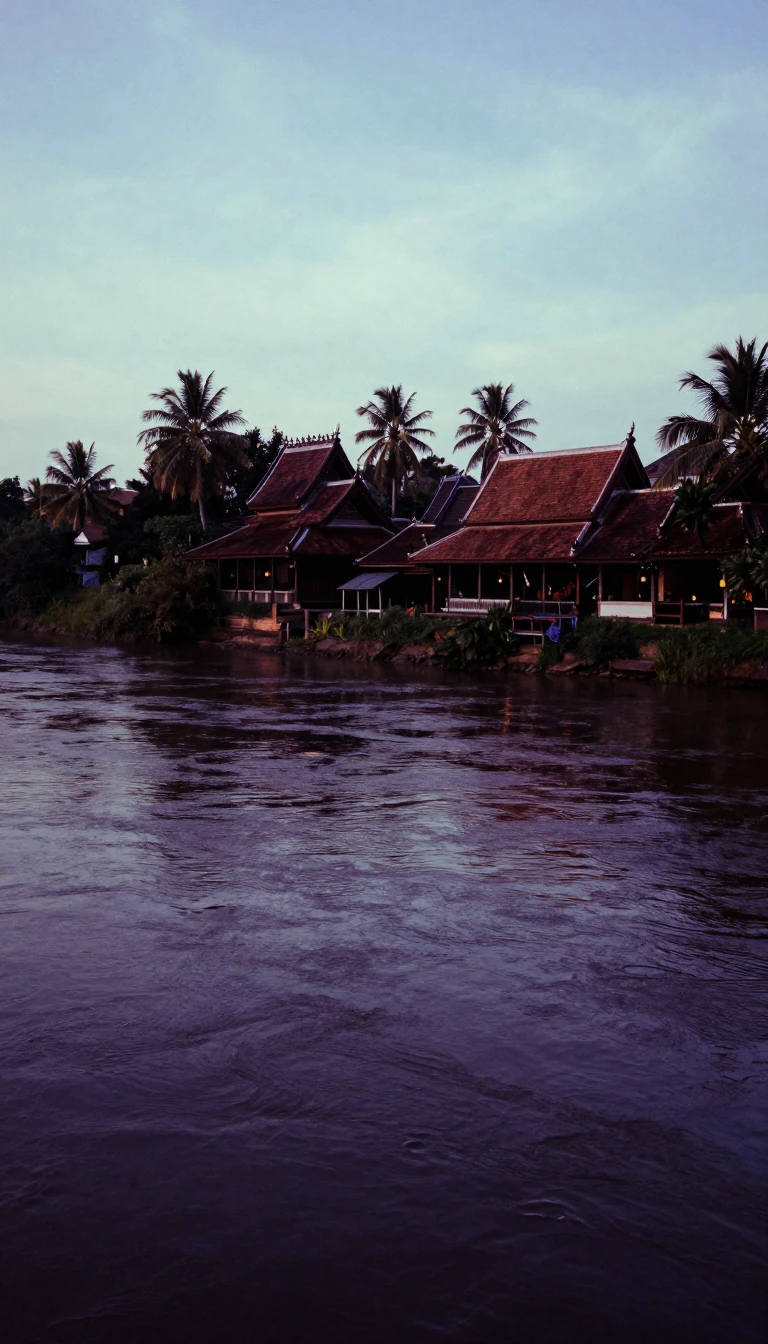
In short: Before becoming a modern Indonesian province, Banten was a global maritime nexus. From the 7th-century influence of the Srivijaya Empire to a dominant sultanate fueled by the pepper trade, this western Javan territory has navigated centuries of shifting empires, colonial monopolies, and religious transformations.
Banten’s strategic position on the Sunda Strait made it a vital link in the ancient maritime routes between China and India. While significant written records only date back to the 16th century, the region likely served as an international trading hub as early as the 7-century CE. For several centuries, the area fell under the influence of the Buddhist Srivijaya Empire, followed by the Hindu-led kingdom of Pajajaran in the mid-14th century.
The religious and political landscape shifted dramatically in the late 15th and early 16th centuries. As Muslim traders—primarily interested in the pepper trade—moved into the port, they gradually displaced the existing Hindu elite. This era saw the rise of the Banten Sultanate, founded by its first sultan, Hasanuddin. The sultanate expanded its reach, even conquering parts of southern Sumatra by the start of the 17th century.
European powers soon arrived, competing for control of the lucrative spice markets. While the Portuguese, British, and Dutch all sought dominance, the Dutch East India Company (VOC) eventually secured a monopoly, absorbing the sultanate via treaty in 1684. Following the VOC's dissolution in 1799, the region transitioned through various forms of Dutch colonial rule, including the establishment of the Bantam Residency in 1808, until the modern province was officially carved out from West Java on October 17, 2000.
Today, the province is a diverse landscape of industrial hubs and ancient forests. While the northeast near Jakarta is highly urbanized, the south remains more traditional. The Ujung Kulon National Park, a UNESCO World Heritage site since 1991, preserves the last primary lowland rainforests on Java and provides a sanctuary for the rare Javan rhinoceros.
Opens the Intellect+ feed with this card first. Swipe up for the next one.
Sources
- Summary by Intellect · source: Banten | History, Culture & Tourism in Indonesia | Britannica
- Also: Banten
To cite this card, link to https://intellectplus.co.uk/app/places-banten.
How we source, check and correct cards: Editorial standards.
General information, not professional advice. Spotted an error? Flag the card or see corrections and complaints.
Intellect Plus is a visual educational discovery platform for exploring fascinating facts and ideas. Brain Food, Not Brain Rot. What is Intellect Plus?
Related
More in Regions and country subdivisions · More in Countries & Cities · Latest · A–Z · All topics
