A rugged peninsula once mistaken for an island is now Mexico's youngest state.
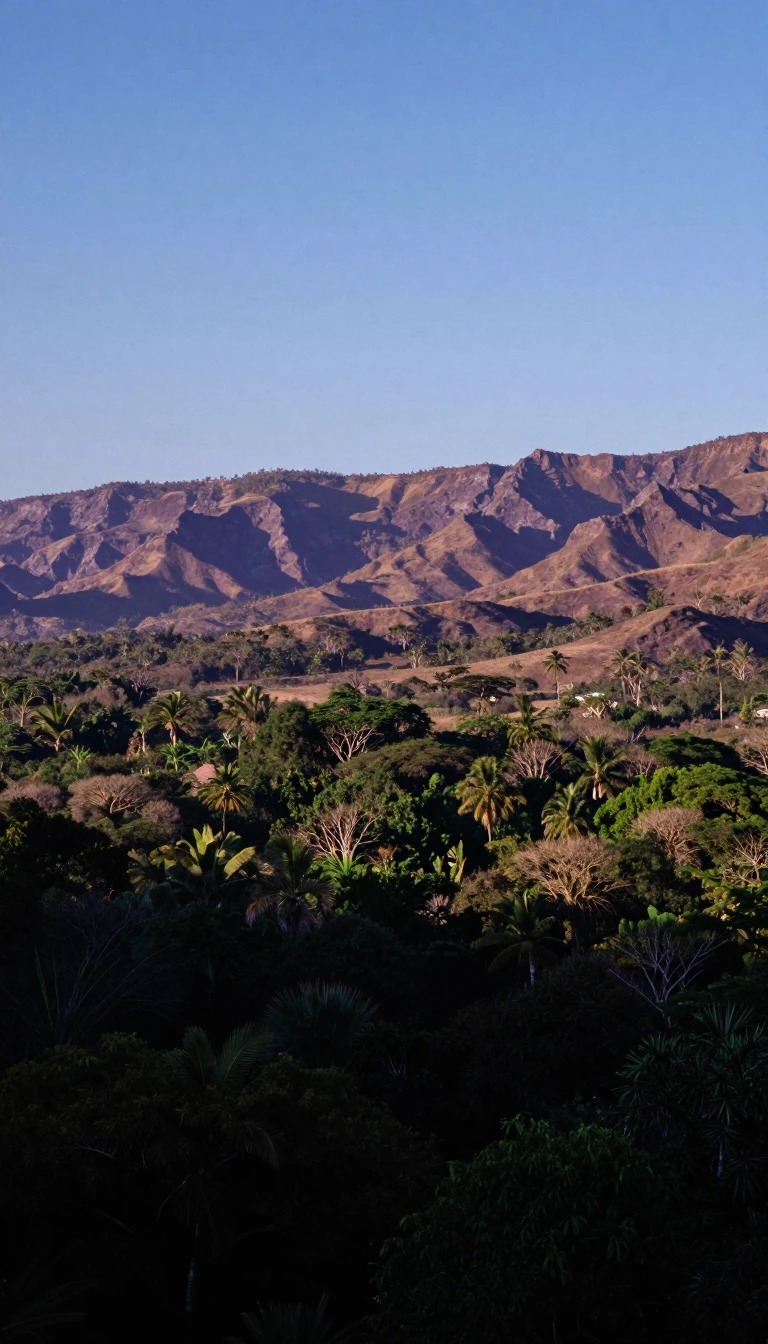
In short: Occupying the southern half of the Baja California peninsula, this sparsely populated region was long considered an isolated frontier. From its early days as a Spanish territory to its 1974 statehood, the area has evolved from a remote outpost into a global hub for tourism, whale sanctuaries, and ancient rock art.
The history of Baja California Sur is marked by a persistent sense of isolation. Following the initial Spanish arrival in 1533, the region remained largely disconnected from the mainland, a remoteness that deterred colonization for over a century. Early explorers even mistakenly identified the peninsula as an island, a misconception that persisted for years. It was not until 1697 that Jesuit missionary Juan María de Salvatierra established the first permanent mission at Loreto, marking the beginning of a slow, often difficult integration into the Spanish colonial sphere.
The modern political identity of the region emerged much later. After being divided into federal districts in 1887 and redesignated as territories in 1931, the southern half of the peninsula finally achieved statehood on October 8, 1974. Today, the state is governed by an elected governor serving a single six-year term and a unicameral legislature. This political structure oversees a landscape defined by dormant volcanoes and a rugged, arid terrain that has historically limited large-scale agriculture, leaving cattle raising and subsistence farming as traditional staples in its more remote corners.
Despite its isolation, the state has become a significant economic player through tourism and environmental preservation. The completion of the Transpeninsular Highway in 1973 transformed access to the southern tip, connecting the U.S.-Mexico border to Cabo San Lucas. Today, the region is celebrated for its biodiversity, including the UNESCO-designated whale sanctuaries at Sebastián Vizcaíno Bay. Furthermore, the state holds deep archaeological significance; sites like the Great Mural Rock Art, dating back to 1700 BCE, reveal a long history of human occupation by hunter-gatherer societies, long before the arrival of the Spanish missions that would eventually reshape the peninsula's demographic and cultural landscape.
Opens the Intellect+ feed with this card first. Swipe up for the next one.
Sources
- Summary by Intellect · source: Baja California Sur | State in Mexico, Baja California Peninsula | Britannica
- Also: Baja California Sur
To cite this card, link to https://intellectplus.co.uk/app/places-baja-california-sur.
How we source, check and correct cards: Editorial standards.
General information, not professional advice. Spotted an error? Flag the card or see corrections and complaints.
Intellect Plus is a visual educational discovery platform for exploring fascinating facts and ideas. Brain Food, Not Brain Rot. What is Intellect Plus?
Related
More in Regions and country subdivisions · More in Countries & Cities · Latest · A–Z · All topics
