The village that survived the ruins of a British military attack
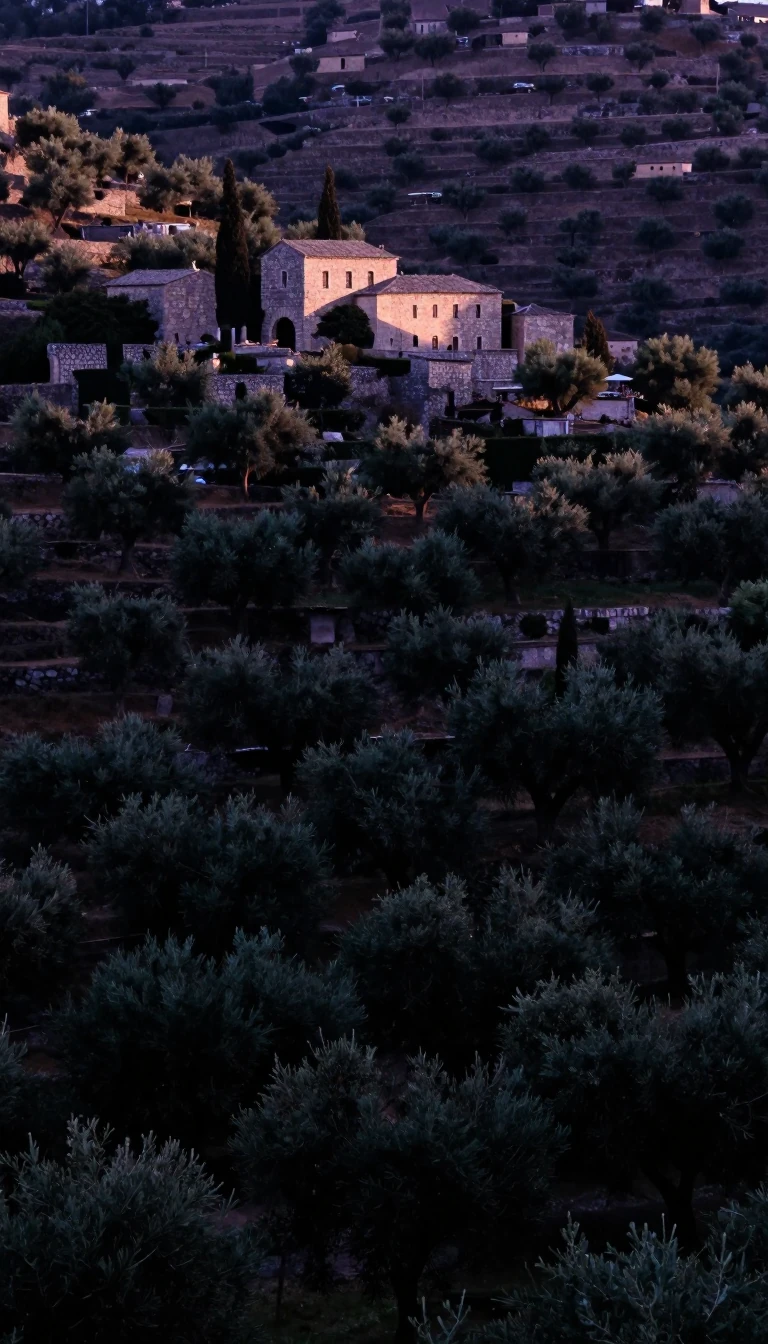
In short: In 1938, the residents of Baqa al-Gharbiyye returned from forced exile to find their homes destroyed. Today, this Israeli-Arab city stands as a complex industrial and commercial hub, shaped by centuries of shifting empires, from the Ottoman era to the modern Green Line.
The history of Baqa al-ragbiyye is a palimpsest of ancient and imperial layers. Archaeological evidence reveals a long human presence, with pottery remains dating from the Intermediate Bronze Age through the Hellenistic and Iron Age II periods. The landscape has long been productive, evidenced by the discovery of an ancient olive press and winepress likely from the Hellenistic or Early Roman era, as well as burial caves from the Byzantine and early Umayyad periods.
During the 16th century, the village was part of the Ottoman Empire and the Turabay Emirate. Ottoman tax registers from 1596 provide a granular glimpse into its past: the village then consisted of just five Muslim households. These residents paid a 33.3% tax rate on various agricultural products, including wheat, barley, goats, and beehives, totaling 12,000 akçe. Notably, half of this revenue was allocated to the waqf of al-Haramayn as-Sarifayn.
The 20th century brought profound upheaval. During the 1936–1939 Arab revolt, the village faced strict British martial law. Following a clash on August 25, 1938, in which British officers were killed, the British ordered the entire population to evacuate. When the villagers returned the following day, they found their homes in ruins—one of the most significant British attacks on a Palestinian village during the revolt.
In the decades following Israeli independence, the city's geography and administration continued to shift. While its land holdings were reduced from 21,116 dunams in 1945 to 8,228 dunams by 1962 due to expropriation, the city has grown into a significant regional center. Today, it is a commercial hub with over 400 workshops, though it remains physically divided from its West Bank sister city, Baqa ash-Sharqiyya, by the Israeli West Bank barrier.
Opens the Intellect+ feed with this card first. Swipe up for the next one.
Sources
- Summary by Intellect · source: Baqa al-Gharbiyye
- Also: Wikidata — Baqa al-Gharbiyye · CC0
- Also: Wikidata — Baqa al-Gharbiyye Library · CC0
To cite this card, link to https://intellectplus.co.uk/app/places-baqa-al-gharbiyye.
How we source, check and correct cards: Editorial standards.
General information, not professional advice. Spotted an error? Flag the card or see corrections and complaints.
Intellect Plus is a visual educational discovery platform for exploring fascinating facts and ideas. Brain Food, Not Brain Rot. What is Intellect Plus?
Related
More in Asia · More in Countries & Cities · Latest · A–Z · All topics
