A surprise naval attack in 1904 changed the rules of modern warfare forever
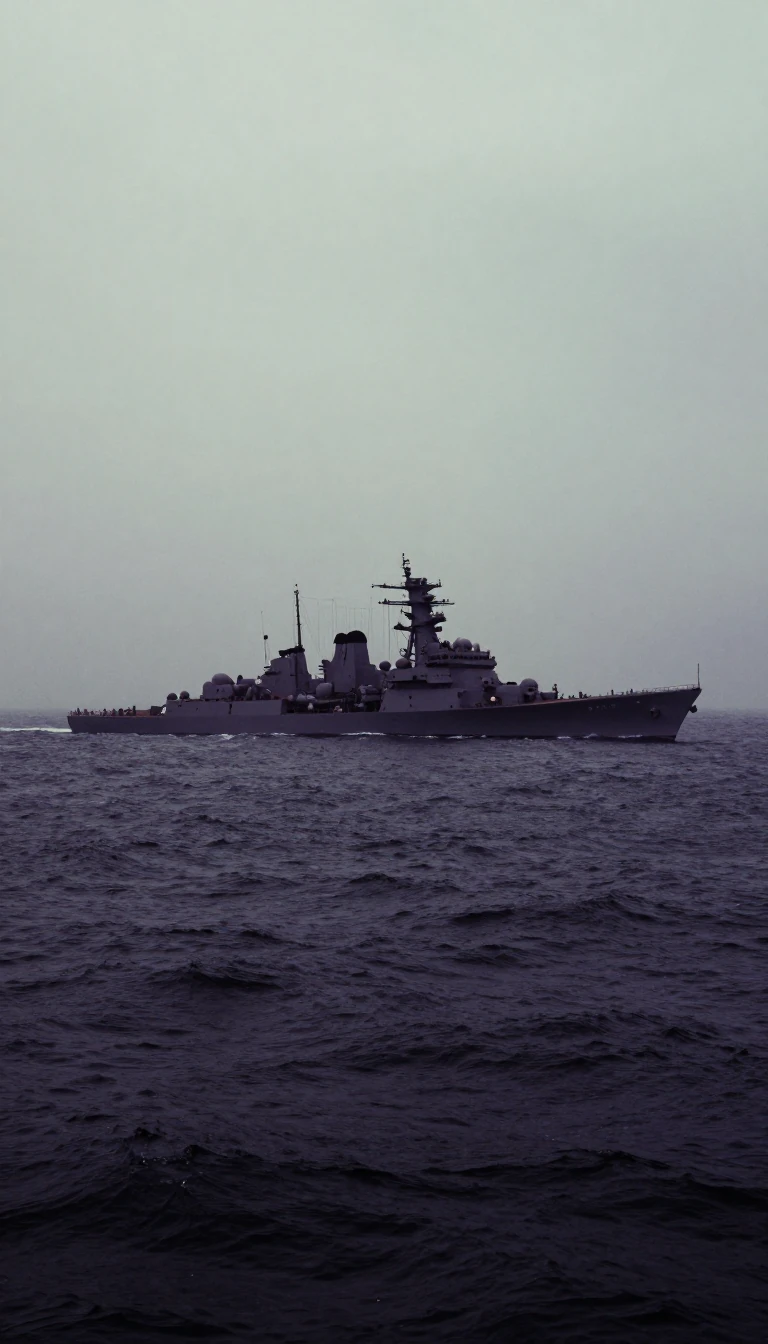
In short: When Japanese destroyers launched a surprise torpedo strike on the Russian fleet at Port Arthur, they bypassed diplomatic norms and ignited the Russo-Japanese War. This clash, often compared to the later attack on Pearl Harbor, exposed the lethal vulnerability of battleships to mines and redefined the laws of neutral engagement.
On the night of 8–9 February 1904, the Imperial Japanese Navy launched a pre-emptive strike against the Russian Pacific Fleet anchored at Port Arthur. Admiral Tōgō, hoping to deliver a crushing blow, split his destroyer force to target both Port Arthur and the nearby base at Dalny. While the attack caught the Russian officer corps off-guard during a party, the Japanese success was limited; most torpedoes were snagged by defensive nets, leaving the Russian fleet largely intact despite damage to the Retvizan, Tsesarevich, and Pallada.
The conflict escalated on 9 February when Admiral Tōgō, misled by reconnaissance reports suggesting the Russian fleet was paralyzed, ordered his main battle fleet to engage. The Japanese were met with heavy fire from Russian shore batteries and battleships, forcing a retreat. This tactical failure highlighted the risks of attacking fortified positions. The engagement resulted in 150 Russian casualties and 90 Japanese, with no major warships lost on either side, yet it set a precedent for the brutal, mine-heavy naval warfare that would follow throughout 1904.
The strategic landscape shifted with the arrival of Admiral Stepan Makarov in March 1904, who briefly revitalized Russian morale. However, the war turned increasingly treacherous due to extensive mining. In April, the battleship Petropavlovsk struck mines and sank, killing Makarov. By May, Japan suffered its own devastating losses when the battleships Yashima and Hatsuse were destroyed by mines. These events forced a global reckoning; by 1907, the Second Hague Conference established new international laws requiring formal declarations of war, a direct response to the surprise nature of the 1904 hostilities.
The legacy of Port Arthur extends beyond military history into the evolution of international law. The conflict demonstrated that naval superiority could be neutralized by stationary defenses and hidden hazards like mines. The failure to secure a decisive victory early on led to a prolonged siege, illustrating the limitations of pre-dreadnought fleets when faced with modern, fortified coastal defenses and the unpredictable nature of maritime sabotage.
Opens the Intellect+ feed with this card first. Swipe up for the next one.
Sources
- Summary by Intellect · source: Battle of Port Arthur
- Also: Wikidata — The Battle of Port Arthur · CC0
To cite this card, link to https://intellectplus.co.uk/app/places-battle-of-port-arthur.
How we source, check and correct cards: Editorial standards.
General information, not professional advice. Spotted an error? Flag the card or see corrections and complaints.
Intellect Plus is a visual educational discovery platform for exploring fascinating facts and ideas. Brain Food, Not Brain Rot. What is Intellect Plus?
Related
More in Asia · More in Countries & Cities · Latest · A–Z · All topics
