How a medieval fortress became a modern frontline in the mountains of Lebanon
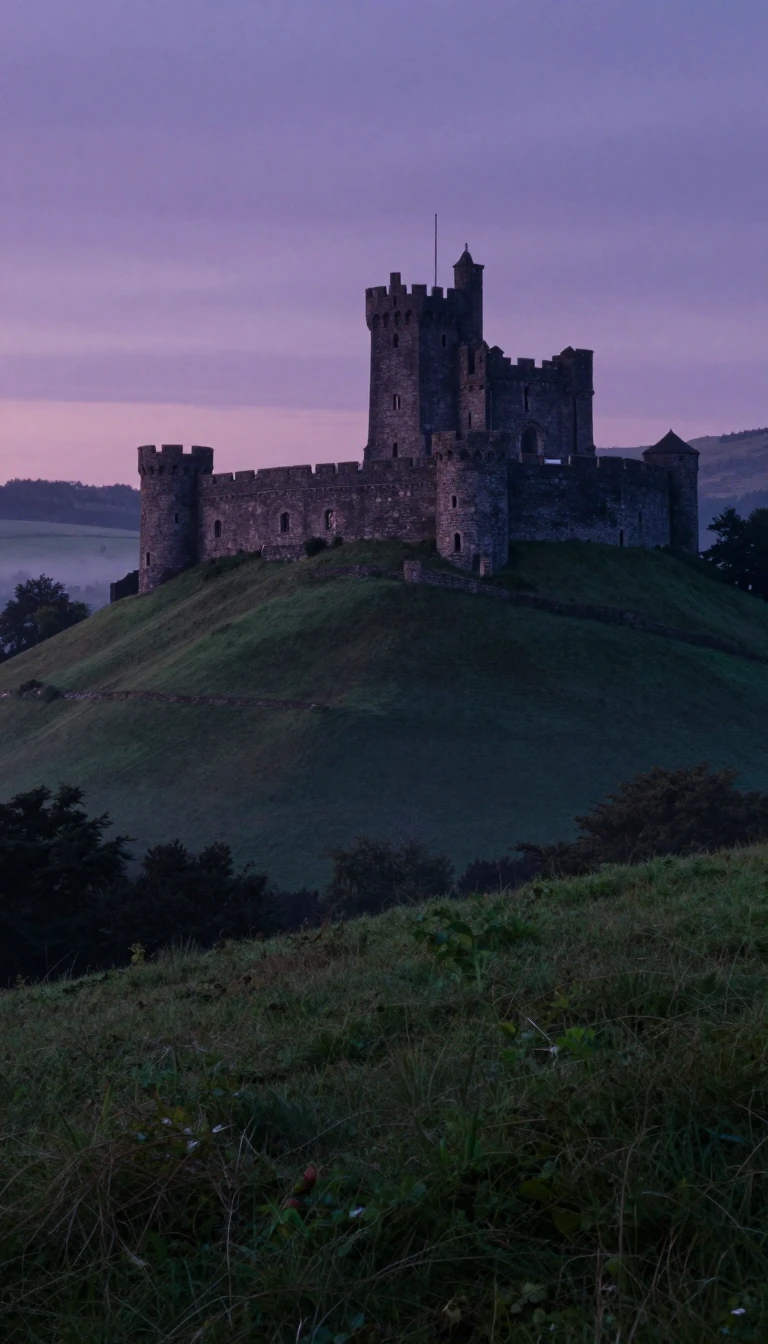
In short: Perched on a 300-metre cliff, Beaufort Castle has served as a strategic military stronghold for nearly a millennium. From Crusader knights and Mamluk sultans to 20th-century militias and modern armies, this ancient stone sentinel remains a contested prize, proving that geography dictates history long after the original builders depart.
Known locally as Qal'at al-Shaqif, or 'Castle of the Steep Cliff,' Beaufort occupies a commanding position overlooking the Litani River in Southern Lebanon. While its origins remain obscured by a lack of contemporary records prior to 1139, the site was clearly chosen for its natural defenses. When Fulk, King of Jerusalem, captured the fortification in 1139, he initiated a period of Crusader construction that would define the castle's layout. The fortress is roughly triangular, featuring a massive keep and a design that adapted European architectural traditions to the rugged Syrian landscape, notably utilizing ground-floor entrances rather than the elevated entries common in Europe.
The castle’s history is a cycle of capture and transformation. Saladin famously besieged the site in 1189, eventually securing its surrender in 1190 after a protracted diplomatic and military struggle. It passed through the hands of the Knights Templar and the Mamluk sultan Baibars in 1268, before falling under Ottoman influence in the 16th century. By the 19th century, the structure had suffered significant damage from conflict and the 1837 Galilee earthquake, eventually serving as a quarry and sheep shelter. Despite this, the site remained a focus for historians like Paul Deschamps, who documented its architecture before modern warfare further altered its form.
In the late 20th and early 21st centuries, Beaufort’s strategic value was violently reaffirmed. Held by the PLO in the 1970s and used as an Israeli military base from 1982 to 2000, the castle became a frequent target for shelling and suicide bombings. Its status as a cultural landmark remains precarious; while UNESCO designated it a World Heritage Site in July 2026, it was simultaneously classified as endangered. Recent conflicts in 2024 and 2026 have resulted in direct damage to the ruins, highlighting the ongoing tension between preserving this medieval relic and its persistent role as a tactical vantage point in regional warfare.
Opens the Intellect+ feed with this card first. Swipe up for the next one.
Sources
- Summary by Intellect · source: Beaufort Castle, Lebanon
- Also: Wikidata — Beaufort Castle · CC0
- Also: Wikidata — Beaufort Castle, Lebanon; conservation versus restoration project · CC0
To cite this card, link to https://intellectplus.co.uk/app/places-beaufort-castle-lebanon.
How we source, check and correct cards: Editorial standards.
General information, not professional advice. Spotted an error? Flag the card or see corrections and complaints.
Intellect Plus is a visual educational discovery platform for exploring fascinating facts and ideas. Brain Food, Not Brain Rot. What is Intellect Plus?
Related
More in World Heritage Sites · More in Countries & Cities · Latest · A–Z · All topics
