Beneath the Judaean Foothills lies a vast, man-made labyrinth of chalkstone bell caves.
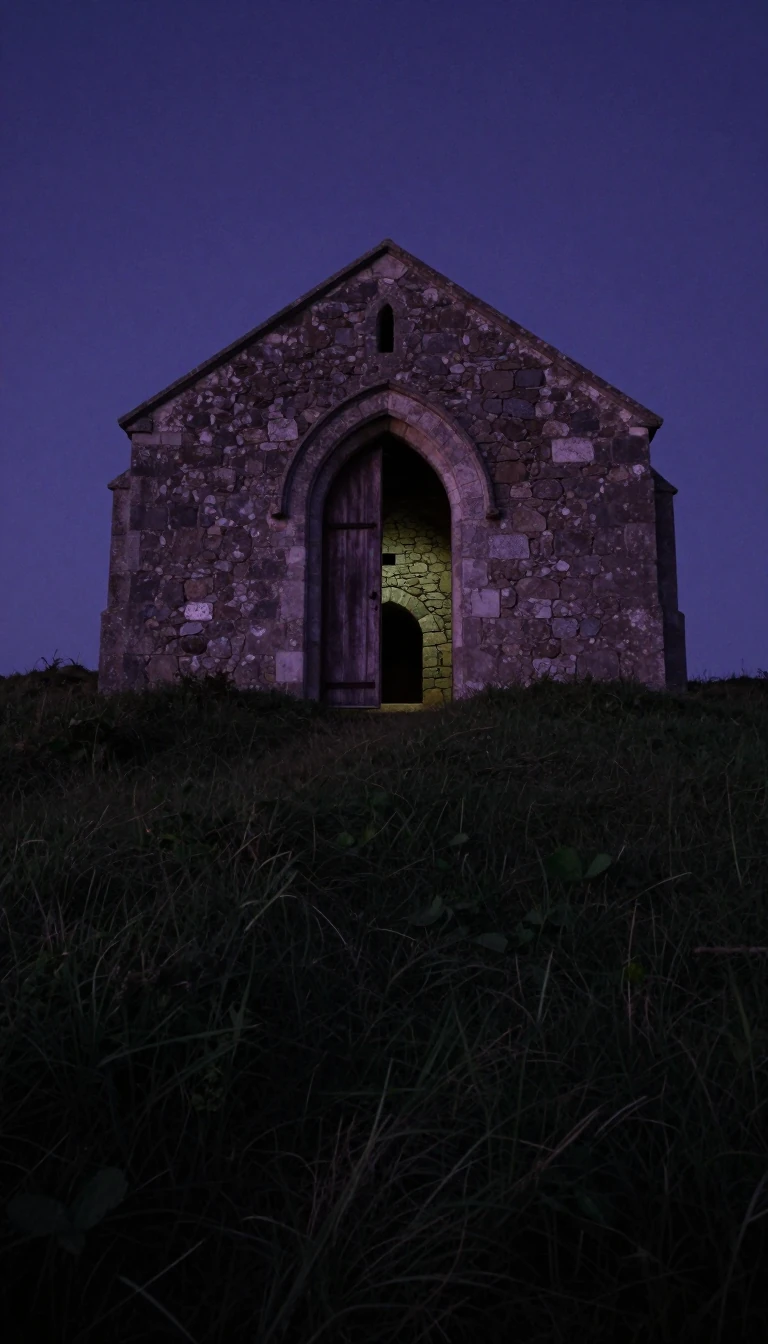
In short: Beit Guvrin-Maresha National Park preserves a dual history of two ancient towns. While the surface reveals Roman amphitheaters and Crusader fortresses, the true marvel lies underground: hundreds of interconnected bell-shaped caves, carved into soft chalkstone, once used for everything from pigeon farming to sheltering entire subterranean city dwellings.
The park, a UNESCO World Heritage Site, encompasses the remains of two distinct historical settlements. Maresha, an Iron Age town of the Kingdom of Judah, thrived through the Persian and Hellenistic periods before its destruction by Parthians in 40 BCE. Its successor, Beit Guvrin, rose from a nearby suburb to become a major regional hub, eventually elevated to city status as Eleutheropolis in 200 CE by Septimius Severus. The site’s layered history reflects centuries of conquest, from the Maccabean Revolt and Roman suppression of the Bar Kochba rebellion to Crusader rule.
The landscape is defined by its unique geology. Beneath a thin layer of limestone lies soft, beige chalkstone, which early inhabitants exploited to carve out an extensive network of roughly 800 bell-shaped caves. These structures served diverse functions: some were industrial, housing olive presses and water cisterns, while others were dedicated to columbaria, where hundreds of niches provided homes for brooding pigeons. The most intricate dwellings, such as the 'Maze' cave, featured staircases and passageways that extended far beyond the city’s surface walls.
Archaeological excavations, notably those led by Amos Kloner after 1989 and 1992, have unearthed remarkable artifacts that illuminate the daily lives of the region's diverse inhabitants. These include the painted Sidonian burial caves—featuring mythological figures like Cerberus and the phoenix—and a 2nd-century Roman amphitheater capable of seating 3,500 spectators. Excavators have also recovered hundreds of animal knucklebone dice used for divination 2,300 years ago and the Heliodorus Stele, which provides critical historical context for the events commemorated during Hanukkah. These findings collectively reveal a sophisticated society that thrived at the intersection of Greek, Sidonian, Edomite, Jewish, and Roman cultures.
Opens the Intellect+ feed with this card first. Swipe up for the next one.
Sources
- Summary by Intellect · source: Beit Guvrin-Maresha National Park
To cite this card, link to https://intellectplus.co.uk/app/places-beit-guvrin-maresha-national-park.
How we source, check and correct cards: Editorial standards.
General information, not professional advice. Spotted an error? Flag the card or see corrections and complaints.
Intellect Plus is a visual educational discovery platform for exploring fascinating facts and ideas. Brain Food, Not Brain Rot. What is Intellect Plus?
Related
More in World Heritage Sites · More in Countries & Cities · Latest · A–Z · All topics
