Why did ancient Jews from Yemen to Turkey seek burial in a Galilean hillside?
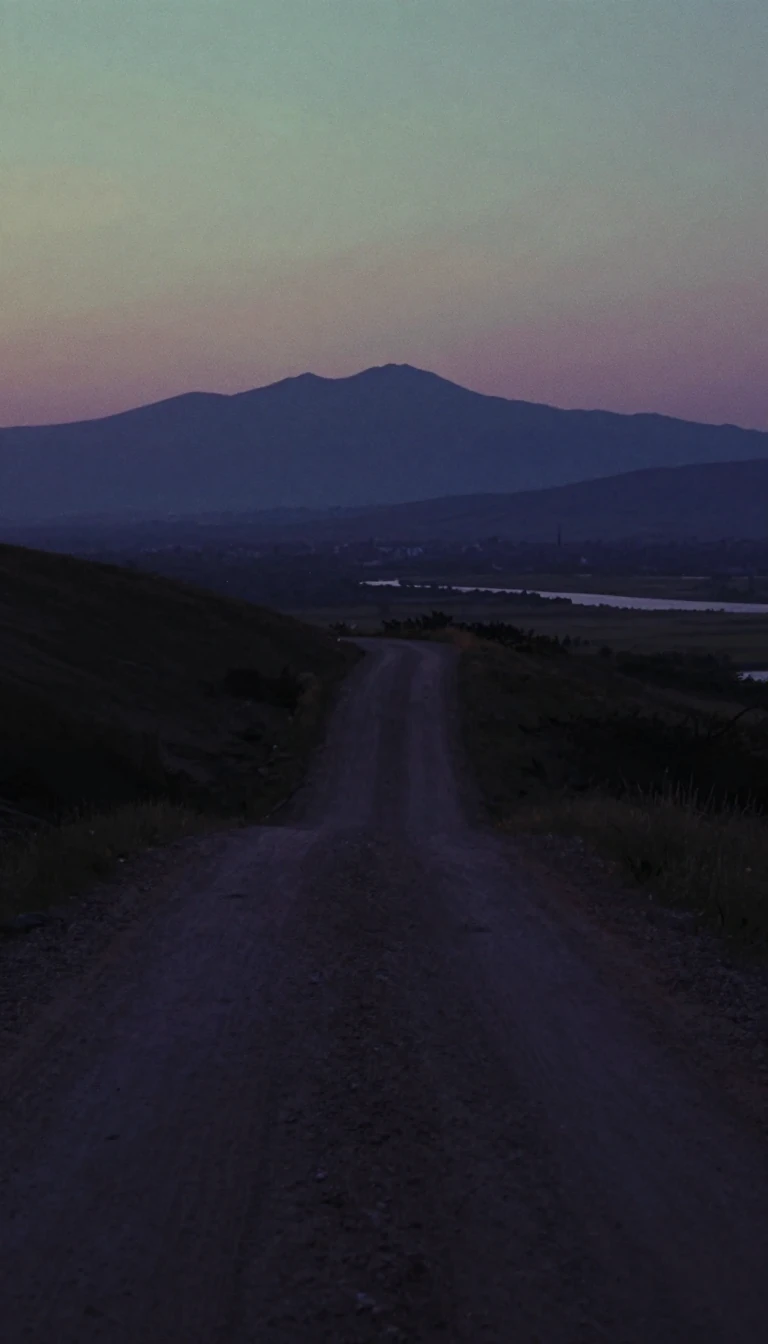
In short: Beit She'arim, a sprawling rock-cut necropolis in the Lower Galilee, became a premier final resting place for the Jewish diaspora in late antiquity. Driven by the presence of the Sanhedrin and the tomb of Rabbi Judah the Prince, people traveled thousands of miles to be interred in this limestone sanctuary.
Founded during the reign of King Herod in the late 1st century BCE, Beit She'arim evolved from an administrative center into a profound spiritual hub. Its transformation peaked in the 2nd century CE when the Sanhedrin, the supreme Jewish council, relocated to the town. The burial of Rabbi Judah the Prince, the compiler of the Mishnah, cemented the site's prestige. For Jews barred from Jerusalem after 135 CE, this necropolis offered a sacred alternative, drawing families from as far as Palmyra, Antioch, and Himyar in Yemen.
Archaeologists have uncovered over 20 catacombs carved into the soft limestone, featuring elaborate sarcophagi and nearly 300 inscriptions in Greek, Hebrew, Aramaic, and Palmyrene. These markers reveal a unique cultural synthesis; many epigrams are lifted directly from Homeric poems, reflecting a strong Hellenistic influence alongside traditional Jewish symbols. The site functioned as a 'book inscribed in stone,' documenting centuries of historical achievement and the deep-seated desire of the diaspora to be buried in their ancestral land.
The necropolis faced centuries of neglect and pillaging, with grave robbers likely breaking into tombs during the 8th and 9th centuries. Later, the site saw diverse uses, including as a refuge for shepherds during the Mamluk Sultanate and the location of a massive 9th-century Abbasid glassmaking facility. Today, the site is managed by the National Parks Authority and was designated a UNESCO World Heritage Site in 2015, preserving the remnants of a complex history that spans from the Iron Age to the modern era.
Excavations, which began in earnest in the 1930s under Benjamin Mazar and Nahman Avigad, continue today under the University of Haifa. Researchers are now shifting focus from the well-studied catacombs to the ancient town itself, which sits on the hilltop above. This ongoing work promises to further illuminate how Beit She'arim functioned not just as a cemetery, but as a vibrant, living center of learning and administration.
Opens the Intellect+ feed with this card first. Swipe up for the next one.
Sources
- Summary by Intellect · source: Beit She'arim necropolis
- Also: Wikidata — Beit She'arim National Park · CC0
To cite this card, link to https://intellectplus.co.uk/app/places-beit-she-arim-necropolis.
How we source, check and correct cards: Editorial standards.
General information, not professional advice. Spotted an error? Flag the card or see corrections and complaints.
Intellect Plus is a visual educational discovery platform for exploring fascinating facts and ideas. Brain Food, Not Brain Rot. What is Intellect Plus?
Related
More in World Heritage Sites · More in Countries & Cities · Latest · A–Z · All topics
