Is the Black Forest a natural wilderness or a carefully managed industrial landscape?
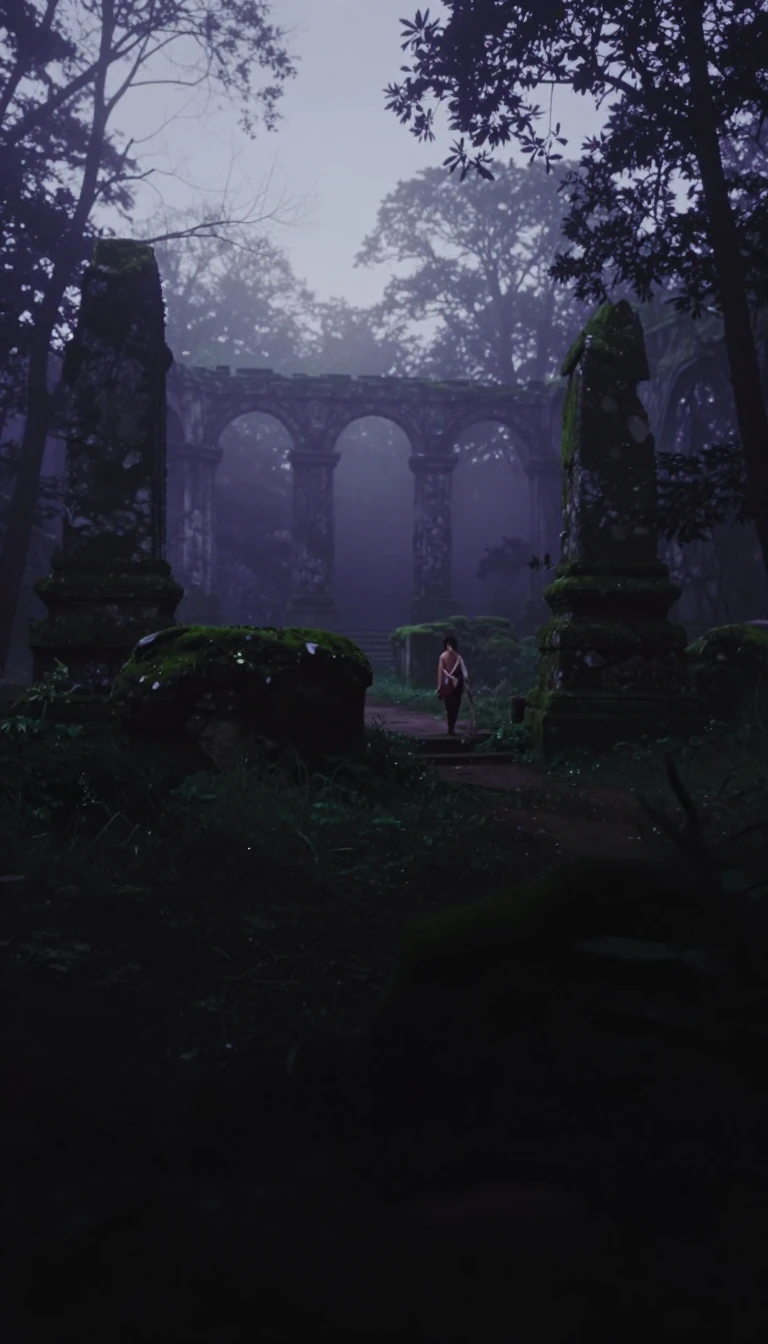
In short: Spanning 2,320 square miles in southwestern Germany, the Black Forest is famous for its dense, dark canopy. Yet, this iconic region is not a pristine ancient woodland. It is a landscape shaped by centuries of intensive human intervention, from Roman-era mining to modern forestry practices that fundamentally altered its ecology.
The Black Forest, located in the state of Baden-Wurttemberg, serves as the vital source for both the Danube and Neckar rivers. Stretching about 100 miles from the Swiss border at Sackingen to Durlach, the region occupies a substantial 2,320 square miles. While often romanticized as a timeless wilderness, the area has a long history of human exploitation. In antiquity, the forest was known as Abnoba mons, and during Roman times, it functioned as a strategic border zone. Colonization efforts by the Alemanni tribes eventually pushed settlement deep into the valleys, moving beyond the initial red sandstone boundaries by the 10th century.
The forest's current appearance is largely a product of the 19th century. Intensive logging had left the region almost entirely deforested by the middle of that century. In a massive effort to restore timber production, the area was replanted primarily with spruce monocultures. This shift created the dense, uniform coniferous woods that define the modern image of the forest, but it also introduced significant ecological vulnerabilities. The reliance on these monocultures became painfully apparent when severe weather events, such as the 1990 windstorms and the devastating 1999 Cyclone Lothar, caused widespread destruction across the timber stands.
Today, the Black Forest is a center for tourism, supporting approximately 300,000 jobs. Following the damage caused by major storms, some areas were left to recover naturally, allowing for the re-emergence of mixed forests. This transition highlights the ongoing tension between the region's history as an industrial resource and its contemporary value as a natural landscape. From the remnants of 17th-century military fortifications to the educational trails that document the impact of hurricanes, the forest remains a complex, evolving site where the legacy of human activity is etched into the very terrain.
Opens the Intellect+ feed with this card first. Swipe up for the next one.
Sources
- Summary by Intellect · source: Black Forest | Description, Map, & Facts | Britannica
- Also: Black Forest
- Also: Black Forest
To cite this card, link to https://intellectplus.co.uk/app/places-black-forest.
How we source, check and correct cards: Editorial standards.
General information, not professional advice. Spotted an error? Flag the card or see corrections and complaints.
Intellect Plus is a visual educational discovery platform for exploring fascinating facts and ideas. Brain Food, Not Brain Rot. What is Intellect Plus?
Related
More in Vegetation features · More in Countries & Cities · Latest · A–Z · All topics
