Brazil's Atlantic Forest is a biodiversity hotspot that has lost 88% of its habitat.
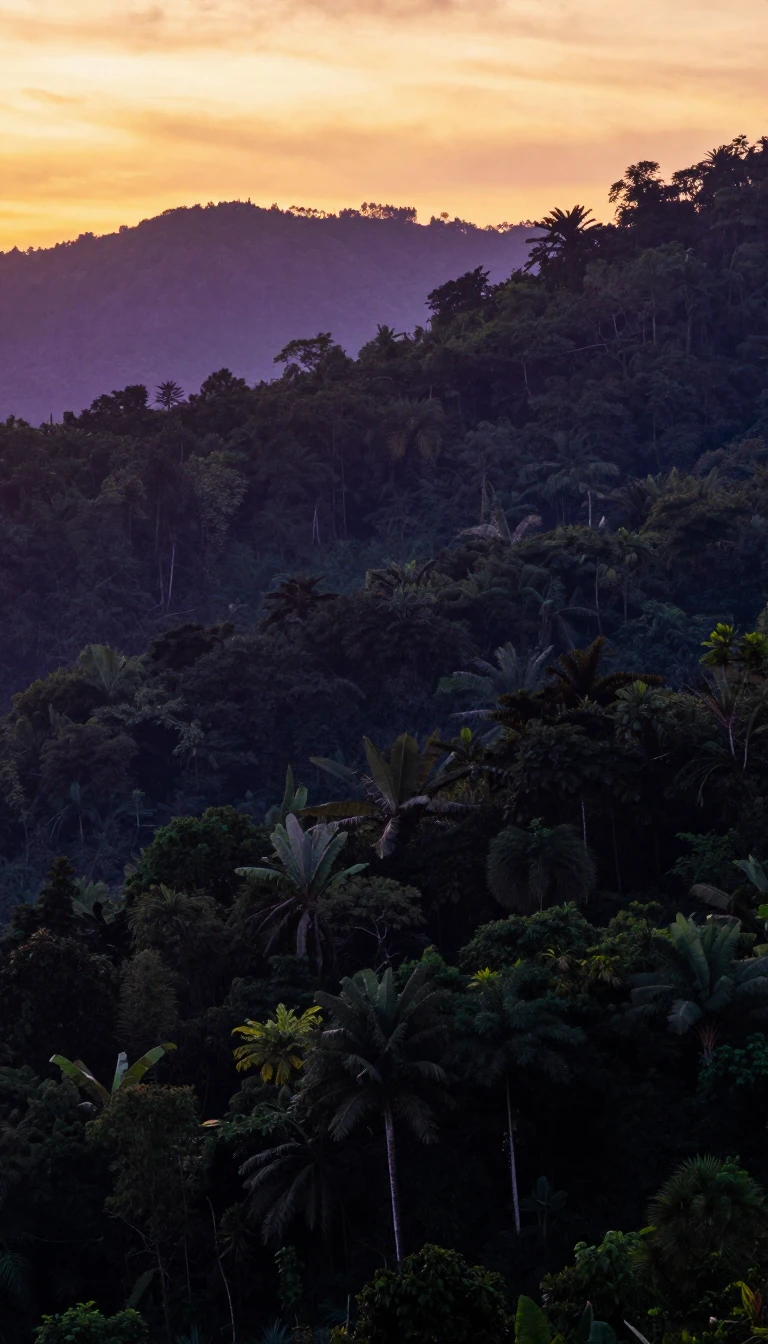
In short: Once the second-largest rainforest on Earth, the Atlantic Forest is a complex mosaic of ecosystems stretching from Brazil to Argentina. Despite losing nearly nine-tenths of its original cover to colonial expansion and modern agriculture, it remains a global center for endemism, harboring thousands of species found nowhere else on Earth.
The Atlantic Forest (Mata Atlântica) is a vast, diverse biome that historically covered approximately 1.3 million square kilometers by the time of European contact around 1500 CE. Unlike equatorial rainforests, it extends into subtropical latitudes as far as 28°S, sustained by trade winds that provide consistent precipitation during the southern winter. This unique environment encompasses a wide range of forest types, from the coastal, dune-stabilized Restinga forests to the high-altitude Araucaria moist forests of southern Brazil.
The region's ecological history is marked by profound human influence. Indigenous populations managed 60–80% of the landscape before European arrival. Following colonization, the introduction of sugar plantations and the extraction of brazilwood (Paubrasilia echinata) initiated a cycle of deforestation that continues today. Currently, only about 12% of the original forest remains, with the rest replaced by urban areas, croplands, and cattle pastures. This fragmentation has triggered an extinction crisis, as isolated species—particularly large vertebrates—struggle with reduced gene flow and increased vulnerability to hunting and fire.
Despite these pressures, the forest remains a scientific marvel. It hosts around 20,000 plant species, with some locations containing nearly 450 tree species in a single hectare. Conservation efforts are now focused on reversing this decline through large-scale restoration. The Pact for Atlantic Forest Restoration aims to restore 15 million hectares by 2050, while initiatives like the Central Biodiversity Corridor seek to reconnect fragmented habitats. These projects, supported by organizations like the World Bank and various NGOs, represent a critical attempt to preserve one of the world's most threatened yet resilient biological treasures.
Opens the Intellect+ feed with this card first. Swipe up for the next one.
Sources
- Summary by Intellect · source: Atlantic Forest
- Also: Wikidata — Atlantic Forest · CC0
- Also: Wikidata — Atlantic Forest South-East Reserves · CC0
To cite this card, link to https://intellectplus.co.uk/app/places-atlantic-forest.
How we source, check and correct cards: Editorial standards.
General information, not professional advice. Spotted an error? Flag the card or see corrections and complaints.
Intellect Plus is a visual educational discovery platform for exploring fascinating facts and ideas. Brain Food, Not Brain Rot. What is Intellect Plus?
Related
More in Vegetation features · More in Countries & Cities · Latest · A–Z · All topics
