Beyond the over-water bungalows: the volcanic history and military secrets of Bora Bora
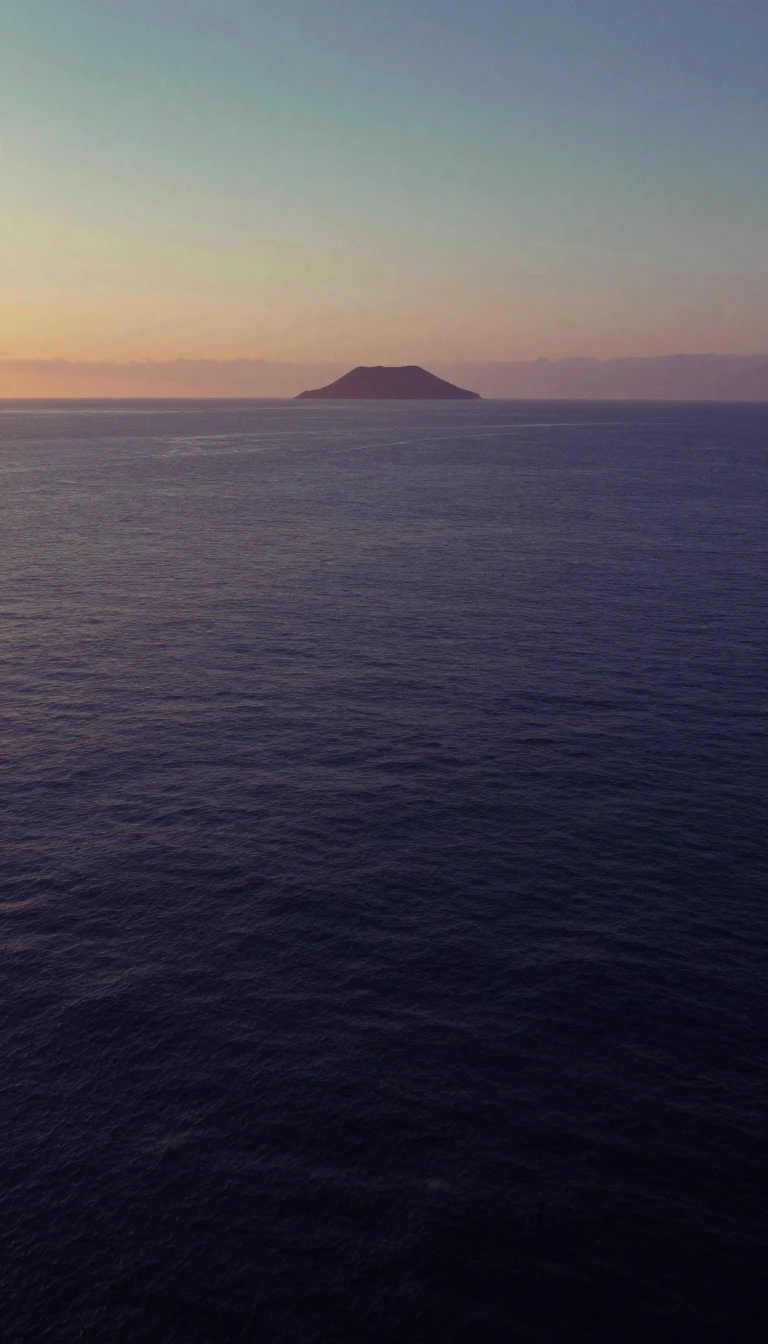
In short: Known globally for its luxury resorts and turquoise lagoons, Bora Bora is more than a tropical postcard. This French Polynesian island hides an extinct volcano, a history of independent royalty, and a massive, abandoned World War II military base that once hosted nearly 7,000 American soldiers.
Formed by volcanic activity between 3.45 and 3.10 million years ago, Bora Bora is the remnant of an extinct volcano. Its dramatic landscape is defined by two peaks, Mount Otemanu and Mount Pahia, which rise from the center of the island. The main island is encircled by a barrier reef and a lagoon, with a single natural opening to the ocean, the Teavanui Passage, which allows large vessels to enter. The island's unique geography, including islets known as motus, was shaped by erosion and the collapse of the volcano's southwestern crater edge.
Bora Bora was an independent kingdom until 1888, when France annexed the territory and forced Queen Teriimaevarua III to abdicate. Decades later, during World War II, the United States turned the island into a strategic South Pacific supply hub under Operation Bobcat. The military effort brought 18,000 tons of equipment and thousands of troops to the island, constructing an airstrip on Motu Mute and installing eight 7-inch coastal guns. Despite these extensive fortifications, the island saw no combat, and the base was closed in June 1946.
Today, the island's economy is almost entirely driven by tourism, a shift that began with the opening of the first resort in 1961 and the introduction of over-water bungalows in 1970. While visitors flock to the lagoon for shark and ray diving, the island also preserves remnants of its pre-colonial past, including ceremonial platforms known as marae. However, the island's ecological history is complex; the introduction of invasive species in the late 1990s led to the extinction of several endemic snail species that were once common in the island's virgin forests.
The population has seen steady growth, rising from 9,858 in 2012 to an estimated 10,605 by 2017. While French is the official language, Tahitian remains widely spoken, and English has become common due to the demands of the international tourism industry. The island remains a blend of its ancient Polynesian roots, colonial history, and modern luxury, all contained within a land area of less than 39 square kilometers.
Opens the Intellect+ feed with this card first. Swipe up for the next one.
Sources
- Summary by Intellect · source: Bora Bora
- Also: Wikidata — Bora Bora · CC0
- Also: Wikidata — Bora-Bora · CC0
To cite this card, link to https://intellectplus.co.uk/app/places-bora-bora.
How we source, check and correct cards: Editorial standards.
General information, not professional advice. Spotted an error? Flag the card or see corrections and complaints.
Intellect Plus is a visual educational discovery platform for exploring fascinating facts and ideas. Brain Food, Not Brain Rot. What is Intellect Plus?
Related
More in Islands · More in Countries & Cities · Latest · A–Z · All topics
