How a desperate Greek play saved a struggling English boarding school from total bankruptcy
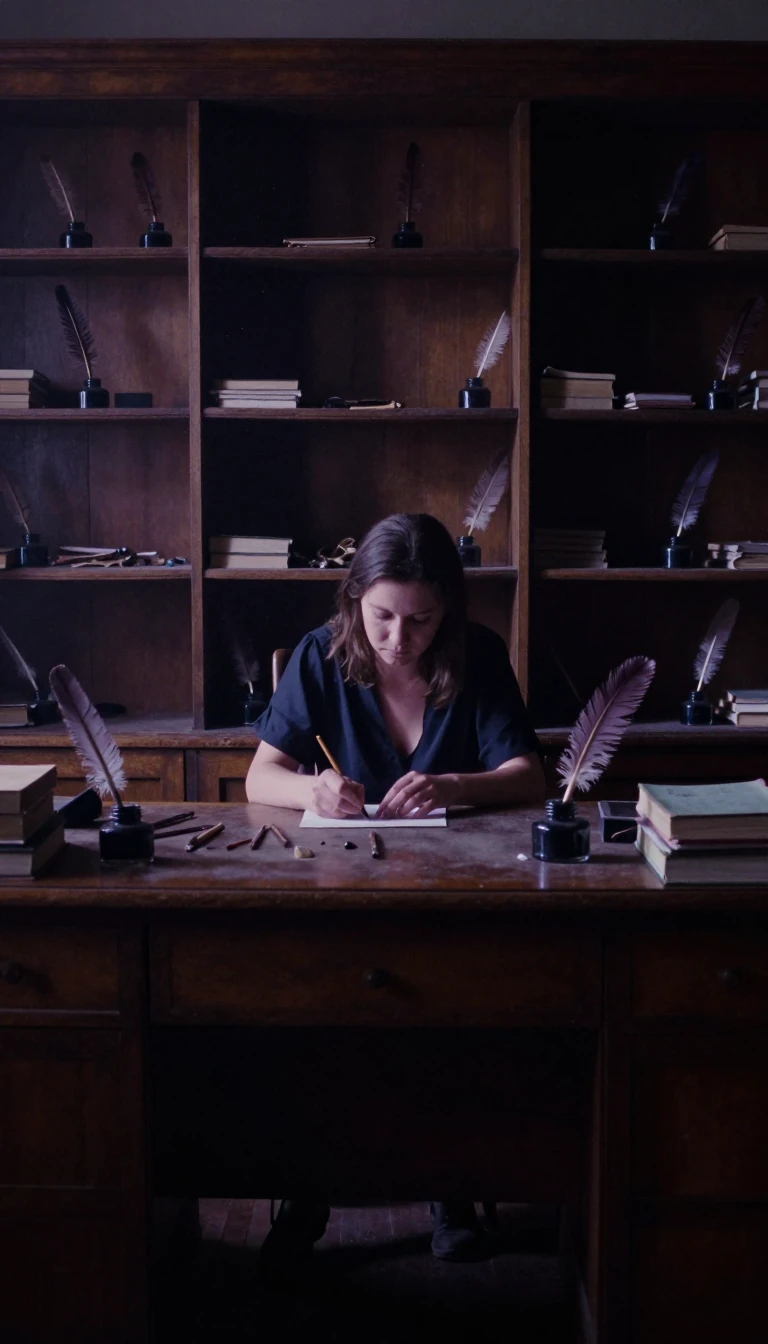
In short: Founded in 1850, Bradfield College nearly collapsed under heavy debt by 1880. Its salvation arrived in the form of an ambitious theatrical experiment: performing ancient Greek plays in a custom-built, open-air amphitheatre. This unconventional strategy transformed the school's fortunes, cementing a legacy that persists in modern academic and architectural innovation.
Thomas Stevens, the Rector of Bradfield, established the college in 1850 with the initial goal of educating a small group of boys from modest backgrounds. However, the institution struggled significantly in its early decades. By 1880, the school faced a severe financial crisis, with creditors petitioning for bankruptcy due to debts totaling £160,000. At the time, the school supported only 75 boys, far below the founder's original target of 300 students.
The turning point came under Headmaster Herbert Branston Gray, who sought to rescue the school through the arts. Inspired by a performance of Agamemnon at Balliol College, Oxford, Gray staged a production of Alcestis in 1881. This success led to the construction of an open-air Greek theatre in a disused chalk pit, modeled after the site at Epidaurus. The theatre opened in 1890 with a performance of Antigone, establishing a tradition of triennial Greek plays that continues to define the college's cultural identity.
Today, Bradfield College has evolved into a thriving co-educational institution for pupils aged 13 to 18. While it honors its history—including the restoration of its theatre and the conversion of the historic St Andrew's Church into a modern library—it has also embraced contemporary academic standards. Since 2012, the school has offered the International Baccalaureate Diploma Programme alongside traditional A Levels, and it maintains a commitment to sustainability, evidenced by the 2010 opening of the Blackburn Science Centre, which features solar panels and a green roof.
The school's resilience is reflected in its growth and its ability to adapt. From its near-collapse in the 19th century to its current status as a member of the prestigious Rugby Group, Bradfield has balanced its classical roots with modern educational demands. Whether through the unique challenge of performing Greek drama or the conversion of 14th-century architecture for modern study, the college remains a site of constant reinvention.
Opens the Intellect+ feed with this card first. Swipe up for the next one.
Sources
- Summary by Intellect · source: Bradfield College
- Also: Wikidata — Bradfield College · CC0
- Also: Wikidata — Bradfield College · CC0
To cite this card, link to https://intellectplus.co.uk/app/places-bradfield-college.
How we source, check and correct cards: Editorial standards.
General information, not professional advice. Spotted an error? Flag the card or see corrections and complaints.
Intellect Plus is a visual educational discovery platform for exploring fascinating facts and ideas. Brain Food, Not Brain Rot. What is Intellect Plus?
Related
More in Countries and other regions · More in Countries & Cities · Latest · A–Z · All topics
