How a medieval hall became a monument to civic independence
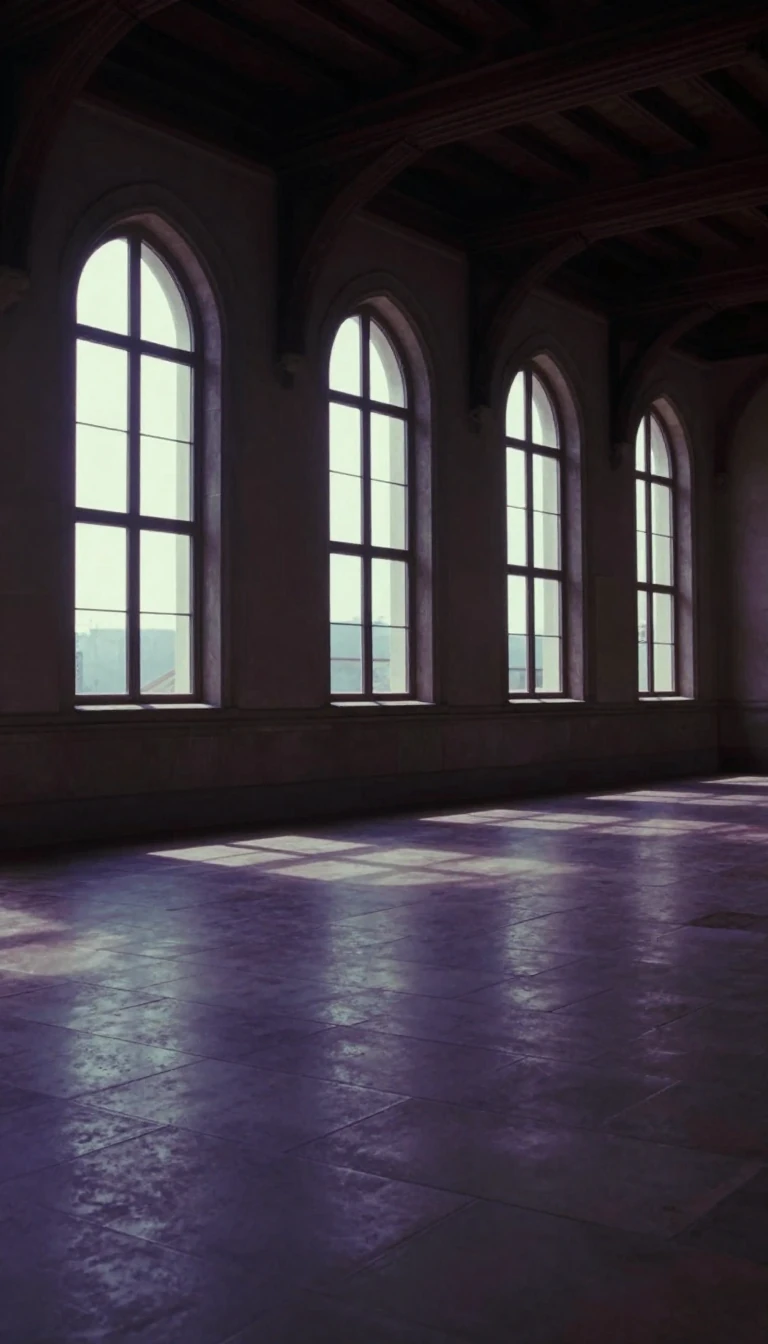
In short: In the heart of Germany, the Bremen City Hall stands as more than just architecture. It is a stone-carved declaration of power, built to prove that a rising merchant class could stand equal to the mighty archbishops of the Holy Roman Empire.
The origins of Bremen's civic center trace back to at least 1229, when the site was recorded as a 'show house.' Early structures likely utilized the Romanesque style, serving as a law court where, following old Saxon law, trials were held in open halls rather than closed rooms. By the 15th century, a new Gothic town hall was commissioned by leaders such as Johann Hemeling and Friedrich Wagner. This construction was a deliberate architectural competition; the new halls were designed to be slightly larger than the halls of the nearby episcopal palace, signaling the city's growing autonomy.
The building's facade underwent a dramatic transformation during Bremen's second economic boom. Between 1595 and 1612, the architect Lüder von Bentheim led a modernization that shifted the aesthetic from Gothic to Weser Renaissance. This included replacing pointed arches with large rectangular windows and adding a massive 'avant-corps' featuring slim columns and a Flemish Renaissance gable. The facade was further embellished with sculptures of emperors and philosophers, reinforcing Bremen's claim as an imperial city.
The complex continued to evolve through the centuries. A three-story Renaissance extension was added between 1545 and 1550, and by 1909, a massive 'New Town Hall' was constructed, nearly doubling the size of the original structure. Despite the heavy destruction of Bremen during World War II, the City Hall survived largely intact due to the heroic efforts of the fire brigade. Today, it remains a UNESCO World Heritage Site, recognized for its architectural significance and its role in documenting the development of civic freedom.
Opens the Intellect+ feed with this card first. Swipe up for the next one.
Sources
- Summary by Intellect · source: Bremen City Hall
To cite this card, link to https://intellectplus.co.uk/app/places-bremen-city-hall.
How we source, check and correct cards: Editorial standards.
General information, not professional advice. Spotted an error? Flag the card or see corrections and complaints.
Intellect Plus is a visual educational discovery platform for exploring fascinating facts and ideas. Brain Food, Not Brain Rot. What is Intellect Plus?
Related
More in World Heritage Sites · More in Countries & Cities · Latest · A–Z · All topics
