Buda Castle: A Royal Residence Built, Destroyed, and Reborn Through Centuries of Conflict
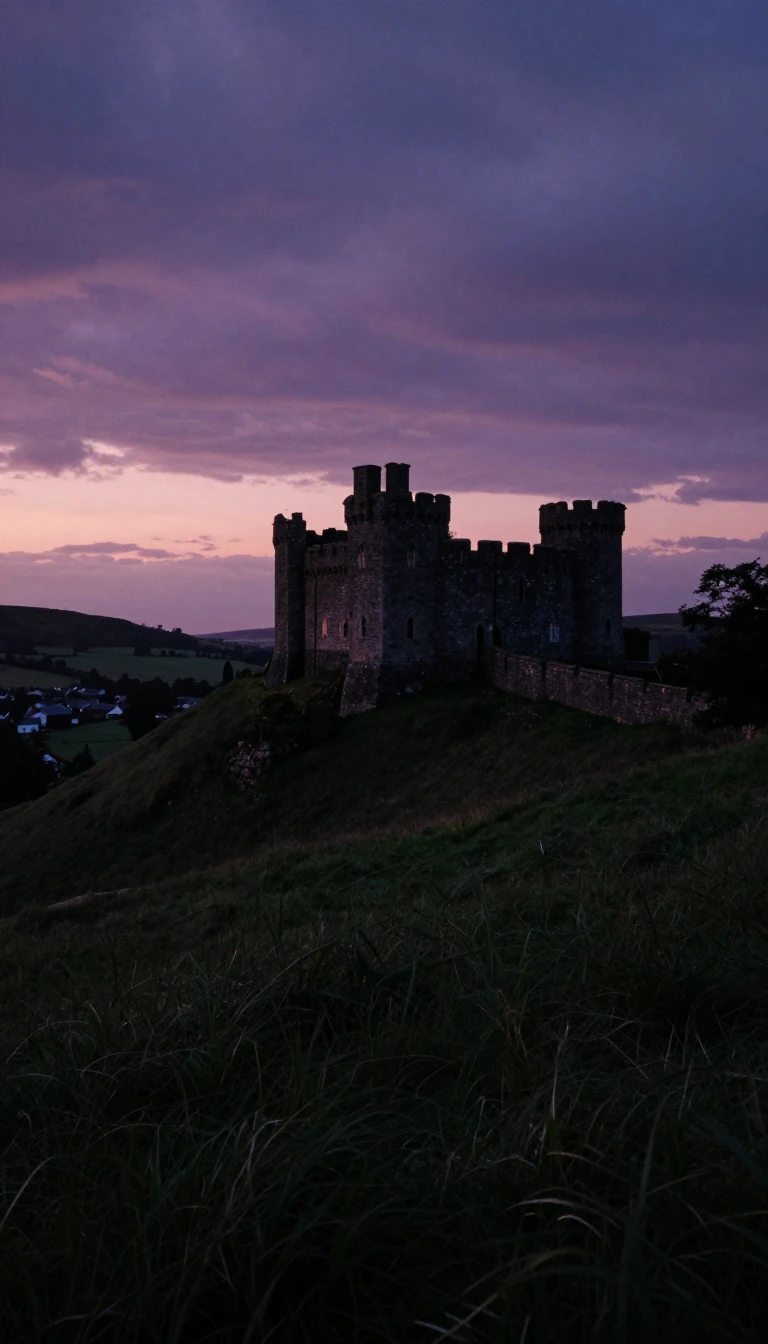
In short: Buda Castle has served as the seat of Hungarian kings, an Ottoman stronghold, and a university. From its medieval origins to its Baroque reconstruction, this UNESCO World Heritage site has endured sieges, fires, and total demolition, evolving into a resilient symbol of Hungarian history perched high above the Danube.
The story of Buda Castle began in 1247 when King Béla IV initiated the first royal residence on Castle Hill. By the 15th century, King Sigismund had transformed it into one of Europe's largest Gothic palaces, a center for the International Gothic style. Later, King Matthias Corvinus turned the site into a Renaissance hub, importing Italian humanists and artists after his 1476 marriage to Beatrice of Naples. These golden years saw the creation of the Bibliotheca Corviniana and monumental bronze statues, though much was lost when the Ottoman Empire occupied Buda in 1541.
Under Ottoman rule, the palace suffered significant decay, serving as barracks and storage. Its fate was sealed during the 1686 siege by the Holy League, when a single cannon shot fired by a friar named Gábor ignited a gunpowder store in Stephen's Tower, causing a massive explosion. By 1715, the ruins were so severe that King Charles III ordered their demolition. The site was leveled, burying medieval remnants under tons of earth to create a flat terrace for a new, modest Baroque structure.
The palace seen today largely dates to the mid-18th century. Queen Maria Theresa, grateful for Hungarian support during the War of the Austrian Succession, commissioned a grand U-shaped Baroque palace. Construction began on 13 May 1749, guided by architects Jean Nicolas Jadot and Nicolò Pacassi. Though intended as a royal residence, the building was repurposed as a university in 1777, complete with an observatory tower. It later became the home of the Habsburg Palatines before facing further destruction during World War II, eventually being rebuilt in a simplified Baroque style during the communist era.
Opens the Intellect+ feed with this card first. Swipe up for the next one.
Sources
- Summary by Intellect · source: Buda Castle
- Also: Wikidata — Buda Castle · CC0
- Also: Wikidata — Buda Castle Quarter · CC0
To cite this card, link to https://intellectplus.co.uk/app/places-buda-castle.
How we source, check and correct cards: Editorial standards.
General information, not professional advice. Spotted an error? Flag the card or see corrections and complaints.
Intellect Plus is a visual educational discovery platform for exploring fascinating facts and ideas. Brain Food, Not Brain Rot. What is Intellect Plus?
Related
More in World Heritage Sites · More in Countries & Cities · Latest · A–Z · All topics
