How a cluster of medieval ruins and altars became a global cultural treasure
In short: Spanning centuries of architectural evolution, this UNESCO World Heritage Site connects a massive 12th-century fortress with the refined artistry of Levoča. From the world's tallest Gothic wooden altar to the grim Cage of Shame, these Slovakian monuments offer a rare, preserved window into the political and religious life of the Middle Ages.
The site, recognized by UNESCO, centers on the ruins of Spiš Castle, which served as the administrative and cultural heart of Szepes county starting in the 12th century. Originally a Romanesque stone fortification, the site underwent massive expansions through the 13th and 14th centuries, eventually doubling in size. By the 15th century, the castle was completely rebuilt, and the Szapolyai family later transformed the upper sections into a comfortable Renaissance-style residence. Despite its grandeur, a fire in 1780 left the structure in ruins, though extensive archaeological work and partial reconstruction in the 20th century have preserved its legacy.
Beyond the castle, the site encompasses the historic town of Levoča, protected by 2.5 kilometers of medieval walls. The town is home to the Basilica of St. James, which houses the world's highest Gothic wooden altar, standing 18.62 meters tall. Crafted by Master Paul between 1506 and 1517, this masterpiece is a testament to the region's artistic heritage. The town square also features the 17th-century 'Cage of Shame' and houses where Jan Comenius once published his famous work, Orbis Pictus.
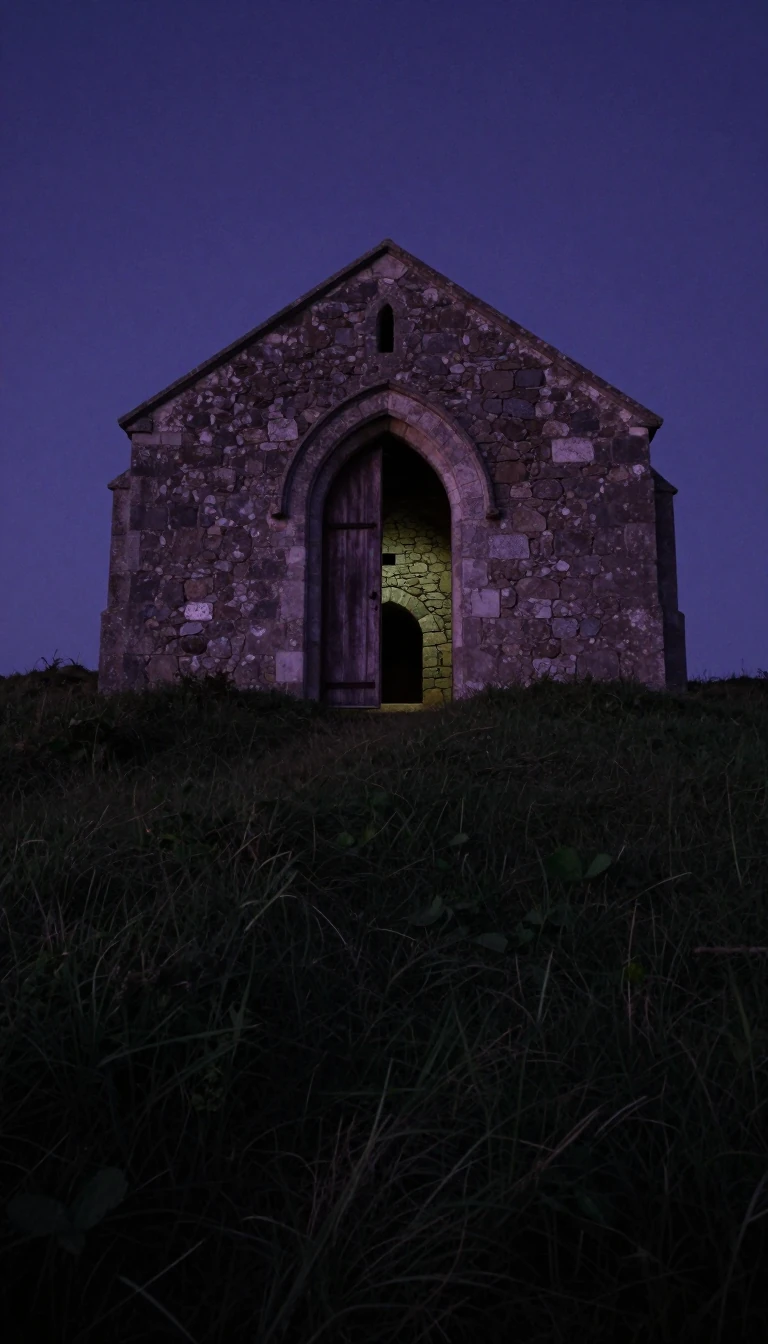
The ecclesiastical town of Spišská Kapitula provides a distinct contrast, featuring the Cathedral of St. Martin, built between 1245 and 1273. This site, enclosed by walls constructed from 1662 to 1665, remains a significant Romanesque monument, housing wall paintings from 1317 that depict the coronation of King Charles Robert of Anjou. Nearby, the Church of Holy Spirit at Žehra, dating to 1274, completes this complex ensemble. Together, these locations illustrate the intricate interplay between military power, religious devotion, and the rise of merchant nobility in Central Europe.
Opens the Intellect+ feed with this card first. Swipe up for the next one.
Sources
- Summary by Intellect · source: Levoča, Spiš Castle and the associated cultural monuments
To cite this card, link to https://intellectplus.co.uk/app/places-levo-a-spi-castle-and-the-associated-cultural-monuments.
How we source, check and correct cards: Editorial standards.
General information, not professional advice. Spotted an error? Flag the card or see corrections and complaints.
Intellect Plus is a visual educational discovery platform for exploring fascinating facts and ideas. Brain Food, Not Brain Rot. What is Intellect Plus?
Related
More in World Heritage Sites · More in Countries & Cities · Latest · A–Z · All topics
