Bujumbura: The resilient port city navigating a transition from political capital to economic hub
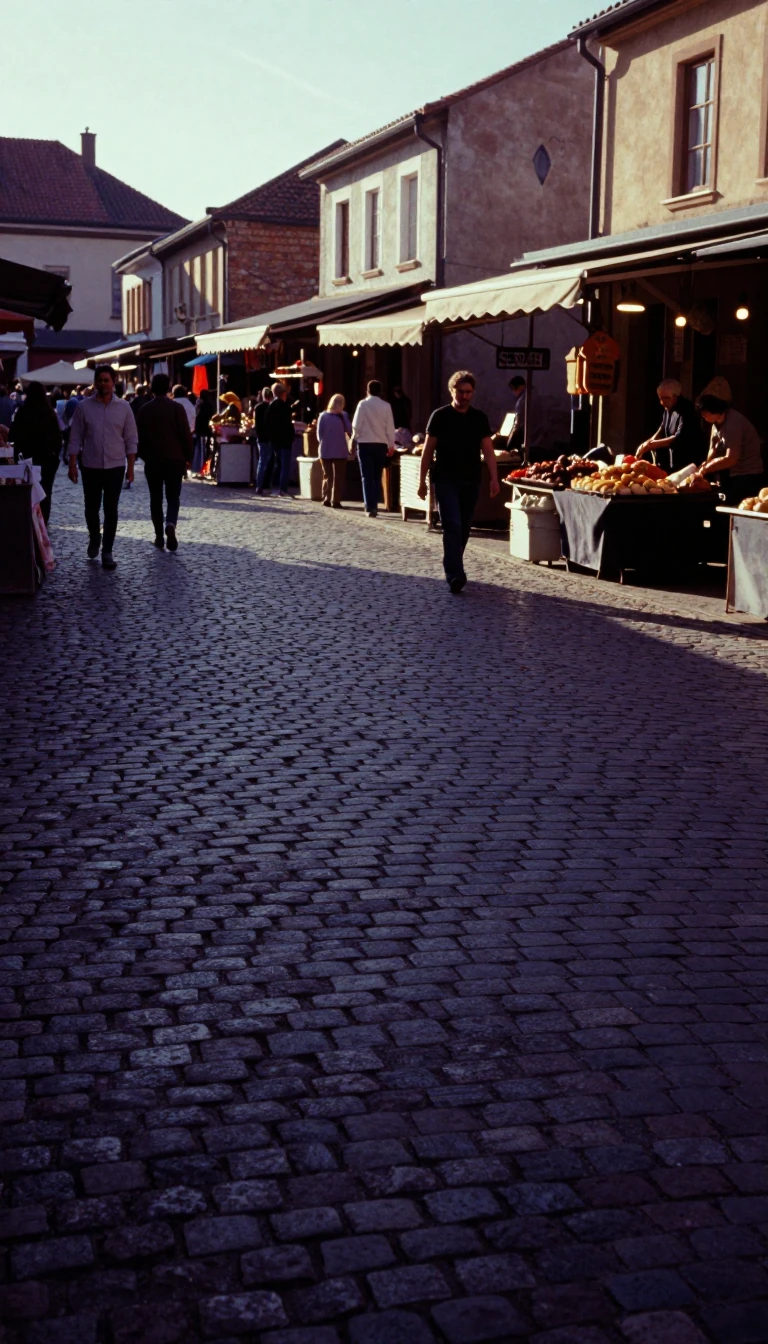
In short: Bujumbura, the largest city in Burundi, sits on the shores of Lake Tanganyika. Once the nation's political heart, it is now undergoing a major transition to become the country's dedicated economic capital. From its colonial origins to its role as a vital trade gateway, the city remains a complex, evolving urban center.
Bujumbura began as a small village before evolving into a military post in 1889 under German East Africa. Following World War I, it served as the administrative center for the Belgian mandate of Ruanda-Urundi. Upon Burundi's independence in 1962, the city was renamed from Usumbura to Bujumbura. Its architectural landscape still reflects this colonial history, with many buildings in the city center showcasing Art Deco and Modernist styles popular in Europe during the early 20th century.
The city's geography is defined by its position on the north-eastern shore of Lake Tanganyika, the world's second-deepest lake, and its location at the mouth of the Ruzizi and several other rivers. This strategic placement supports its role as the nation's primary port. Because Burundi is landlocked, the port is essential for trade; approximately 80% of the country's external commerce relies on routes passing through this hub, connecting to Tanzania, Congo, and Zambia via lake, road, or rail.
Bujumbura has faced significant turbulence, particularly during the civil war in the 1990s, which saw intense fighting between the country's two main ethnic groups. This conflict destroyed critical infrastructure, including schools and the University of Burundi. More recently, the city has navigated a major administrative shift. In 2019, the government officially moved the political capital to Gitega, following a 2007 promise. While the transition process has been lengthy, Bujumbura is now firmly established as the nation's economic capital and center of commerce.
Today, the city remains a hub for education and sport, hosting the University of Burundi and the refurbished Intwari stadium. Despite challenges like the 2013 central market fire, the city continues to function as the primary gateway for Burundi's exports, such as coffee, cotton, and tin ore. Its tropical savanna climate and distinct wet season from October to April provide a consistent environment for its diverse population, which is organized into a complex network of communes and quarters.
Opens the Intellect+ feed with this card first. Swipe up for the next one.
Sources
- Summary by Intellect · source: Bujumbura
- Also: Wikidata — Bujumbura · CC0
To cite this card, link to https://intellectplus.co.uk/app/places-bujumbura.
How we source, check and correct cards: Editorial standards.
General information, not professional advice. Spotted an error? Flag the card or see corrections and complaints.
Intellect Plus is a visual educational discovery platform for exploring fascinating facts and ideas. Brain Food, Not Brain Rot. What is Intellect Plus?
Related
More in Cities · More in Countries & Cities · Latest · A–Z · All topics
