Burmese identity is a complex tapestry of 135 ethnic groups and colonial legacies
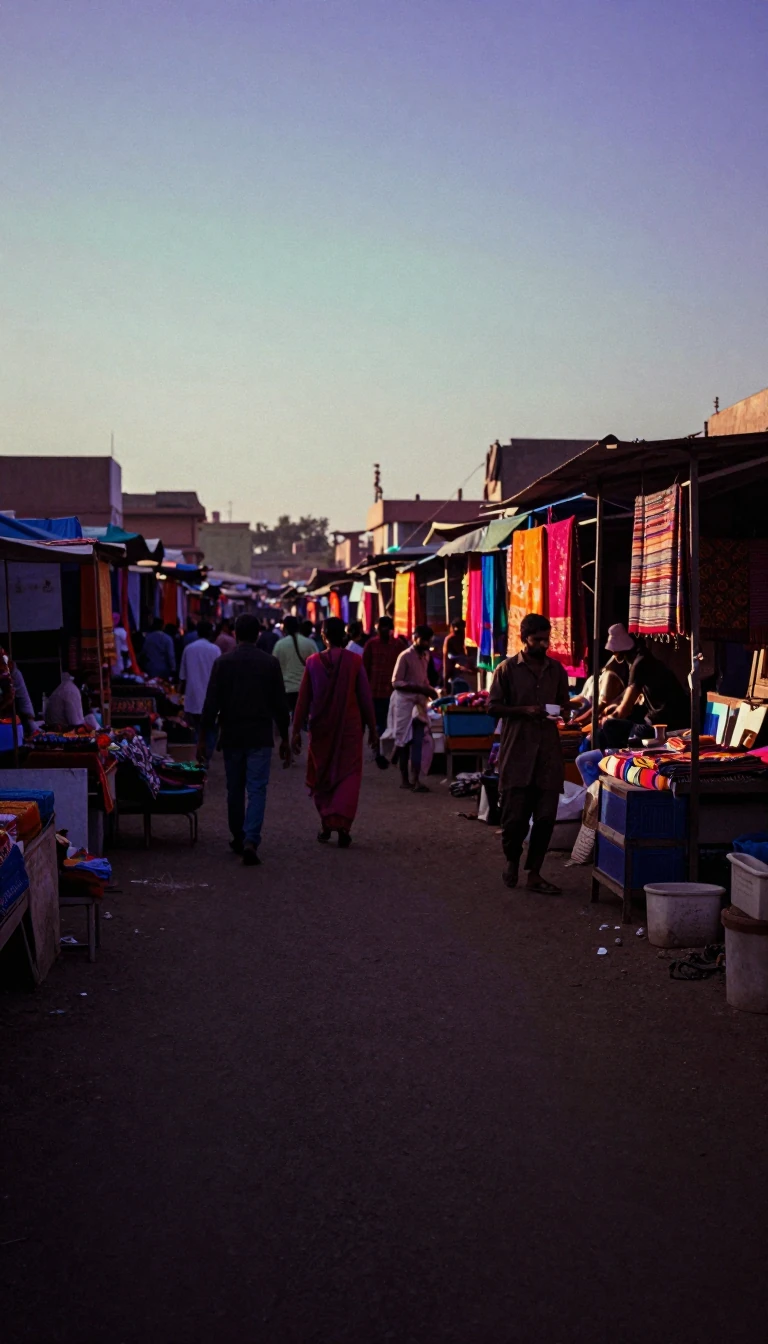
In short: The term Burmese refers to all citizens of Myanmar, yet it is often confused with the Bamar, the country's largest ethnic group. This distinction is more than semantic; it is rooted in a rigid, state-mandated classification system that has shaped the nation's political landscape and fueled a massive global diaspora.
The official definition of Burmese people encompasses all citizens of Myanmar, regardless of their ethnic or religious background. However, the state recognizes 135 distinct ethnic groups, which are organized into eight national races: the Bamar, Shan, Karen, Rakhine, Mon, Kachin, Chin, and Kayah. The Bamar, who comprise approximately 68% of the population, are often conflated with the broader term Burmese. This confusion highlights the tension between the inclusive legal definition of citizenship and the exclusionary nature of the official ethnic framework, which was solidified during the 1980s and further entrenched by military regimes.
This classification system, known as taing-yin-tha, or national race, categorizes groups as original inhabitants who lived in the region before the British annexation of Lower Burma in 1824. Critics argue that these designations are arbitrary colonial legacies that rigidified fluid pre-colonial identities, which were once defined by religion, region, and patron-client relationships rather than rigid ethnicity. Since the 1962 coup, the government has used this framework to link indigenous heritage directly to citizenship rights, effectively creating political and economic divisions that have persisted for decades.
The impact of these divisions, combined with ongoing internal conflict, has triggered significant waves of displacement. By 2021, Myanmar accounted for 1.2 million refugees and asylum seekers, ranking as the world's fifth-largest refugee population. The resulting diaspora is diverse, ranging from unskilled laborers in neighboring Asian countries to professionals and intellectuals who have sought stability in the West. This brain drain has severely hampered Myanmar's economic development, particularly as the exodus of entrepreneurs and investors has stifled the country's emerging startup scene following the 2021 coup.
Opens the Intellect+ feed with this card first. Swipe up for the next one.
Sources
- Summary by Intellect · source: Burmese people
- Also: Wikidata — Burmese people · CC0
- Also: Wikidata — Rohingya people in Pakistan · CC0
To cite this card, link to https://intellectplus.co.uk/app/places-burmese-people.
How we source, check and correct cards: Editorial standards.
General information, not professional advice. Spotted an error? Flag the card or see corrections and complaints.
Intellect Plus is a visual educational discovery platform for exploring fascinating facts and ideas. Brain Food, Not Brain Rot. What is Intellect Plus?
Related
More in Regions and country subdivisions · More in Countries & Cities · Latest · A–Z · All topics
