Byblos: The Ancient Lebanese City That Gave Its Name to the Bible
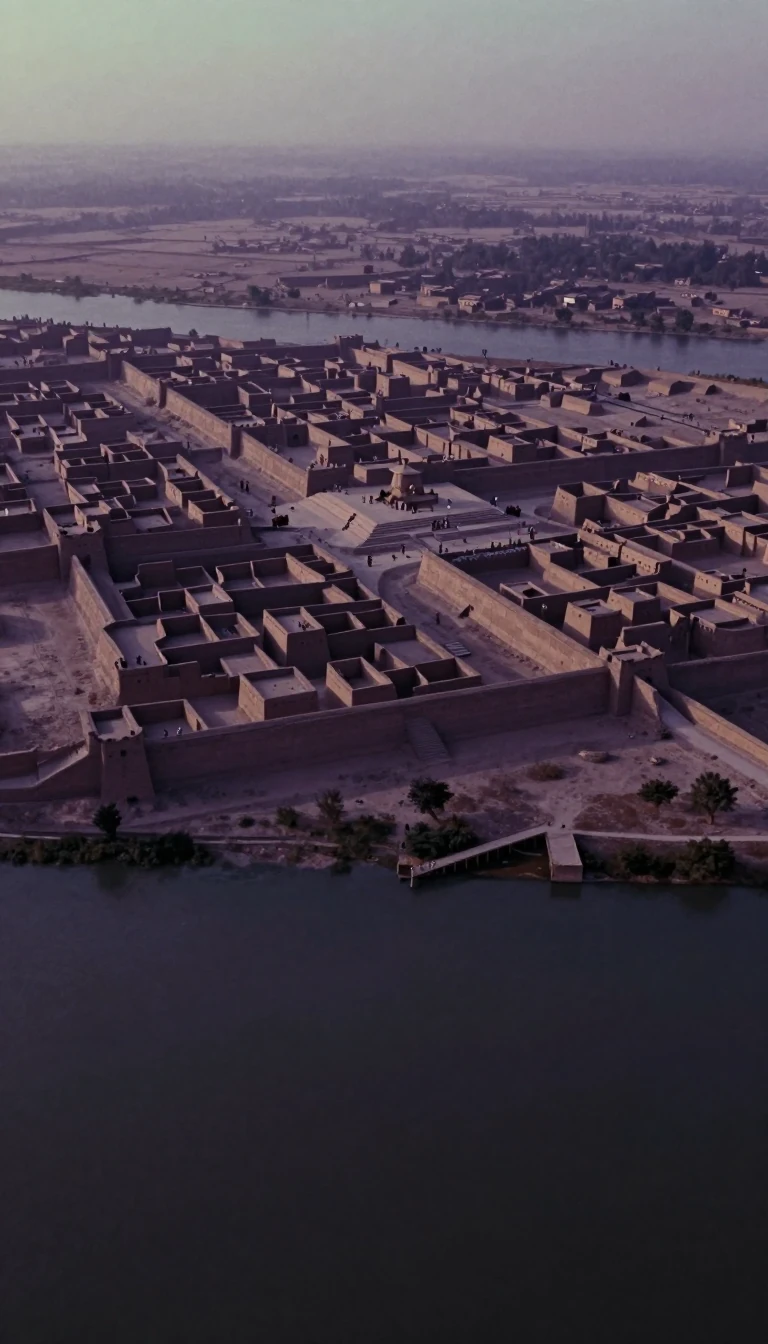
In short: Settled as early as 8800 BC, Byblos is one of the world's oldest continuously inhabited cities. Its deep connection to the Egyptian papyrus trade was so profound that the Greek word for the material became synonymous with the city, eventually evolving into the English word for the Bible itself.
Located 42 km north of Beirut, Byblos has served as a crossroads for countless civilizations, including the Canaanite, Egyptian, Phoenician, and Roman empires. Archaeological excavations, most notably by Maurice Dunand over a forty-year span starting in 1925, have revealed a complex stratigraphy. The site began as a small Neolithic settlement and evolved into a proto-urban town by the third millennium BC, eventually becoming a vital Phoenician maritime hub.
The city’s relationship with Ancient Egypt was particularly transformative. During the Old and Middle Kingdoms, Byblos functioned almost as an Egyptian colony, supplying timber for pharaonic projects. This trade was so essential that early Egyptian shipbuilders used the term 'Byblos ship' for their oceangoing vessels. By the 11th century BC, following the collapse of the New Kingdom, Byblos emerged as the foremost city of Phoenicia, playing a pivotal role in spreading the twenty-two-character Phoenician alphabet across the Mediterranean.
Byblos has endured through centuries of shifting power, from the Assyrian and Persian periods to the Hellenistic era under Alexander the Great. During the Crusades, the city—then known as Gibelet—became a strategic lordship under the Genoese Embriaco family. Today, the town remains a UNESCO World Heritage Site, with its layers of history visible in everything from the ancient Temple of the Obelisks to the medieval fortifications of Byblos Castle, which was later restored by the Mamluk leader Baibars.
Opens the Intellect+ feed with this card first. Swipe up for the next one.
Sources
- Summary by Intellect · source: Byblos
- Also: Wikidata — Byblos · CC0
- Also: Wikidata — Byblos · CC0
To cite this card, link to https://intellectplus.co.uk/app/places-byblos.
How we source, check and correct cards: Editorial standards.
General information, not professional advice. Spotted an error? Flag the card or see corrections and complaints.
Intellect Plus is a visual educational discovery platform for exploring fascinating facts and ideas. Brain Food, Not Brain Rot. What is Intellect Plus?
Related
More in World Heritage Sites · More in Countries & Cities · Latest · A–Z · All topics
