The Snake Kingdom: How a Jungle Metropolis Challenged the Maya Superpower of Tikal
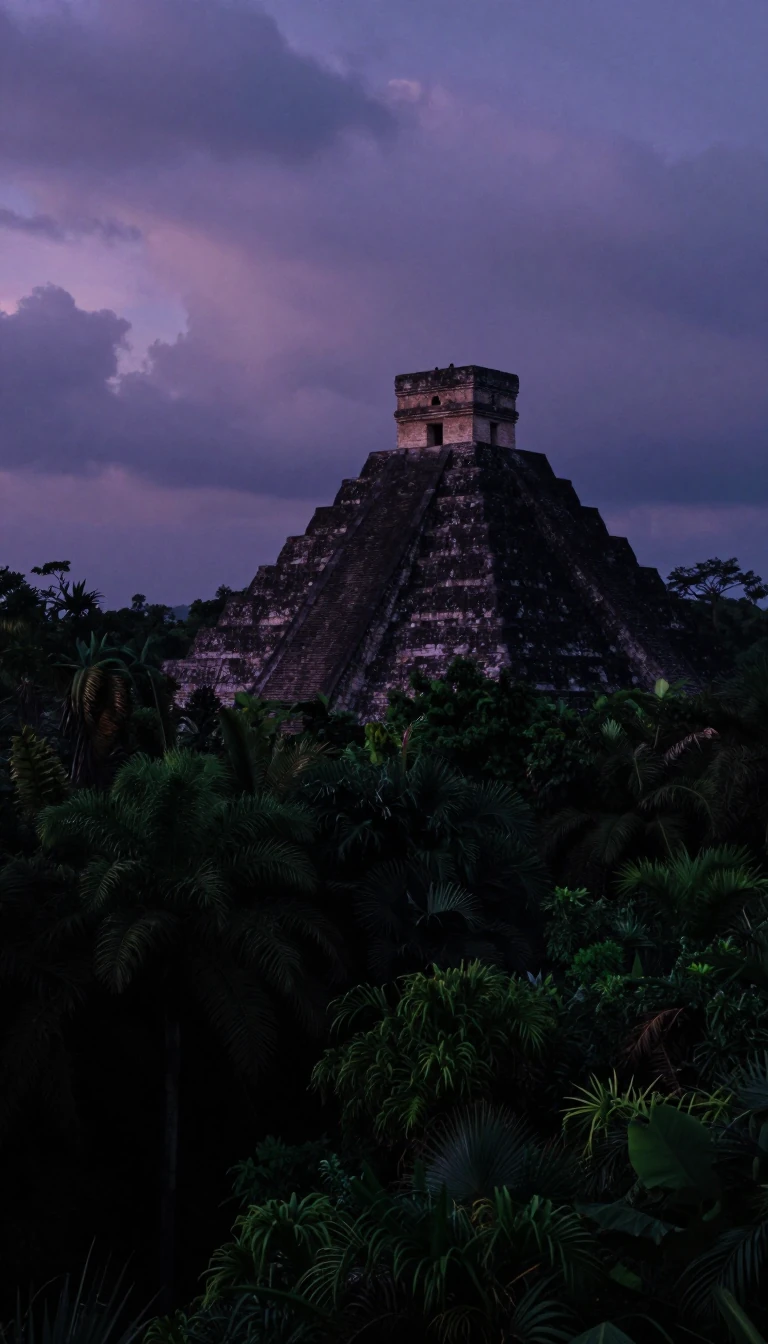
In short: Deep in the Mexican jungle lies Calakmul, a massive ancient city that once commanded a vast empire. Known as the seat of the Snake Kingdom, this urban powerhouse engaged in a centuries-long rivalry with Tikal, shaping the political landscape of the Classic Maya period through strategic alliances and monumental warfare.
Calakmul, located in the modern Mexican state of Campeche, was one of the most powerful cities in the Maya lowlands. At its height during the Late Classic period, the city supported an estimated 50,000 inhabitants within a 70-square-kilometre urban area. The site core, known anciently as Ox Te' Tuun, features 6,750 identified structures, including the massive Structure 2, which rises over 45 metres high. The city was strategically situated on a limestone dome above the El Laberinto bajo, a seasonal marshland that provided essential water and fertile soil.
The city served as the capital of the Kaan, or Snake, Kingdom. While its dynastic origins likely trace back to the Preclassic city of El Mirador, the Kaan dynasty relocated to Calakmul during the Classic period. The polity maintained a sophisticated network of vassal states, with its emblem glyph appearing more frequently in hieroglyphic texts than that of any other Maya city. This dominance was defined by an intense, centuries-long struggle against Tikal. The rivalry was not merely territorial; it reflected distinct ideological differences, with Calakmul’s monuments often highlighting the joint rule of kings and queens, whereas Tikal’s records typically emphasized single male rulers.
The power of Calakmul reached its zenith under Yuknoom Che'en II, who reigned from AD 636 until his death in 686. He expanded the kingdom's influence across the region, overseeing the installation of loyal rulers in cities as distant as 245 kilometres. However, the city's fortunes shifted after a catastrophic defeat by Tikal in AD 695. Following this loss, Calakmul’s political influence waned, and the historical record becomes increasingly fragmented. By the time of the broader Classic Maya collapse, the city's once-mighty population had plummeted, leaving behind a dense forest-covered landscape that was only rediscovered by air in 1931.
Opens the Intellect+ feed with this card first. Swipe up for the next one.
Sources
- Summary by Intellect · source: Calakmul
- Also: Wikidata — Calakmul · CC0
To cite this card, link to https://intellectplus.co.uk/app/places-calakmul.
How we source, check and correct cards: Editorial standards.
General information, not professional advice. Spotted an error? Flag the card or see corrections and complaints.
Intellect Plus is a visual educational discovery platform for exploring fascinating facts and ideas. Brain Food, Not Brain Rot. What is Intellect Plus?
Related
More in World Heritage Sites · More in Countries & Cities · Latest · A–Z · All topics
