The ancient inns that powered global trade across Asia, Africa and Europe for centuries
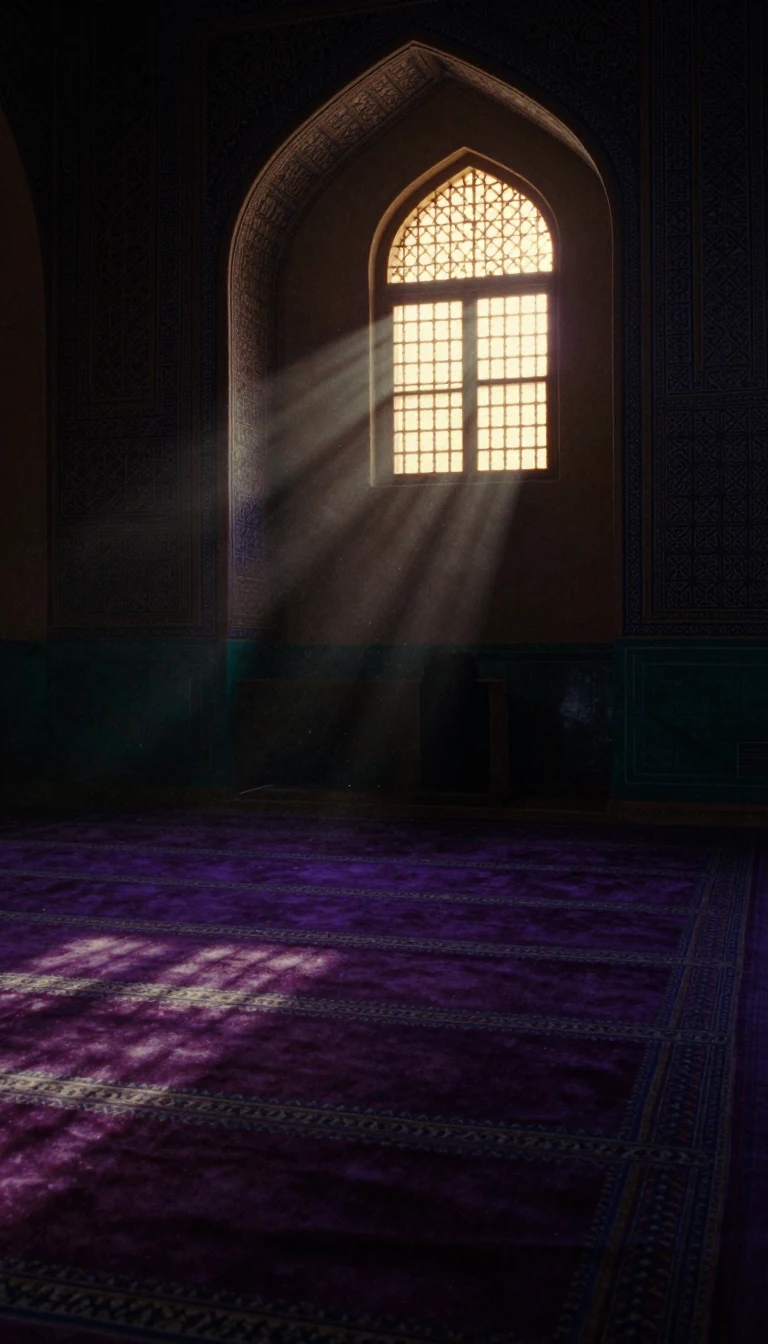
In short: Long before modern hotels, the caravanserai served as the vital heartbeat of the Silk Road. These fortified inns provided safe harbor for merchants, pilgrims, and their pack animals, spaced exactly one day’s journey apart. They were more than just rest stops; they were the essential infrastructure of pre-modern global commerce.
The caravanserai, or 'caravansary,' was a specialized building designed to support long-distance travel. Typically rectangular with a single, secure entrance, these structures featured a central courtyard surrounded by chambers for travelers and stalls for animals. While the term is often used as an umbrella, regional variations like the khan, funduq, and wikala reflect their diverse roles across the Islamic world. In rural areas, they were strategically placed at intervals of 30 to 40 kilometers in open landscapes, or closer in challenging terrain, ensuring a safe day's travel.
Urban versions were equally critical, often situated near bustling bazaars. In cities like Cairo or Aleppo, these buildings functioned as depots, warehouses, and business hubs where foreign merchants could conduct transactions. Some, like the Egyptian wikala, were complex multi-story structures that integrated merchant lodging with low-income rental apartments on upper floors. These urban sites were frequently managed through a waqf, a system of religious endowment that used the building's commercial revenue to fund charitable or religious institutions, such as nearby mosques or public baths.
The historical reach of these inns is immense. Early antecedents appear in 8th or 9th-century BCE Urartian sites, and the Achaemenid Empire utilized similar staging posts along its 2,500-kilometer Royal Road. By the Islamic period, their use intensified, with the oldest identified Islamic example dating to the early 8th century at Qasr al-Hayr al-Sharqi in Syria. Later, dynasties like the Seljuks and Safavids expanded these networks to bolster international trade, creating monumental structures that remain architectural landmarks today. Whether in the deserts of Iran or the heart of Istanbul, the caravanserai was the indispensable engine of a connected world.
Opens the Intellect+ feed with this card first. Swipe up for the next one.
Sources
- Summary by Intellect · source: Caravanserai
- Also: Wikidata — caravanserai · CC0
- Also: Wikidata — Caravanserai · CC0
To cite this card, link to https://intellectplus.co.uk/app/places-caravanserai.
How we source, check and correct cards: Editorial standards.
General information, not professional advice. Spotted an error? Flag the card or see corrections and complaints.
Intellect Plus is a visual educational discovery platform for exploring fascinating facts and ideas. Brain Food, Not Brain Rot. What is Intellect Plus?
Related
More in Cities · More in Countries & Cities · Latest · A–Z · All topics
