Are these stone maidens symbols of ancient slavery or sacred dancers of the gods?
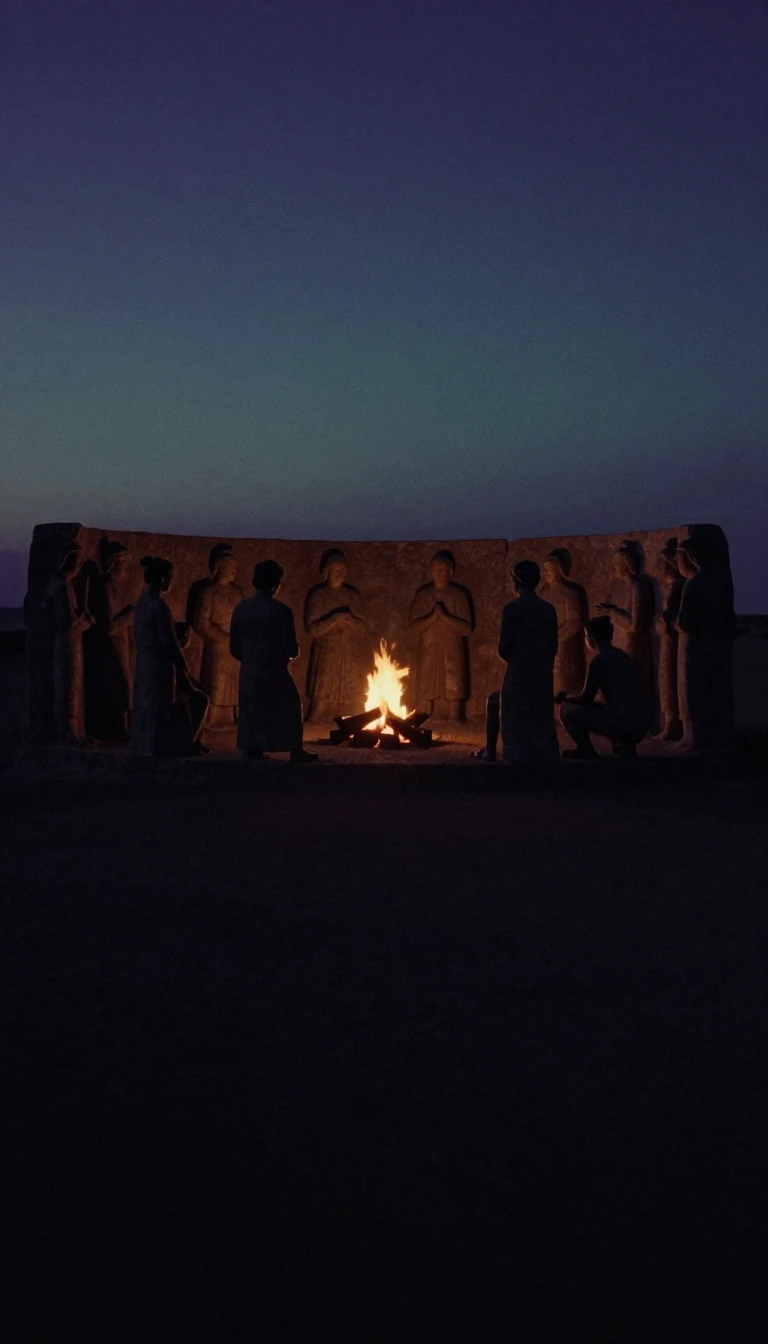
In short: In classical architecture, a caryatid is a draped female figure serving as a structural column. While a famous Roman legend claims they represent enslaved women punished for betrayal, modern scholars suggest a more graceful origin: young priestesses performing sacred dances in honor of the goddess Artemis.
The caryatid—a sculpted female figure replacing a traditional column—first emerged in marble architecture between 550 and 530 BC at Delphi. These figures, sometimes called korai or maidens, trace their artistic lineage back to earlier ivory mirror handles from Phoenicia and bronze-cast figures from archaic Greece. By the 5th century BC, they reached their architectural zenith with the six famous figures of the Erechtheion porch on the Acropolis of Athens, constructed between 420 and 415 BC.
The enduring controversy surrounding their meaning stems from the 1st-century BC writer Vitruvius. He asserted that caryatids depicted the women of Caryae, a town condemned to hard labor for siding with the Persians during the second invasion of Greece in 480 BC. However, this narrative is widely contested. Many historians argue that Vitruvius misinterpreted the term, which likely refers to the 'maidens of Karyai' who participated in ecstatic ring dances around a statue of Artemis. In this view, the figures represent priestesses, not captives.
Structurally, these statues are masterpieces of engineering. The six Erechtheion figures, for instance, utilize intricately carved, bulky hairstyles to reinforce their necks, which would otherwise be the weakest point of the stone support. While the figures appear uniform, each is uniquely carved in stance and expression. Their male counterparts, known as atlantes or telamones, also served as supports, most notably at the Temple of Olympian Zeus in Agrigento. Today, the legacy of the caryatid persists through both its architectural influence and the ongoing international debate regarding the repatriation of the Erechtheion figure currently held in the British Museum.
Opens the Intellect+ feed with this card first. Swipe up for the next one.
Sources
- Summary by Intellect · source: Caryatid | Classical Greek, Columnar Support, Sculptural Form | Britannica
- Also: Caryatid
To cite this card, link to https://intellectplus.co.uk/app/places-caryatid.
How we source, check and correct cards: Editorial standards.
General information, not professional advice. Spotted an error? Flag the card or see corrections and complaints.
Intellect Plus is a visual educational discovery platform for exploring fascinating facts and ideas. Brain Food, Not Brain Rot. What is Intellect Plus?
Related
More in Cities · More in Countries & Cities · Latest · A–Z · All topics
