The Roman catacombs were never secret hiding places for persecuted early Christians.
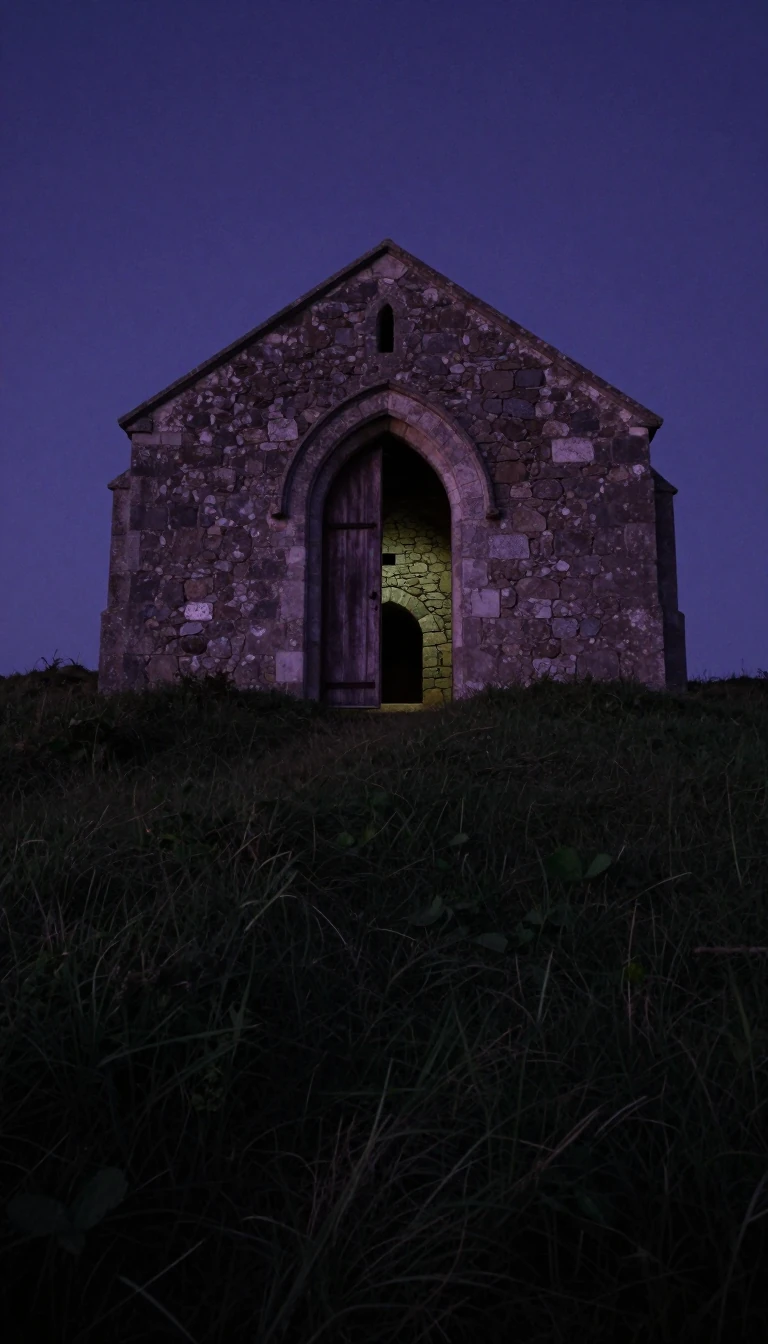
In short: Contrary to popular lore, these vast underground networks were not built for clandestine worship. Instead, they were practical solutions to Roman land shortages and burial bans. Early Christians and their pagan neighbors used these tunnels primarily for memorial meals, honoring the dead in a tradition that spanned centuries.
The catacombs of Rome are a sprawling network of over fifty underground burial sites, containing approximately 150 kilometers of tunnels. While often associated exclusively with Christianity, these sites were used by Jews and various pagan groups as well. The practice began in the 2nd century AD, driven by a Roman law that prohibited burials within city walls and a growing need for space in an increasingly crowded metropolis. These tunnels were carved into 'tufa,' a volcanic rock that is soft enough to excavate but hardens upon exposure to air.
The romanticized idea that Christians used these tunnels as secret refuges during times of persecution has been debunked by researchers. Because the locations of these catacombs were widely known, they would have been ineffective hiding spots. Instead, the larger chambers, or 'cubicula,' were used for funerary meals—a common Roman practice where families gathered to commemorate their dead. While Christians did hold memorial rites and Eucharist near the graves of martyrs, these were not clandestine assemblies but rather public expressions of faith and remembrance.
The architecture of the catacombs reflects a complex social history. Bodies were placed in horizontal niches called 'loculi' or in curved 'arcosolia,' often sealed with slabs bearing the deceased's name and age. By the 4th century, burial had largely replaced the traditional Roman practice of cremation. However, as Christianity became the state religion in 380, the focus shifted toward church cemeteries. By the 10th century, the catacombs were largely abandoned, and many relics were moved to above-ground basilicas, leaving the tunnels to fall into disrepair until their rediscovery in 1578.
Today, the Holy See oversees these sites through the Pontifical Commission of Sacred Archaeology. While there are at least forty known catacombs, only five are currently open to the public, including San Callisto and San Sebastiano. These sites remain vital for understanding Early Christian art, as they house the majority of surviving frescoes and sculptures from before 400 AD, offering a window into the worldviews and socio-economic structures of the early church.
Opens the Intellect+ feed with this card first. Swipe up for the next one.
Sources
- Summary by Intellect · source: Catacombs of Rome
- Also: Wikidata — Catacombs of Rome · CC0
To cite this card, link to https://intellectplus.co.uk/app/places-catacombs-of-rome.
How we source, check and correct cards: Editorial standards.
General information, not professional advice. Spotted an error? Flag the card or see corrections and complaints.
Intellect Plus is a visual educational discovery platform for exploring fascinating facts and ideas. Brain Food, Not Brain Rot. What is Intellect Plus?
Related
More in Countries and other regions · More in Countries & Cities · Latest · A–Z · All topics
