Why medieval churches were built with hidden subterranean chambers beneath their floors
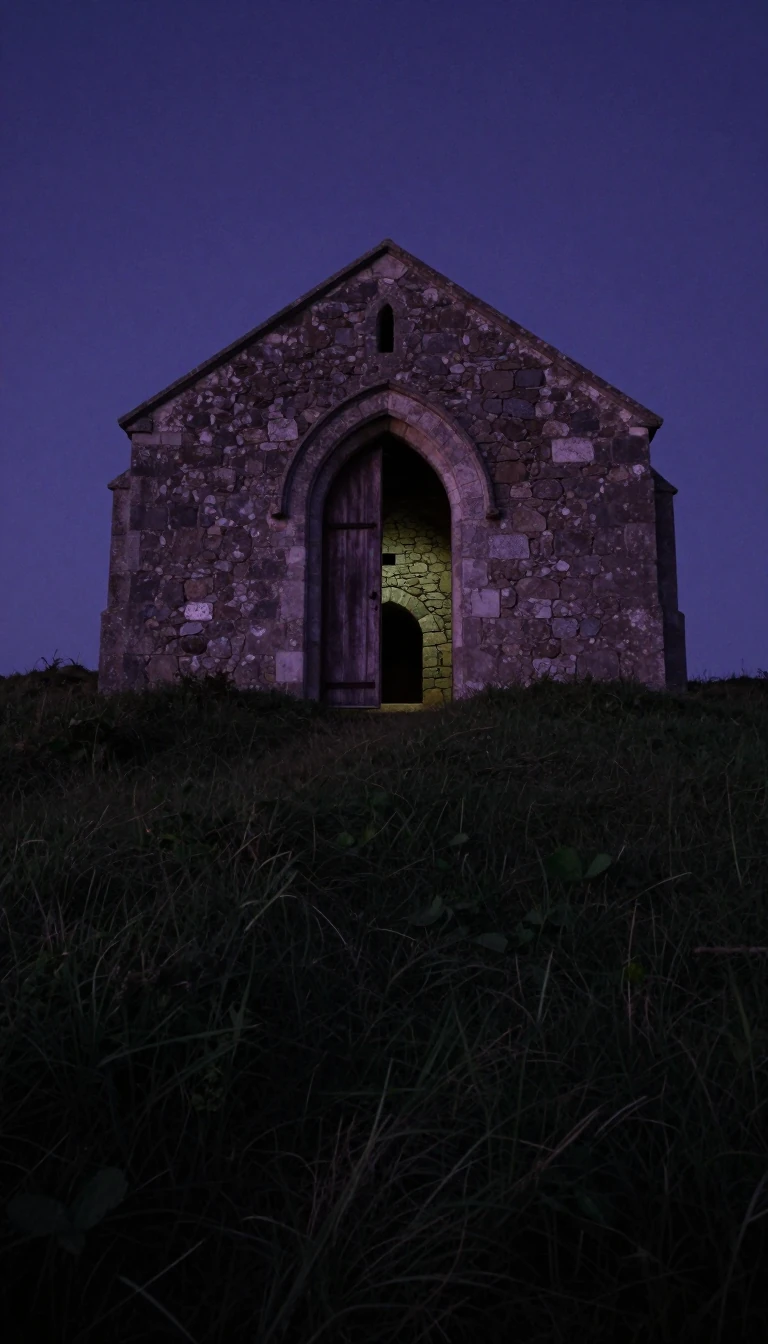
In short: Originally simple storage spaces, crypts evolved into complex architectural features beneath cathedrals. These vaulted chambers served as sacred burial sites for saints and martyrs, eventually transforming into elaborate lower churches. From Roman catacombs to monumental medieval designs, these hidden spaces reveal how church architecture adapted to accommodate the growing veneration of the dead.
The term crypt derives from the Latin crypta, originally describing any vaulted space below ground, such as sewers or storage cellars. Early Christians adopted this term for their catacombs. By the reign of Constantine the Great, between 306 and 337, these subterranean chambers became standard in church design, specifically to house the tombs of martyrs and saints. These spaces, sometimes called confessiones, provided a focal point for religious devotion.
The function of these chambers expanded significantly after the Council of Mainz in 813, which sanctioned the burial of bishops, abbots, and other notable figures within church walls. As demand for burial space grew, crypts expanded to span the entire area beneath the choir or chancel. Architects developed sophisticated layouts, such as the 10th-century crypt at S. Ambrogio in Milan, where raised choir floors allowed the crypt to open directly toward the nave. By the 12th century, these spaces often featured decorative arcaded fronts, as seen in S. Zeno Maggiore in Verona and S. Miniato in Florence.
Beyond ecclesiastical use, crypts appeared in secular architecture, including town halls across Europe, such as the Bremen Rathaus. In England, crypts reached high levels of complexity during the Romanesque and Gothic periods. The crypt at Canterbury, dating to 1100, functions as a large, multi-chapel church and famously served as the initial resting place for Thomas Becket. Even in modern times, the tradition persists; for instance, a major religious landmark in New York City features an intricately designed crypt, proving that the architectural legacy of these subterranean vaults remains relevant in contemporary cathedral construction.
Opens the Intellect+ feed with this card first. Swipe up for the next one.
Sources
- Summary by Intellect · source: Crypt | Architecture, Security & Encryption | Britannica
- Also: Crypt
To cite this card, link to https://intellectplus.co.uk/app/culture-crypt.
How we source, check and correct cards: Editorial standards.
General information, not professional advice. Spotted an error? Flag the card or see corrections and complaints.
Intellect Plus is a visual educational discovery platform for exploring fascinating facts and ideas. Brain Food, Not Brain Rot. What is Intellect Plus?
Related
More in Culture · More in Cultures · Latest · A–Z · All topics
