The skyscraper that was too tall for the government to watch
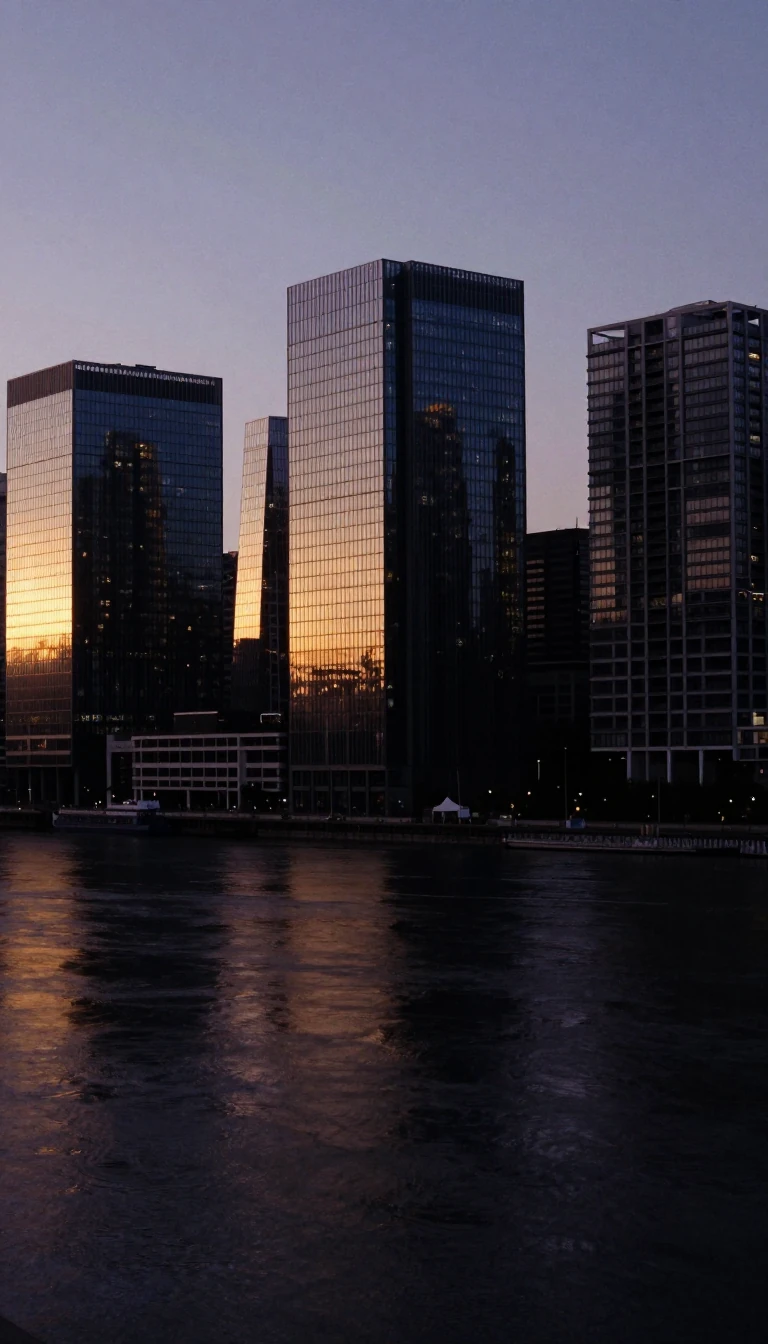
In short: In 2018, Beijing's tallest building faced a unique architectural dilemma: it was so tall that it allowed the public to see the country's most restricted compound. This led to a bizarre state intervention where the top floors were essentially seized for national security.
The CITIC Tower, nicknamed China Zun, stands as a 528-metre (1,732 ft) supertall skyscraper in Beijing's Central Business District. Its design was inspired by the zun, an ancient Chinese wine vessel. Despite housing 300-room hotel suites, 20 levels of posh flats, and 60 stories of offices, the tower's stature sparked major international tension. Because the building is so tall, the entire Zhongnanhai complex—the headquarters of the Chinese Communist Party and the State Council—could be observed with the naked eye on clear days.
The state's security agency seized an observatory on level 108 plus levels 106–107 during April 2018. Authorities cited "fire safety issues" for the rectification of these floors, though the CITIC Group was never permitted to disclose the specific reasons. It is widely reported that these levels will be administered by national security authorities to prevent the use of high-end telescopes or monitoring equipment to observe the daily lives of State Leaders.
The building's prominence is further cemented by a 2018 height cap of 180 metres (590 ft) for new projects in the central business district, a measure intended to reduce urban congestion. This ensures China Zun remains the city's tallest structure for the foreseeable future. However, its status as a landmark is also marked by a 2026 aviation incident where a Sunward SA 60L Aurora aircraft, piloted by a 66-year-old resident, crashed into its upper floors after deviating into a restricted no-fly zone near Zhongnanhai.
The crash, which resulted in one fatality and 13 injuries, was met with immediate and heavy censorship across Chinese social media platforms like Douyin and Weibo. This reinforces the building's role as a site of high-stakes intersection between commercial real estate, architectural ambition, and state secrecy.
Opens the Intellect+ feed with this card first. Swipe up for the next one.
Sources
- Summary by Intellect · source: China Zun
- Also: Wikidata — China Zun · CC0
To cite this card, link to https://intellectplus.co.uk/app/places-china-zun.
How we source, check and correct cards: Editorial standards.
General information, not professional advice. Spotted an error? Flag the card or see corrections and complaints.
Intellect Plus is a visual educational discovery platform for exploring fascinating facts and ideas. Brain Food, Not Brain Rot. What is Intellect Plus?
Related
More in Famous landmarks · More in Countries & Cities · Latest · A–Z · All topics
