Beyond the skyscrapers: the unofficial hierarchy of China's urban giants
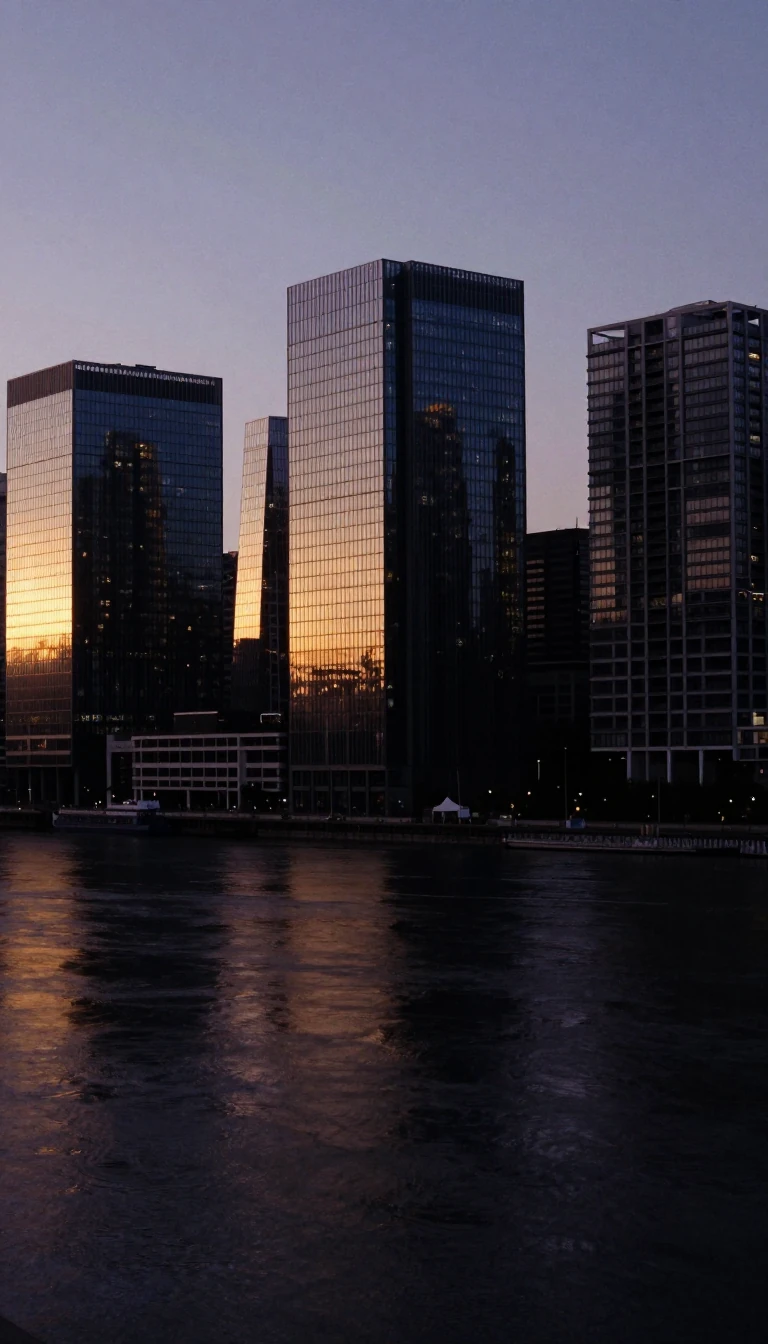
In short: In China, a city's status isn't just about size—it is defined by a complex, unofficial tier system. While Beijing, Shanghai, Guangzhou, and Shenzhen dominate the top tier, a secondary group of rising stars is challenging the established order through innovation and economic potential.
The classification of China's major urban centers into 'tiers' did not originate from government decree, but rather from the real estate market. This unofficial system categorizes cities based on economic competitiveness, industrial development, and commercial concentration. The most prestigious group, known colloquially as 'Bei-Shang-Guang-Shen', comprises the four first-tier cities: Beijing, Shanghai, Guangzhou, and Shenzhen. These metropolises are characterized by high GDP, advanced infrastructure, and significant international business presence, though they also face high living costs and property prices.
The emergence of 'new first-tier cities' has altered the scene since 2013. This category, created by the publication CBN Weekly (currently Yicai), highlights 15 urban centres possessing significant power to rival established leaders. These cities, which include names like Chengdu, Hangzhou, and Chongqing, are often defined by rising investments in technology and startups, as well as lower operational costs compared to the primary tier. The ranking is not static; Yicai updates its list annually using five distinct indices, including the Concentration of Commercial Resources and the New Economy Competitiveness Index.
The economic disparity between these tiers is stark. In 2016, just three cities—Shanghai, Beijing, and Shenzhen—contributed 1.6989 trillion yuan to the central government's fiscal surplus. This represented more than half of the 3.0373 trillion yuan total surplus generated by the six leading provincial-level regions. These funds are critical for the nation's stability, as the central government uses these surpluses for fiscal transfer payments to 25 other provinces and municipalities to balance local budgets. While these rankings drive development, critics argue the system may unfairly favor large, established hubs at the expense of lower-ranked cities.
Opens the Intellect+ feed with this card first. Swipe up for the next one.
Sources
- Summary by Intellect · source: First‑tier city
To cite this card, link to https://intellectplus.co.uk/app/places-first-tier-city.
How we source, check and correct cards: Editorial standards.
General information, not professional advice. Spotted an error? Flag the card or see corrections and complaints.
Intellect Plus is a visual educational discovery platform for exploring fascinating facts and ideas. Brain Food, Not Brain Rot. What is Intellect Plus?
Related
More in China · More in Countries & Cities · Latest · A–Z · All topics
